What Are the First Signs of Bathroom Water Damage That Mean You May Need Water Damage Restoration in McLean VA Right Away?
Summary
Bathroom water damage often starts with subtle signs like peeling paint, stains, musty odors, or loose tiles. These early warnings usually indicate hidden moisture behind walls, under flooring, or around fixtures. If ignored, the damage can quickly spread, leading to mold growth and structural issues. Soft walls, warped floors, or recurring mold spots are strong indicators that the problem is more serious. Even small leaks or unusual increases in water bills can signal hidden plumbing issues. Acting within 24–48 hours is critical to prevent further damage. Homeowners in McLean VA should consider professional restoration as soon as these signs appear to avoid costly repairs and ensure proper drying and moisture control.
–
Introduction
Bathroom water problems often start small. A slow leak under a sink, a cracked caulk line near the tub, or moisture trapped behind tile may not seem urgent at first. But in many homes, these minor issues can quickly turn into structural damage, warped materials, and mold growth if they are ignored. The U.S. EPA notes that controlling moisture is the key to preventing mold, and wet materials should be addressed quickly. If you live in Northern Virginia, acting early is especially important. When bathroom water damage appears, it often spreads behind walls, under flooring, and around vanities before the full problem becomes visible. That is why homeowners who notice early warning signs should not wait too long before considering professional help.
1. Peeling Paint, Bubbling Drywall, or Soft Walls
One of the first visible signs of water damage in a bathroom is a change in the wall surface. Paint may begin to bubble, drywall may swell, and sections of the wall can feel soft when touched. This usually means moisture is getting trapped behind the surface rather than drying out properly.
Bathrooms are especially vulnerable because they combine plumbing lines, frequent humidity, and repeated exposure to water. If the wall near the shower, tub, or toilet starts to look uneven or damaged, the leak may already be more than cosmetic.
2. Stains on Ceilings or Around Baseboards
Brown, yellow, or dark stains are another clear warning sign. In an upstairs bathroom, a leak may show up on the ceiling below. In the bathroom itself, staining near baseboards or around the vanity can suggest water is seeping from supply lines, drain connections, or shower gaps.
These stains matter because they usually indicate repeated moisture exposure, not a one-time splash. Once water gets into drywall, subflooring, or trim, the damage can continue even after the visible surface dries.
3. Musty Odors That Do Not Go Away
A bathroom should not smell damp all the time. Persistent musty odors often point to hidden moisture behind walls, under flooring, or inside cabinetry. The EPA explains that mold can grow where moisture remains, and moldy odors are one sign that a moisture problem may already be developing.
This is one of the most overlooked warning signs because many people assume it is just normal bathroom humidity. In reality, a lingering smell that returns after cleaning or ventilation is a strong reason to inspect the space more closely.
4. Loose Tile, Cracked Grout, or Failing Caulk
Tile surfaces are designed to help protect the bathroom, but they are not waterproof on their own. If grout lines crack, caulk pulls away, or tiles begin to loosen, water may be slipping behind the finished surface. Over time, that hidden moisture can damage the wallboard or subfloor beneath.
This is especially urgent around showers and tubs, where daily water exposure is constant. A few damaged grout lines may not look serious, but they can allow ongoing intrusion that stays hidden for weeks or months.
5. Warped Flooring or Spongy Spots Underfoot
Bathroom floors should feel solid. If the floor begins to cup, lift, or feel soft near the toilet, tub, or vanity, water may have reached the subfloor. This type of damage often means the problem has moved beyond surface moisture and is starting to affect structural materials.
The longer that moisture remains in flooring materials, the more likely it becomes that sections will need to be removed and dried professionally. Industry guidance from the IICRC identifies water damage restoration as a structured process designed to address abnormal water intrusion and proper drying of affected building materials.
6. Mold Spots Around the Bathroom
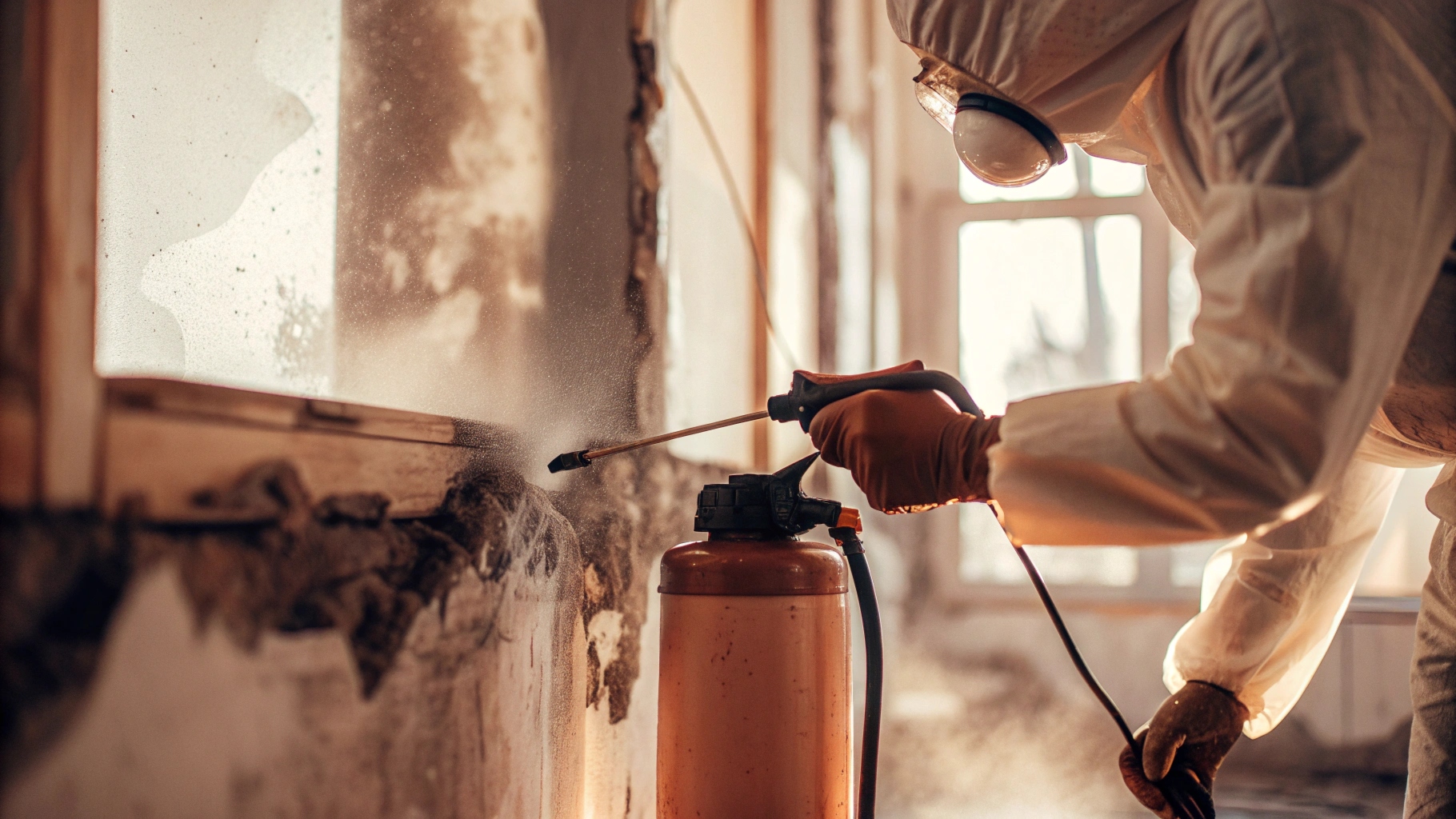
Small dark spots around corners, caulk joints, ceilings, or under the sink should never be ignored. While some surface spotting can be cleaned, recurring mold usually means there is an unresolved moisture source. The EPA advises that moisture control is essential because mold growth follows persistent dampness.
If mold keeps returning after you clean it, that is a sign the underlying issue is not being solved. In those cases, restoration may be needed not just to dry the bathroom but to identify where the water is entering and how far it has spread.
7. Dripping Sounds, Rising Water Bills, or Hidden Plumbing Leaks
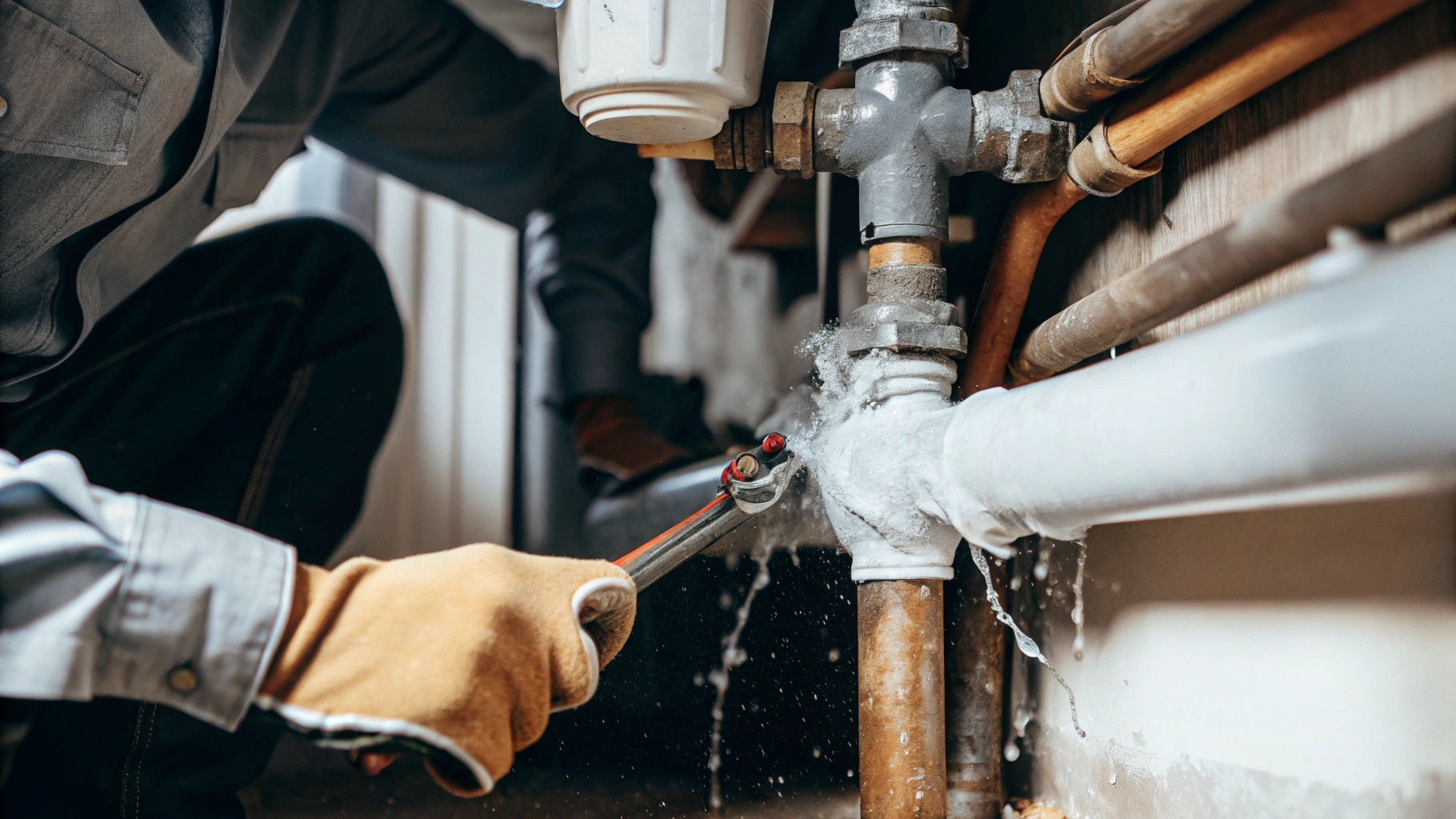
Not all damage begins with something you can see. Sometimes the first clue is a faint dripping sound behind a wall, a toilet that seems to leak at the base, or a water bill that suddenly increases without explanation. The EPA specifically notes that toilet and bathroom areas should be monitored carefully for leaks and that signs of water damage should be investigated quickly.
These hidden leaks are often the most damaging because they continue quietly while materials absorb moisture over time.
When to Call Right Away
You may need immediate professional restoration if:
- the drywall or flooring feels soft
- stains are spreading
- there is a strong musty smell
- mold is visible or keeps coming back
- water has soaked cabinets, trim, or the ceiling below
- the leak has likely been active for more than a day or two
The EPA says wet materials from clean water damage should typically be dried and cleaned within 24 to 48 hours to help prevent mold growth. That timing is why fast action matters. What looks like a small bathroom issue today can become a larger remediation and reconstruction project tomorrow.
Final Thoughts
The earliest warning signs of bathroom water damage are often subtle, but they should never be dismissed. Peeling paint, stains, odors, warped flooring, and mold spots all suggest that moisture may be moving where it should not. In the middle of any smart response plan, Water damage restoration Mclean VA should be considered as soon as the damage appears hidden, widespread, or likely to trigger mold growth.
The best outcome usually comes from acting early. A quick inspection and fast drying response can help protect your bathroom, prevent more expensive repairs, and reduce the risk of long-term moisture issues.
FAQs
Q1. What is the most common first sign of bathroom water damage?
A. Peeling paint, bubbling drywall, and musty odors are among the most common early signs.
Q2. How fast can bathroom water damage lead to mold?
A. Wet materials can begin creating mold risk within 24 to 48 hours if not dried properly.
Q3. Should I call a professional for a small bathroom leak?
A. Yes, especially if the leak is hidden, recurring, or has affected walls, flooring, or cabinetry.