Navigating Long-Term Support: Home Care Services vs. Home Health Care in Virginia
Summary
Choosing the right long-term care for a loved one in Virginia can be a complex decision for families. This article clarifies the distinctions between home care services, which provide non-medical assistance with daily living, and home health care, which offers skilled medical support under a doctor’s supervision. Understanding these differences is crucial for selecting the most appropriate and beneficial support system that aligns with an individual’s specific needs, ensuring comfort, safety, and well-being within their own home environment.
_
Introduction
When a loved one requires long-term support, families in Virginia often face the challenge of understanding the various care options available. The desire to keep family members comfortable and independent in their own homes is strong, leading many to explore in-home assistance. However, the terms “home care” and “home health care” are frequently used interchangeably, causing confusion about the type of services each provides.
To make an informed decision, it is essential to distinguish between these two distinct categories of support. Many families in Virginia seek reliable home care services Virginia offers, which primarily focus on non-medical assistance, while others require more specialized medical attention that falls under home health care. Knowing the differences ensures that individuals receive the precise level of care necessary for their unique circumstances.
Understanding Home Care Services
Home care services are designed to provide non-medical assistance with daily activities, helping individuals maintain their independence and quality of life within the comfort of their own homes. These services are often referred to as personal care, companion care, or custodial care. The focus is on support that does not require a medical license.
Benefits of Home Care
The primary benefit of home care is the ability for individuals to age in place, surrounded by their memories and personal belongings. This continuity of environment can significantly contribute to emotional well-being and reduce the stress often associated with moving to an assisted living facility. It fosters a sense of independence and dignity.
When Home Care is the Right Choice
Home care is typically the ideal choice for individuals who need assistance with activities of daily living but do not require skilled medical care. This includes seniors who are generally healthy but need help with mobility, household chores, or personal grooming. It is also suitable for those recovering from an injury or illness who are past the acute medical phase and need support to regain full independence.
Understanding Home Health Care
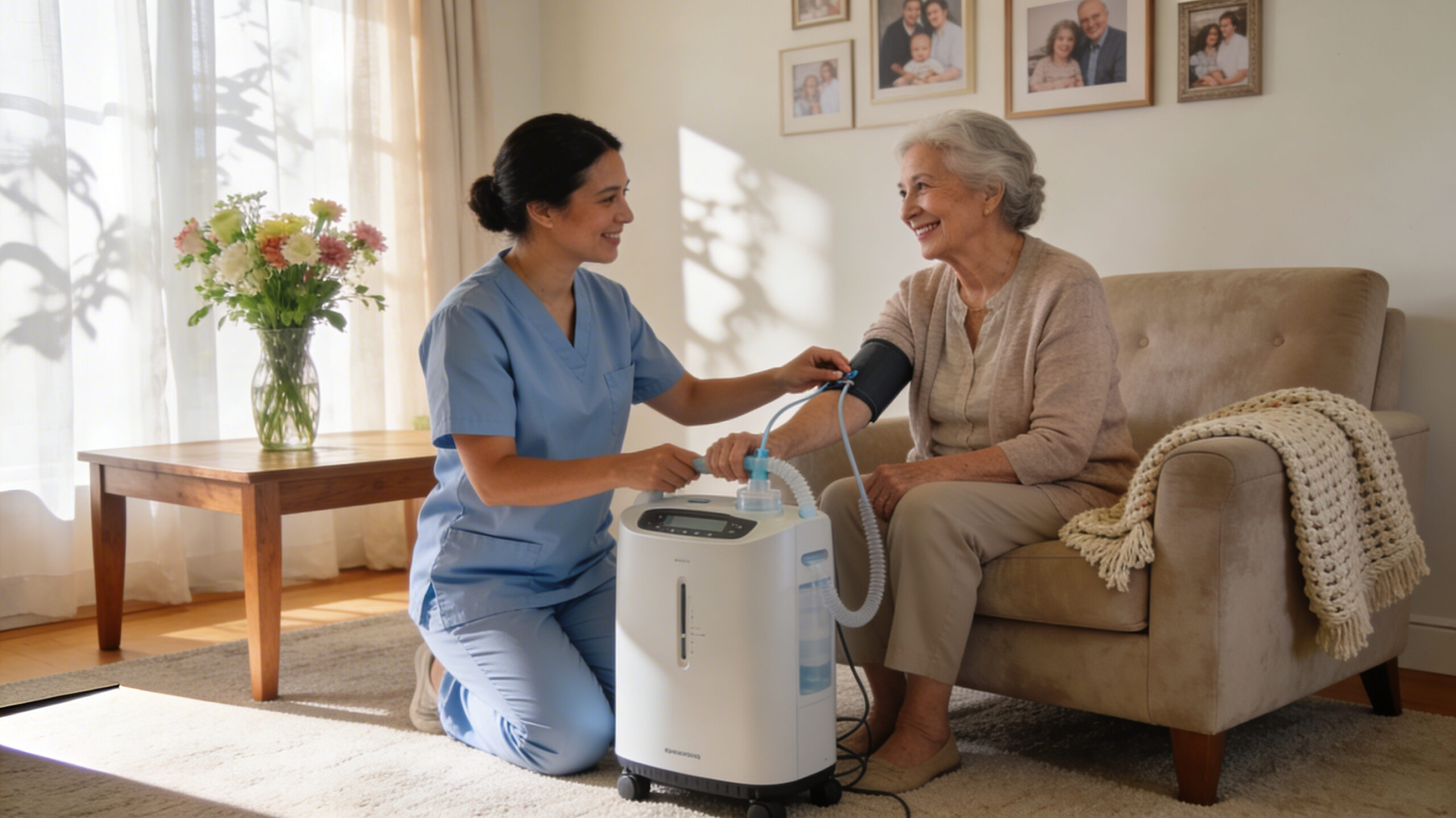
In contrast to home care, home health care provides skilled medical services administered by licensed professionals in a person’s home. These services are prescribed by a doctor and are part of a comprehensive treatment plan designed to help individuals recover from illness, manage chronic conditions, or rehabilitate after an injury or surgery.
When Home Health Care is Essential
Home health care is essential when an individual has a medical need that requires professional clinical oversight. This often occurs after a hospital stay, following surgery, or when managing a complex chronic disease like diabetes or heart failure. It is also crucial for those who need rehabilitation services to regain strength and independence after a medical event.
This type of care is always physician-ordered and involves a team of healthcare professionals working together to achieve specific medical goals. It provides a higher level of medical intervention and monitoring than home care services, ensuring that medical conditions are managed effectively and that patients progress towards recovery in a familiar setting.
Conclusion
Families should engage in open discussions with healthcare providers and assess the individual’s current health status, functional abilities, and future care requirements. Ultimately, making the right choice often involves a professional assessment of the individual’s needs.
If medical oversight, skilled nursing, or therapeutic services are required, exploring options for home health care in Virginia will be the appropriate next step to ensure comprehensive and medically supervised support. The goal is always to provide the highest quality of life and care, tailored to the unique circumstances of each family member, allowing them to thrive in their home environment.