


Living Costs for International Students in China
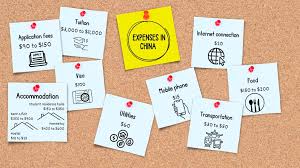
Studying abroad is an exciting step for any student. China has quickly become a top destination for international education, offering world-class universities and rich cultural experiences. If you are planning to study there, understanding your financial commitments is essential.
Planning a budget requires knowing exactly what you will spend on a daily, monthly, and yearly basis. From university tuition to daily meals and transportation, expenses can add up quickly. Fortunately, living in this country can be quite affordable compared to Western alternatives.
This guide will break down the actual living costs for international students staying in China. You will learn about tuition fees, daily expenses, and practical ways to save money. By the end of this post, you will have a clear picture of how much money you need to live comfortably while pursuing your degree.
Securing an MBBS scholarship in China
Many international students travel to China to study medicine. Earning a medical degree is a huge financial commitment, but securing an MBBS scholarship in China can significantly lower your overall costs. The Chinese government, provincial governments, and individual universities offer various financial aid programs to attract talented international students.
These scholarships often cover full or partial tuition fees. Some even provide a monthly stipend to help with your everyday living costs. Applying early and maintaining high academic grades will boost your chances of receiving this financial support. With a scholarship in hand, your international student budget in China becomes much easier to manage.
Breaking down the MBBS in China fee structure
Even without a scholarship, studying medicine here is known for being cost-effective. The MBBS in China fee structure is highly competitive when compared to medical universities in the United States or the United Kingdom. On average, tuition fees for a medical degree range from $3,000 to $10,000 per year, depending on the institution.
Top-tier medical universities in China might charge closer to the higher end of that scale. However, they provide excellent facilities and English-taught programs. When calculating your total budget, remember to factor in additional academic expenses like textbooks, medical insurance, and student visa expenses in China, which usually add a few hundred dollars to your yearly total.
Monthly living expenses for international students
Your daily living costs will largely depend on which city you choose to live in. The cost of living in Beijing vs Shanghai is noticeably higher than in smaller, secondary cities like Chengdu or Wuhan.
Affordable housing for students
Accommodation will take up a large portion of your budget. Most international students choose to live on campus. University dormitory costs usually range from $150 to $400 per month. These rooms are convenient, safe, and often include basic utilities like internet and water.
If you prefer more privacy, you can rent an off-campus apartment. A one-bedroom apartment in a major city can cost between $500 and $800 per month. Sharing an apartment with other students is a great way to split the rent and reduce your housing expenses.
Food and groceries
Eating in China can be incredibly cheap if you eat like a local. University canteens offer hearty meals for as little as $2 to $4. If you decide to eat at local street food stalls or small restaurants, a good meal will cost you around $3 to $6.
Buying groceries and cooking at home is another excellent way to save money. Fresh vegetables, rice, and local meats are very affordable. Expect to spend around $150 to $200 a month on food if you mix cooking at home with eating at university cafeterias.
Transportation costs
Public transportation in Chinese cities is highly developed, fast, and cheap. A single subway ride usually costs less than $1, while public buses are even cheaper. Many students spend around $20 to $30 a month on transportation. Getting a bicycle or an electric scooter is also a popular and cost-effective way to get around campus and the local neighborhood.
Helpful tips to save money as a student
Managing your money wisely will make your study abroad experience much more enjoyable. Here are a few practical tips to help you stretch your budget:
- Get a local student ID card: Your student card will give you discounts on train tickets, museum entries, and various tourist attractions.
- Shop at local markets: Buy your fresh produce from local wet markets instead of large, international supermarkets. The prices are much lower.
- Use mobile payment apps: WeChat Pay and Alipay often offer digital coupons, random discounts, and cashback rewards for daily purchases.
- Cook in batches: Prepare your meals in advance. It saves time during busy study weeks and prevents you from spending money on expensive takeout.
Frequently Asked Questions
Is it expensive to live in China as a student?
Living expenses are generally quite affordable. A student can live comfortably on $400 to $800 a month, depending on the city and their personal spending habits.
What is the cost of living in Beijing vs Shanghai?
Beijing and Shanghai are the most expensive cities for students. You should budget at least $800 to $1,000 per month for living expenses if you choose to study in these tier-one cities.
Can international students work part-time in China?
International students on an X1 visa are generally not allowed to work full-time. However, recent regulations allow students to take up part-time jobs or internships off-campus, provided they get permission from their university and local police station.
Final words on your study abroad journey
Studying in China offers an incredible opportunity to receive a high-quality education without accumulating massive debt. By understanding the tuition fees and daily expenses, you can create a realistic financial plan. Whether you secure a scholarship or simply budget carefully, you will find that living and studying here is both an affordable and deeply rewarding experience. Take the time to plan your finances now, so you can focus entirely on your academic success and cultural exploration later.