
Debt Consolidation Loans in India and Other Ways to Manage Debt
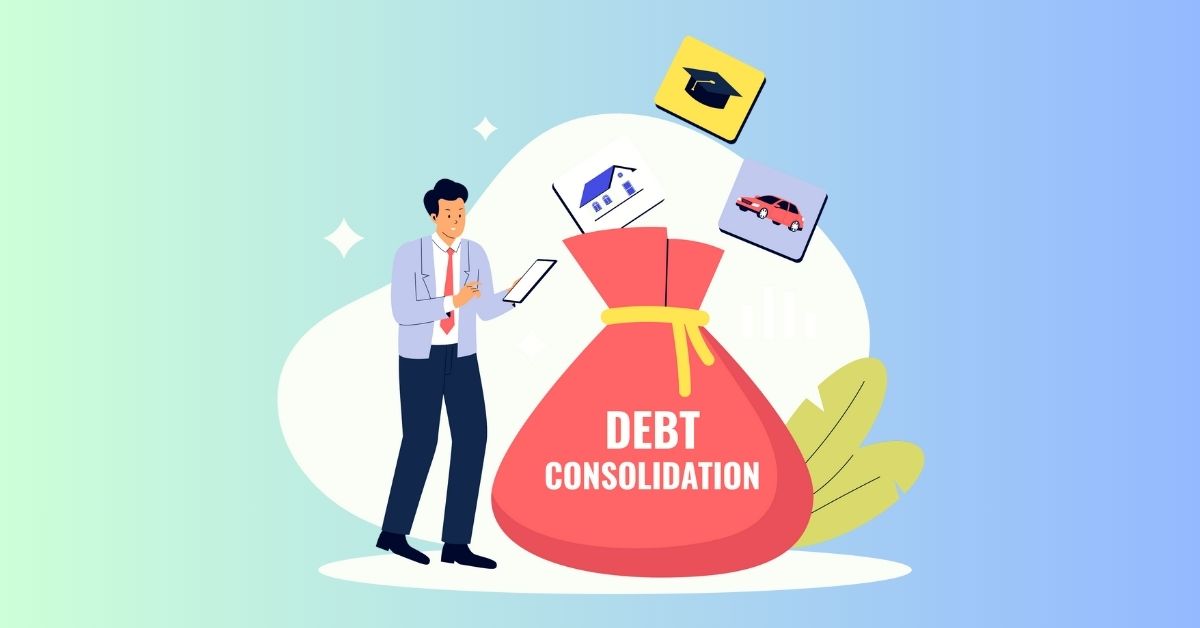
Managing multiple debts at once can quickly become overwhelming. Credit cards, personal loans, BNPL services, and overdrafts can pile up into several monthly EMIs, each with different interest rates and due dates. In India, borrowers often look for structured ways to regain control of their finances. One popular approach is a debt consolidation loan, but it is not the only option available.
This blog explores debt consolidation loans in India vs other debt relief options, helping you understand how each works, their advantages, limitations, and which one may suit your situation best.
What Are Debt Consolidation Loans in India?
A debt consolidation loan is a type of personal loan used to combine multiple existing debts into a single loan. Instead of paying several creditors separately, you take one new loan and use it to repay all outstanding dues.
How it works
- You apply for a new personal loan from a bank or NBFC
- The loan amount is used to close multiple existing debts
- You repay only one EMI to the new lender
- The goal is usually to get a lower interest rate or simpler repayment structure
In India, most debt consolidation loans are offered as personal loans, though some lenders may also provide specialized restructuring options for salaried or self-employed individuals.
Benefits of Debt Consolidation Loans
Debt consolidation loans are popular because they offer simplicity and structure.
1. Single EMI simplifies repayment
Instead of tracking multiple due dates, you only manage one monthly payment.
2. Potentially lower interest rate
If your credit score is good, you may get a lower interest rate compared to credit cards or high-interest personal loans.
3. Improved financial discipline
A fixed repayment schedule helps build consistency and avoids missed payments.
4. Better credit score management
Timely repayment of a consolidated loan can gradually improve your credit profile.
Limitations of Debt Consolidation Loans
While helpful, they are not a universal solution.
1. Requires good credit score
Banks typically offer better rates only to borrowers with strong credit history.
2. Not always cheaper
If your existing loans already have low interest rates, consolidation may not reduce costs.
3. Risk of new debt
If spending habits don’t change, borrowers may accumulate new debt on top of the consolidated loan.
Other Debt Relief Options in India
Debt consolidation is just one of several methods available. Let’s compare it with other common debt relief strategies.
1. Credit Card Balance Transfer
A credit card balance transfer allows you to move outstanding credit card debt to another card offering lower or 0% interest for a limited period.
How it works
- Transfer existing credit card balance to a new card
- Benefit from promotional low or zero interest period
- Pay off the debt within the offer duration
Advantages
- Lower interest for short-term repayment
- Useful for credit card-only debt
Limitations
- High interest after promotional period ends
- Processing fees may apply
- Not suitable for large or long-term debt
Best for
People with high credit card debt who can repay quickly.
2. Debt Settlement
Debt settlement involves negotiating with lenders to pay a reduced lump-sum amount to close the loan.
How it works
- You or a settlement agency negotiates with creditors
- Lenders may agree to accept less than the full amount
- Remaining balance is written off
Advantages
- Reduces total debt burden
- Can provide quick relief in extreme situations
Limitations
- Severely impacts credit score
- May be reported as “settled” on credit report
- Not all lenders agree to settlement
Best for
Borrowers facing severe financial distress or default risk.
3. Loan Restructuring
Loan restructuring modifies the terms of existing loans instead of replacing them.
How it works
- Bank adjusts EMI amount, tenure, or interest rate
- Sometimes offered during financial hardship
Advantages
- Lower EMI burden
- Avoids default and legal action
- No need to take a new loan
Limitations
- Total interest paid may increase due to longer tenure
- Not always available unless you prove hardship
Best for
Borrowers temporarily struggle with repayment but with stable income prospects.
4. Personal Budgeting and DIY Debt Repayment
Sometimes, the simplest solution is better money management rather than new financial products.
Common strategies include:
- Snowball method (pay smallest debts first)
- Avalanche method (pay highest interest debts first)
- Cutting unnecessary expenses
- Increasing income sources
Advantages
- No additional borrowing required
- Improves financial habits
- Reduces long-term dependency on credit
Limitations
- Requires strong discipline
- May take longer to become debt-free
Best for
Individuals with manageable debt levels and stable income.
Debt Consolidation Loans vs Other Options: A Clear Comparison
Let’s break it down simply:
Debt Consolidation Loan
- Best for: Multiple loans, good credit score
- Benefit: Single EMI, possible lower interest
- Risk: Requires approval, may not reduce total cost
Balance Transfer
- Best for: Credit card debt
- Benefit: Temporary low or zero interest
- Risk: Short repayment window
Debt Settlement
- Best for: Severe debt stress
- Benefit: Reduces total repayment amount
- Risk: Damages credit score significantly
Loan Restructuring
- Best for: Temporary financial difficulty
- Benefit: Avoids default
- Risk: Longer repayment period
DIY Repayment
- Best for: Controlled debt situations
- Benefit: No new borrowing
- Risk: Requires discipline and time
Which Option Should You Choose?
There is no single best solution for everyone. The right choice depends on your financial situation.
Choose debt consolidation loans if:
- You have multiple loans or credit card dues
- You qualify for a lower interest rate
- You want simplicity in repayments
Choose balance transfer if:
- Your debt is mainly from credit cards
- You can repay quickly
Choose restructuring if:
- You are facing temporary income issues
- You want to avoid default
Choose settlement only if:
- You are unable to repay at all
- You are already in serious financial distress
Choose DIY repayment if:
- Your debt is manageable
- You want to avoid new loans
Important Tips Before Choosing Any Debt Relief Option
1. Understand total cost, not just EMI
A lower EMI may mean a longer tenure and higher total interest.
2. Check credit score impact
Some options, like settlement, can negatively affect your credit report for years.
3. Avoid taking new debt
Debt consolidation only works if spending habits improve.
4. Compare multiple lenders
Interest rates and processing fees vary widely in India.
Final Thoughts
Debt can feel stressful, but the right strategy can make repayment more structured and manageable. Debt consolidation loans in India are often a practical solution for individuals juggling multiple EMIs, but they are not the only path available.
Other options like balance transfers, restructuring, settlement, and disciplined repayment strategies can also play an important role depending on your financial condition.