Why Locally Delivered Beef from Yamhill, Oregon, is Fresher and More Sustainable
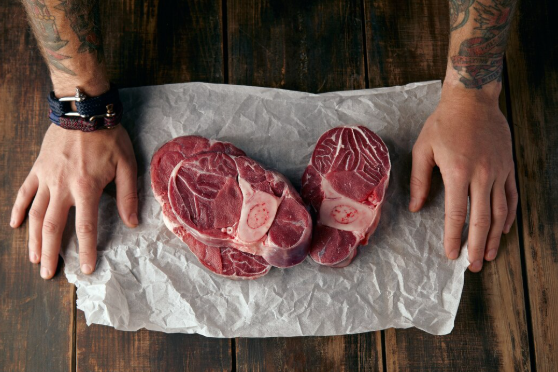
A family plans dinner and wants beef that feels closer to the source. Not just in miles, but in meaning. They want to know who raised it, how it moved, and whether the choice fits the kind of land care they value. That is where local beef delivery starts to matter.
The real appeal is not a romantic label. It is clarity. When beef comes from nearby and moves through a shorter chain, buyers often get more direct information, fewer unknowns, and a stronger sense of what they are actually bringing home. In Yamhill, Oregon, local beef delivery can feel like a more thoughtful option for both freshness and sustainability.
Key Takeaways
- Shorter supply chains can make sourcing easier to understand.
- Freshness is often tied to fewer handoffs and faster movement, not hype.
- Sustainability depends on production practices as much as geography.
- Direct farm-to-table buying can create more trust and better questions.
What Local Beef Delivery Really Means
At its simplest, local beef delivery means beef moving from a nearby producer through a shorter, more direct chain to the customer. USDA research on local food supply chains describes direct market systems as producer-to-consumer models and notes that local supply chains are more likely to give consumers detailed information about where and by whom products were produced.
That detail matters. It changes the buying experience from “pick a label and hope” to “understand the source, then decide.” In very local meat chains, the USDA’s National Agricultural Library says households may buy whole, half, or quarter animals directly, with the producer handling part of the process, and the product typically reaching buyers frozen after cutting orders are placed.
Why Can It Feel Fresher
Freshness is not only about a date. It is also about how many steps sit between raising, processing, packing, and getting beef into a household freezer or refrigerator. Local chains often reduce the number of intermediaries involved, which can mean fewer handoffs and more direct movement from farm to buyer. USDA ERS notes that local food can move through direct to consumer outlets, and some local chains even use home delivery as a primary outlet.
Food safety guidance adds a practical layer. FSIS says fresh beef steaks, chops, and roasts generally keep 3 to 5 days in the refrigerator, which is a reminder that timing matters once beef reaches home. Shorter, better managed delivery flow does not replace safe handling, but it can make a buyer feel more connected to when and how the product arrived.
A direct answer helps here:
Local beef can feel fresher because it often moves through a simpler chain with fewer middle steps, while giving buyers more visibility into where it came from and when it was packed or delivered.
What Makes Sustainability More Real
Sustainability is where many people oversimplify. It is easy to assume nearby always means lower impact, but the fuller answer is more careful than that.
Oklahoma State Extension explains that the environmental benefit of local beef is limited if the only factor being measured is transportation. Much of beef’s greenhouse gas impact happens earlier in the production chain, before harvest. That means the production system matters at least as much as the distance to the customer.
So why can local beef delivery still support a more sustainable choice?
Because geography helps most when it comes with transparency. A nearby farm is often in a better position to explain forage use, pasture access, finishing practices, and how the land is managed. USDA research also notes that local food supply chains are more likely to preserve information about origin and production.
How Does Pasture Fit In
Pasture based production changes the conversation again. USDA’s grass fed small producer program says certified animals must be fed only grass and forage, cannot be fed grain or grain by products, and must have continuous access to pasture during the growing season.
That does not mean every local producer is certified under that program. It does mean buyers who care about environmental practices should ask better questions. Was pasture central to the animal’s life? Was the animal finished on forage? Can the farm explain its system clearly?
That is where local beef delivery becomes more than convenience. It becomes a way to make sourcing visible.
A Better Way To Compare
Use this simple Three Check Filter before buying:
- Chain Length
Was the beef sold directly or through several middle steps? - Production Clarity
Can the farm explain feeding, pasture, and finishing in plain language? - Household Fit
Will the amount and cut actually match how the household cooks and stores food?
This matters because buying better is not just about ideals. It is also about avoiding waste, choosing cuts that will be used, and storing them correctly once they arrive. FSIS storage guidance makes that point practical.
What The Supply Chain Tells You
| Factor | Why It Matters | Good Sign | Common Mistake |
| Delivery path | Fewer steps can mean more visibility | Direct farm-to-consumer model | Assuming every local product moves directly |
| Production details | Helps judge sustainability honestly | Clear answers on pasture and feed | Trusting vague “natural” language |
| Storage timing | Affects the quality once the beef arrives | Prompt refrigeration or freezing | Treating delivery day like extra shelf life |
| Buying format | Shapes waste and value | Bulk or custom options that fit the household | Ordering more than can be used well |
A Useful Shift In Buyer Thinking
Many people start with one question: “Is it local?”
A better question is: “How does this beef move from the ranch to the freezer, and what can the producer tell me about the land behind it?”
That shift is small, but it changes everything. It moves a buyer away from label chasing and toward practical trust. It also fits what USDA research shows about local chains: they tend to preserve more information about origin and producer identity than mainstream systems do.
A Real Pattern Buyers Recognize
A household wants cleaner, more grounded food choices. At first, it buys based on distance alone. After a few orders, the smarter filter appears. Not just where it came from, but how it was raised, how directly it moved, and whether the farm can explain its practices without hiding behind buzzwords.
That is often when local beef delivery starts making more sense. It feels less anonymous. The purchase becomes easier to trust, easier to plan around, and easier to connect back to the land.
One Trend Worth Noticing
USDA ERS reported that the number of beef farms involved in direct-to-consumer marketing grew by 33 percent from 2002 to 2007. That does not prove every nearby option is automatically better, but it does show that direct farm-to-consumer beef has been a meaningful and growing part of how buyers seek closer food relationships.
The Bottom Line
The strongest case for local beef delivery is not that it solves every environmental question. It is that it can shorten the chain, improve transparency, and help buyers ask smarter questions about freshness, handling, pasture, and land care. That is a better standard than relying on broad claims alone.
For buyers in and around Yamhill who want direct-to-consumer, farm-to-table, 100% grassfed and finished premium beef with a local delivery connection, Living The Dream Farm & Ranch, LLC is positioned around exactly that kind of cleaner, more consistent sourcing model.
FAQs
What Makes A Good Local Beef Option?
A good option explains where the beef came from, how it was raised, and how it gets to the customer.
What Are The Best Practices After Delivery?
Refrigerate or freeze promptly, label cuts clearly, and order quantities that fit real meal habits.
How To Compare Nearby Beef Sources?
Check the delivery path, pasture details, feeding approach, and how clearly questions are answered.
Does This Ranch Offer Direct-to-Consumer Service?
Yes. Its brand brief describes the business as direct-to-consumer and farm-to-table.
Can This Ranch Handle Custom Bulk Orders?
Yes. The business offers premium beef and bulk purchase formats are part of its product range and local sales approach.