
What Temperature Is Best for Vaping Different Types of Dry Herbs
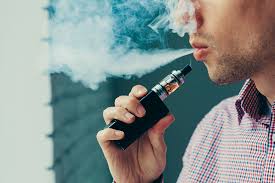
Temperature control is one of the most important factors in getting the best experience from a dry herb vaporizer. The right temperature can completely change your session—bringing out better flavor, smoother vapor, and more efficient extraction. On the other hand, the wrong temperature can lead to weak vapor, harsh hits, or even a burnt taste.
In this guide, we’ll break down the best temperature ranges for different types of dry herbs and explain how to get the most out of your vaporizer in a simple, beginner-friendly way.
Understanding Temperature and Vaporization Basics
Before jumping into specific herbs, it’s important to understand how temperature affects vaporization.
Dry herbs contain different compounds like terpenes and cannabinoids. Each of these compounds vaporizes at different temperatures:
- Low temperatures = better flavor, lighter vapor
- Medium temperatures = balanced flavor and potency
- High temperatures = stronger effects, less flavor
A good device like best smoke vape models helps maintain stable temperature control, which is essential for consistent results across different herb types.
Why Temperature Matters for Different Herbs
Not all herbs are the same. Some are delicate and require lower heat to preserve flavor, while others need higher temperatures for full extraction.
Key factors that affect temperature choice:
- Moisture level of the herb
- Density and structure
- Desired effect (flavor vs strength)
- Device heating method
Understanding these factors helps you fine-tune your vaping experience.
Low Temperature Range (320°F – 350°F / 160°C – 177°C)
This range is ideal for users who prioritize flavor over vapor density.
Best for:
- Mint
- Lavender
- Chamomile
- Lemon balm
What you get:
- Strong natural flavor
- Light, smooth vapor
- Gentle experience
Benefits:
- Preserves delicate terpenes
- Reduces risk of burning
- Ideal for beginners
Tip:
Start your session at this range if you want to experience the pure taste of herbs without harshness.
Medium Temperature Range (350°F – 390°F / 177°C – 199°C)
This is the most commonly used range and offers a balance between flavor and vapor production.
Best for:
- Sage
- Thyme
- Rosemary
- Damiana
What you get:
- Balanced flavor and vapor
- Moderate intensity
- Efficient extraction
Benefits:
- Versatile for most herbs
- Good for daily use
- Smooth but slightly stronger effects
This range is ideal for users who want a consistent and enjoyable experience without going too extreme.
Choosing Quality Devices for Better Temperature Control
Not all vaporizers can maintain accurate temperature settings. That’s why device quality matters.
When exploring vape free shipping deals, make sure you are not just focusing on price. A poorly designed device may fluctuate in temperature, which directly affects herb performance and flavor.
What to look for:
- Precise digital controls
- Stable heating system
- Good airflow design
- Reliable battery performance
A quality device ensures that your selected temperature actually delivers the expected results.
High Temperature Range (390°F – 430°F / 199°C – 221°C)
This range is used for stronger effects and full extraction of active compounds.
Best for:
- Eucalyptus
- Mullein
- Skullcap
- Strong herbal blends
What you get:
- Dense vapor
- Stronger effects
- Less flavor, more intensity
Benefits:
- Maximum extraction efficiency
- Faster results
- Ideal for experienced users
Warning:
High temperatures can reduce flavor and increase harshness if overused.
How Different Herbs React to Heat
Each herb has its own chemical structure, which affects how it responds to heat.
Delicate herbs:
- Require lower temperatures
- Lose flavor quickly at high heat
Dense herbs:
- Need higher temperatures
- Release compounds more slowly
Understanding this helps you avoid wasting material and improves your overall experience.
Using Smart Devices for Better Control
Modern vaporizers now come with advanced features that make temperature management easier and more accurate.
A vape with screen allows you to:
- See exact temperature settings
- Monitor battery life
- Adjust heat in real time
Why this matters:
- Better precision
- More consistent sessions
- Easier customization
This is especially useful when switching between different types of herbs during the same day.
Temperature Progression Method (Best Technique)
One of the best ways to get the most out of your herbs is the temperature progression method.
Steps:
- Start at low temperature (flavor phase)
- Move to medium (balance phase)
- Finish at high temperature (extraction phase)
Benefits:
- Maximizes herb usage
- Enhances flavor experience
- Reduces waste
This method ensures you get the full spectrum of benefits from your dry herbs.
Common Temperature Mistakes to Avoid
Many beginners make simple mistakes that affect vapor quality.
Mistakes include:
- Starting at too high temperature
- Not adjusting during sessions
- Ignoring herb type differences
How to fix them:
- Always start low
- Increase gradually
- Learn each herb’s behavior
Avoiding these mistakes can significantly improve your experience.
Storage and Herb Quality Impact Temperature
Even if your temperature is perfect, poor herb quality can still ruin the session.
Best practices:
- Store herbs in airtight jars
- Keep away from heat and sunlight
- Avoid over-dried material
Fresh herbs respond better to heat and deliver more consistent vapor.
Experimenting for Personal Preference
There is no single “perfect temperature” for everyone. It depends on personal preference.
Things to experiment with:
- Different herb types
- Temperature ranges
- Session duration
- Draw speed
Over time, you’ll discover your ideal settings.
Temperature Guide Summary Table
| Temperature Range | Experience Type | Best Herbs |
|---|---|---|
| 320–350°F | Flavor-focused | Mint, Lavender |
| 350–390°F | Balanced | Rosemary, Sage |
| 390–430°F | Strong effects | Eucalyptus, blends |
FAQs
1. What is the best overall temperature for beginners?
Most beginners start around 350–370°F for balanced flavor and vapor.
2. Why does my herb taste burnt at high temperature?
You may be exceeding optimal vaporization range or using overly dry herbs.
3. Can I change temperature during a session?
Yes, gradually increasing temperature is actually recommended.
4. Do all vaporizers support temperature control?
No, basic models may have preset levels, while advanced ones allow precise adjustments.
5. Does higher temperature mean stronger effects?
Yes, but it also reduces flavor and can increase harshness.
Final Thoughts
Understanding temperature is the key to unlocking the full potential of your dry herb vaporizer. By learning how different herbs respond to heat, you can dramatically improve flavor, smoothness, and overall satisfaction.
Start low, adjust gradually, and experiment with different ranges to find what works best for you. With the right technique and device, every session becomes more enjoyable and efficient.
Mastering temperature control turns a simple vaporizer into a personalized experience tailored exactly to your preferences.