


What Is a Biochemistry Analyser? Functions, Workflow and Key Benefits
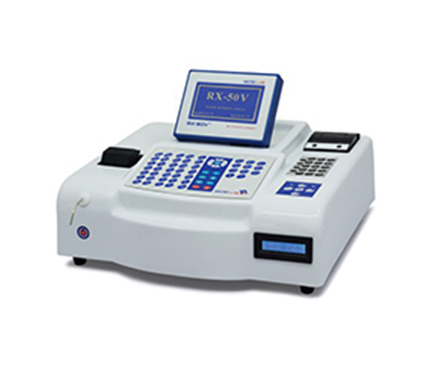
If you have ever wondered how medical labs process test panels so quickly, the answer often sits right on their bench. A biochemistry analyser is one of the most efficient and dependable instruments in clinical diagnostics. It turns raw samples into meaningful data with incredible speed. If you work with patient testing, research samples, or routine chemistry checks, this instrument becomes the heart of your workflow.
You load a sample, add reagents, press start, and the analyser handles everything else. The level of automation surprises many new technicians. Once you understand how it works, you also understand why it has become such a core part of modern laboratory practice.
In this guide, we will break down what a biochemistry analyser actually does, how it fits into your workflow, and why it helps labs achieve accuracy and fast turnaround times without extra effort.
What a Biochemistry Analyser Does in the Lab
A biochemistry analyser measures the concentration of chemical substances in blood, serum, or plasma. These substances include glucose, cholesterol, enzymes, electrolytes, and biomarkers used in diagnosing disease. The analyser uses photometry, electrochemistry, or a combination of both to read reactions and calculate values.
When a sample enters the machine, it mixes with reagents inside small cuvettes. As the reaction occurs, the analyser monitors the change in color or electrical signal. These changes correspond to the amount of analyte present. The system then converts those signals into numerical results that clinicians use to guide decisions.
What makes this instrument so valuable is its precision. Automated pipetting eliminates human error. Built-in calibration keeps measurements stable. Software tracks data and flags unreadable or inconsistent results. The analyser is not just fast. It is reliable enough to support patient care.
Understanding the Workflow Behind the Results
The workflow of a biochemistry analyser is built for efficiency. You load your samples into designated racks. The machine aspirates the exact volume it needs and dispenses it into reaction cuvettes. It then adds reagents based on the assay protocol and initiates the chemical reaction.
Once the reaction begins, sensors measure absorbance or electrical activity at specific wavelengths or intervals. The analyser compares those values to calibration curves and produces your final results.
This automation reduces hands-on time and keeps your lab running smoothly even during peak hours. Trusted companies like NE LabSystems provide analysers that support this entire workflow with dependable hardware and intuitive interfaces.
Why Labs Rely on Biochemistry Analysers
Labs rely on these analysers because they deliver speed without sacrificing accuracy. High-throughput instruments can process dozens of samples within minutes. This fast turnaround is essential for emergency testing, hospital workflows, and outpatient clinics.
Consistency is another key benefit. Every sample is processed under the same controlled conditions, which ensures reproducibility. You reduce variability and strengthen the reliability of your results.
Many modern analysers also offer open systems. This lets you choose from different reagent brands or tailor your testing menu. Flexibility like this matters in research settings where assays change often.
Trusted suppliers like NE LabSystems make it easier for labs to select analysers that match their complexity, test volume, and space constraints. Quality support and calibration services help your equipment perform at its best for years.
Final Thoughts
A biochemistry analyser is more than a diagnostic tool. It is an essential part of a lab’s workflow that supports fast testing, consistent results, and smarter decision-making. When you understand its functions and workflow, you can select the right analyser for your team and use it to its full potential.
If you want dependable performance and accurate chemistry testing, this instrument continues to be one of the smartest investments a lab can make.