What Fabrics Work Best With Dtf Transfers Printing Method?
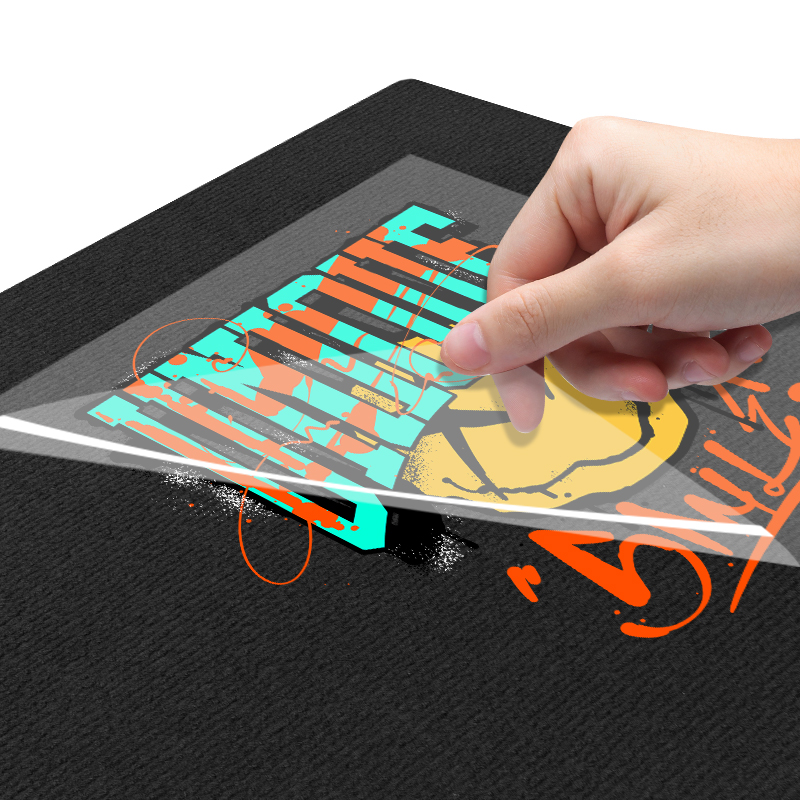
DTF printing continues to grow in apparel manufacturing due to its ability to produce sharp, detailed, and colorful designs on a wide range of textiles. Many printing businesses rely on custom dtf transfers to achieve consistent results across different garment types without complex setup processes. Fabric selection plays a direct role in print durability, color brightness, and wash resistance. Every textile reacts differently to heat, adhesive bonding, and ink layering. Choosing the right fabric helps maintain long-lasting designs and reduces production errors during large-scale printing operations.
How DTF Printing Interacts With Fabric Surfaces
DTF printing works by transferring ink from a film onto fabric using controlled heat and pressure. A powdered adhesive melts during pressing and bonds the printed design to textile fibers. The effectiveness of this process depends on fabric texture, fiber density, and surface coating. Smooth and tightly woven fabrics allow better adhesive spread and stronger bonding. Uneven or coated surfaces can block proper adhesion, resulting in weak prints or reduced clarity after washing. Understanding this interaction helps improve overall print consistency.
Cotton Fabrics for Strong Print Results
Cotton remains one of the most reliable fabrics for DTF printing because of its natural fiber structure and strong absorption properties. It holds adhesive layers effectively, allowing designs to stay sharp and vibrant for long periods. Cotton garments handle heat well during pressing, which supports stable bonding between ink and fabric. This material also performs consistently across multiple washes without significant fading. Apparel such as t-shirts, hoodies, and casual wear benefit greatly from cotton’s balance of comfort and print durability.
Polyester Fabrics and Print Performance
Polyester fabrics deliver excellent results in DTF printing, especially for sportswear and performance clothing. The smooth fiber surface allows sharp color reproduction and precise detail retention. Polyester resists shrinking and maintains structure under heat, which supports stable transfer bonding. Dye-sublimated polyester blends can also produce vivid prints with strong visual appeal. This material is commonly used in athletic uniforms and promotional clothing because it offers durability, lightweight comfort, and long-lasting print clarity under regular use conditions.
Cotton-Poly Blends, Denim, and Canvas Applications
Cotton-poly blends combine softness with durability, making them suitable for everyday apparel production. These blends provide balanced adhesion and reduce fabric shrinkage during heat pressing. Denim offers a thick, textured surface that supports strong bonding, commonly used in jackets and casual fashion items. Canvas fabric provides a rigid and stable base, ideal for tote bags and heavy-duty printed products. Each of these materials maintains good heat resistance, helping designs stay intact through repeated handling and washing cycles.
Fabrics That Create Printing Challenges
Certain fabrics present difficulties in DTF printing due to surface coating, elasticity, or fiber structure. Water-resistant nylon and heavily treated synthetics often resist adhesive bonding, leading to weak or uneven prints. Highly elastic materials may stretch during heat pressing, affecting design alignment and clarity. Lightweight fabrics can also warp under high temperatures, reducing print quality. These limitations make it necessary to test fabric samples before full production to avoid inconsistencies and ensure stable printing performance.
Fabric Weight and Weave Influence
Fabric weight plays an important role in how well DTF transfers bond to the surface. Heavier materials provide stronger support for adhesive layers, resulting in more durable prints. Lighter fabrics require careful temperature control to avoid distortion. Tight weaves allow even ink distribution and sharper design details, while loose weaves may create uneven absorption. Consistent fabric structure improves clarity, especially for fine graphics and text-heavy designs used in branding and promotional apparel.
Heat Sensitivity and Printing Control
Each fabric type responds differently to heat during the transfer process. Cotton and polyester blends generally tolerate moderate heat levels, supporting stable adhesion without damage. Delicate synthetic fabrics may deform or lose texture under excessive heat exposure. Proper temperature management ensures that adhesive activation occurs without weakening fibers. Cooling time after pressing also affects bonding strength, as early handling may reduce durability. Controlled heat application improves both fabric integrity and long-term print performance.
Choosing the Right Fabric for Production Goals
Selecting the right fabric depends on the intended use of the final product. Cotton suits casual wear due to comfort and breathability. Polyester works well for sportswear because of its moisture resistance and durability. Canvas and denim are better suited for heavy-duty or fashion-based applications requiring stronger material structure. Standardizing fabric choices across production batches improves consistency and reduces variation in print quality, helping maintain reliable output for different apparel categories.
Conclusion
Fabric selection plays a critical role in achieving successful DTF printing results across different apparel types. Cotton, polyester, blends, denim, and canvas consistently deliver strong adhesion and vibrant print quality when processed correctly. Understanding fabric behavior, weight, weave, and heat response helps reduce production errors and improves durability. Careful testing and material matching ensure consistent results, supporting long-term performance and customer satisfaction in printed garment production.