

Large-Scale Metal Sculptures: What Businesses and Public Spaces Should Know Before Investing
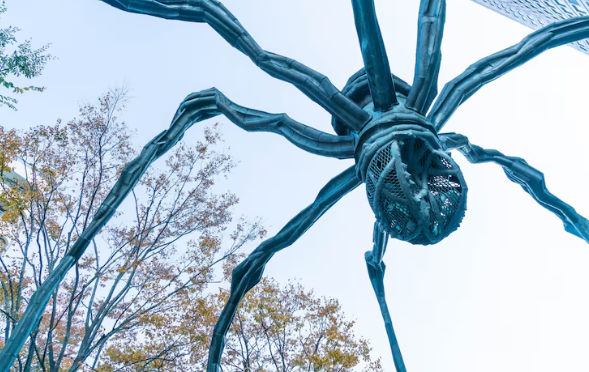
A large sculpture can change the mood of a place before anyone reads a sign or walks through a door. It can slow people down, create memory, and give a space an identity that architecture alone sometimes cannot carry. That is why interest in large-scale metal sculptures keeps growing among businesses, developers, municipalities, and civic spaces that want more than decoration.
Still, scale raises the stakes. A small art purchase can be moved, edited around, or quietly replaced. A major outdoor or architectural piece becomes part of how people experience a property, a campus, a park, or an entrance. That makes the decision more strategic than many first-time buyers expect.
The good news is that the process becomes far more manageable once the right questions are asked early. A strong investment is usually less about chasing spectacle and more about matching artwork to place, purpose, and public experience. The studio materials behind this topic show that successful commissioned work begins with concept, site fit, and collaboration long before fabrication is complete.
Key Takeaways
- The best large pieces are designed for a specific site, not dropped into it.
- Scale, sightlines, and public interaction matter as much as artistic style.
- Installation planning should begin early, not after fabrication.
- Long-term value comes from fit, durability, and emotional impact together.
What Counts As A Large Installation?
In practical terms, large-scale metal sculptures are pieces designed to hold real visual authority in a sizable setting such as a corporate campus, lobby, plaza, trail entrance, park, civic site, or public gathering area. They do not merely occupy empty ground. They shape how the space is read. That often means greater attention to viewing distance, structural planning, circulation paths, weather exposure, and the relationship between the artwork and surrounding architecture or landscape.
This is one reason large commissions deserve a different mindset than smaller decorative purchases. The question is not just “Do we like this?” It is also “What will this do to the place every day?”
Why Are More Organizations Investing?
Part of the answer is cultural value. Part of it is placemaking.
The National Endowment for the Arts reports that 42.8 percent of U.S. adults created or performed art in 2022, up from 31.9 percent in 2017, which suggests a public climate that remains strongly engaged with creative expression. For businesses and public spaces, that matters. Art is not a side note for many audiences. It is part of how people connect with environments, landmarks, and shared spaces.
When a sculpture is thoughtfully chosen, it can support brand identity, community recognition, wayfinding, visitor memory, and emotional tone all at once. That is especially true when the work reflects local history, wildlife, movement, or the function of the site itself.
What Should Be Decided First?
Before style, before subject, before finish, there is one more important question: what job should the piece do?
A useful way to assess large-scale metal sculptures is through a simple three-part filter:
- Purpose
Is the piece meant to welcome, anchor, commemorate, soften, inspire, or tell a story? - Place
Will it live in a windy plaza, a landscaped entry, a formal lobby, a trail pavilion, or a transportation setting? - People
Will viewers pass quickly, gather around it, photograph it, walk beneath it, or see it from a distance?
This filter prevents a common mistake: choosing the subject first and the site second. In reality, site conditions often decide what kind of sculpture will truly work.
How Much Does Site Fit Matter?
It matters more than most buyers expect.
A strong sculpture can feel wrong in the wrong location. A piece that seems powerful in a rendering may look too small in a broad civic plaza. A visually dense work may block sightlines in a transparent lobby. A dramatic form may lose all of its impact if viewers only ever approach it from the least flattering angle. That is why site planning, orientation, circulation, and surrounding materials all need attention before the final concept is approved.
The commissioned works highlighted on the studio site make this easy to understand. A transportation-themed installation at RTD Commuter Rail 112th Station in Northglenn used draft horses, mustangs, and flat steel elements tied to the evolution of transportation, allowing the work to connect directly with place and context. Other public pieces, including “Return” in downtown Clare and “My Great Adventure” at the Rails to Trails pavilion, also show how subject and setting can reinforce one another instead of competing.
Midway Planning Table
| Decision Area | What To Evaluate | Helpful Cue | Common Mistake |
| Site scale | Viewing distance and surrounding architecture | Stand where most people will first see it | Choosing from close-up photos alone |
| Public interaction | Foot traffic, gathering, photos, circulation | Map how people move through the area | Ignoring how the work changes flow |
| Story and subject | Local meaning, brand tone, civic identity | Keep one clear idea at the center | Trying to communicate too much |
| Installation needs | Base, access, weight, transport, anchoring | Plan logistics before fabrication ends | Treating delivery as a final step |
| Longevity | Weather, finish care, maintenance access | Think five years ahead, not opening day only | Assuming outdoor art is maintenance-free |
What Do Buyers Often Overlook?
They often underestimate logistics and overestimate how much can be fixed later.
With large-scale metal sculptures, delivery routes, foundation conditions, installation equipment, and access to the site can affect the project almost as much as the design itself. If these issues are left too late, even a strong concept can become expensive, delayed, or compromised. The commission process described on the studio’s site reflects that reality: inquiry and scheduling come first, then concept and design, then fabrication, and finally delivery or installation planning.
Another common blind spot is maintenance. Outdoor metal work can last for years, but finish condition, drainage, exposure, and cleaning access should always be part of the original discussion.
What Makes A Piece Worth It?
The strongest return rarely comes from size alone. It comes from relevance.
A sculpture earns its place when it feels integrated with the space, emotionally legible to viewers, and durable enough to remain meaningful over time. Businesses may value recognition and distinct identity. Public spaces may value local connection, visual welcome, and long-term civic memory. Designers and developers may value how the work brings energy to a site that would otherwise feel visually unfinished.
In other words, the best investments in large-scale metal sculptures are not random centerpieces. They become part of how a place is remembered.
A Familiar Real World Pattern
Picture a new public-facing development with polished architecture and clean landscape design. Everything looks finished, yet the entrance still feels generic. People pass through it, but they do not connect with it.
Now imagine that same setting with a commissioned sculpture designed specifically for the site. It reflects local character, holds the right scale from the street, photographs well, and gives people a reason to pause. The development has not just gained an object. It has gained a focal point.
That is often the difference between buying art and investing in placemaking.
The Decision That Holds Up Later
The real question with large-scale metal sculptures is not whether a piece will impress on installation day. It is whether it will still feel right years later, after weather, routine use, and changing public attention test the quality of the original decision.
For organizations seeking commissioned work shaped by site, story, and strong craftsmanship, Devil’s Rope Studio LLC creates wire and sheet steel sculptures for municipalities, corporate spaces, architectural settings, collectors, and public installations, with collaborative concept development and guidance on delivery and installation.
FAQs
What makes a good public sculpture investment?
A good investment fits the site, supports the space’s identity, and remains durable and meaningful over time.
How should custom commissions begin?
They should begin with a clear discussion of purpose, location, scale, and how people will encounter the work.
What are the best practices for planning a large installation?
Study sightlines, circulation, weather exposure, delivery access, and anchoring needs before fabrication is finalized.
When should a professional sculptor be hired?
Early in the planning phase, so the artwork can be integrated into the site instead of being added as an afterthought.
Does this studio handle large commissioned services?
Yes. The site states that it creates large-scale commissioned projects and supports clients through concept, fabrication, and delivery or installation planning.