

How to Plan a Ngorongoro Crater Safari for an Unforgettable Adventure
The Ngorongoro Crater stands as a testament to the raw power and enduring beauty of the natural world. Located in northern Tanzania, this massive, unbroken caldera is often referred to as the eighth wonder of the world. It was formed millions of years ago when a giant volcano, estimated to be the height of Mount Kilimanjaro, collapsed in on itself. Today, it serves as a self contained ecosystem that hosts one of the highest concentrations of wildlife in Africa. A Ngorongoro Crater safari offers a unique opportunity to witness the circle of life in a setting that feels frozen in time. The crater floor, spanning roughly 260 square kilometers, is home to over 25,000 large animals, including the endangered black rhinoceros and the densest known population of lions. Visitors descend 600 meters from the lush, forested rim into a world of open grasslands, alkaline lakes, and fever tree forests. This geographical phenomenon provides a dramatic backdrop for photography and wildlife viewing that is unmatched anywhere else on the continent. Beyond the animals, the area is a cultural landmark, as it remains a place where the Maasai people coexist with the wildlife, herding their cattle alongside zebras and wildebeests. For those seeking a professional and analytical look at one of the world’s premier safari destinations, understanding the ecological importance and logistical requirements of a visit is essential. This guide explores the depths of the crater, providing the insights needed to navigate this Tanzanian treasure.
The Geological Marvel and Ecological Significance of the Caldera
The Ngorongoro Conservation Area is a protected site that differs from a national park in its multi use philosophy. It is designed to balance the needs of wildlife conservation with the traditional lifestyle of the Maasai people. At the heart of this area is the Ngorongoro Crater itself. Geologists classify this structure as a caldera, which is a large volcanic crater formed by a major eruption leading to the collapse of the mouth of the volcano. Unlike many other volcanic formations, the walls of Ngorongoro remain largely intact, creating a natural enclosure that discourages some species from ever leaving. This isolation has led to a fascinating micro-environment where genetic diversity is high despite the physical boundaries.
The water sources within the crater, such as Lake Magadi and the Lerai Forest, ensure that life flourishes year round. While the surrounding Serengeti experiences a dramatic dry season that forces millions of animals to migrate, the crater floor remains a permanent residence for many. The presence of perennial springs allows for a stable population of herbivores, which in turn supports a high density of apex predators. For researchers and professional naturalists, the crater serves as a living laboratory for studying predator-prey dynamics in a controlled environment. The sheer volume of animals within such a small area means that sightings are almost guaranteed, making it a high priority for any Ngorongoro Crater safari itinerary.
Wildlife Diversity and the Quest for the Big Five
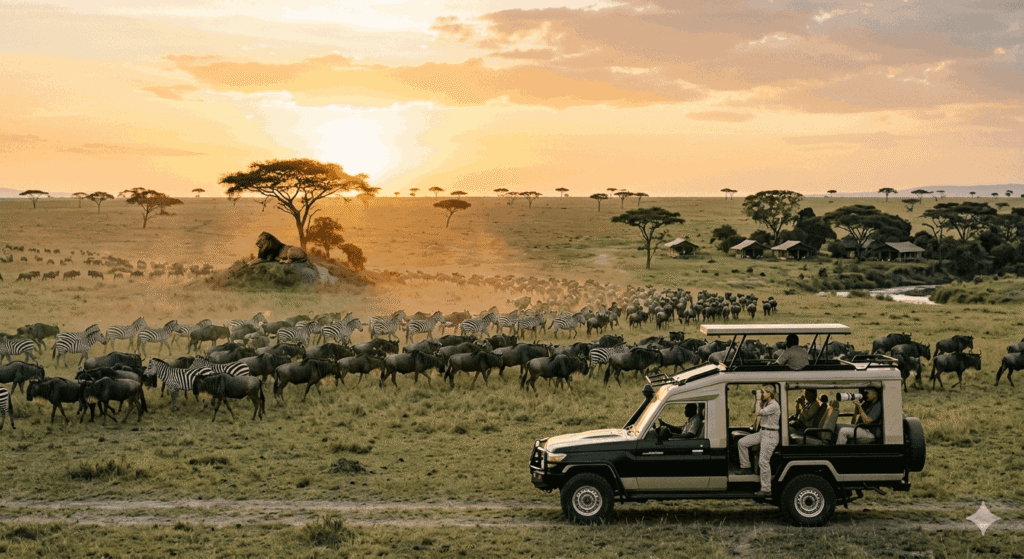
One of the primary draws of a Ngorongoro Crater safari is the high probability of seeing the “Big Five,” which includes the lion, leopard, African elephant, Cape buffalo, and rhinoceros. While leopards are more elusive and typically stay in the forested areas of the rim, the other four are frequently spotted on the crater floor. The black rhino is the most sought after prize for many visitors. Due to intensive conservation efforts, the crater is one of the few places in East Africa where these prehistoric looking creatures can be seen in their natural habitat. Their presence is a victory for Tanzanian wildlife authorities who have worked tirelessly to protect them from poaching.
The lion population in the crater is also of significant interest to biologists. Because the pride members are largely confined to the crater floor, they have developed unique social structures. Visitors often see lions hunting in broad daylight, taking advantage of the lack of cover for their prey. In addition to the Big Five, the crater is home to massive herds of blue wildebeests, Burchell’s zebras, and Thompson’s gazelles. The birdlife is equally impressive, with thousands of lesser flamingos flocking to the soda waters of Lake Magadi. The sight of a pink ribbon of flamingos against the golden grasslands is a highlight for birdwatchers and casual tourists alike. For a professional perspective on the current state of African conservation and wildlife trends, you can explore the latest updates on Google News. Understanding the status of these species adds a layer of depth to the safari experience, transforming it from a simple sightseeing tour into an educational journey.
Optimizing the Logistics of Your Ngorongoro Crater Safari
Planning a trip to this remote corner of the world requires careful consideration of timing, permits, and accommodation. The best time to visit the Ngorongoro Crater depends on what you wish to see. The dry season, from June to October, is generally considered the peak period. During these months, the grass is short, making wildlife spotting much easier, and animals tend to congregate around the remaining water sources. However, this is also when the crater floor is most crowded with safari vehicles. The wet season, occurring from November to May, turns the crater into a lush, green paradise. While some roads can become challenging, the birdwatching is superior, and the landscape is incredibly vibrant for photography.
Professional travelers often seek luxury lodges perched on the crater rim. these establishments offer breathtaking views and easy access to the descent roads. Staying on the rim allows for an early start, which is crucial for beating the crowds and seeing predators when they are most active. It is important to note that the Tanzanian government enforces strict regulations regarding the number of vehicles allowed in the crater and the duration of stay, which is typically limited to six hours per permit. Working with an experienced tour operator is the best way to navigate these rules and ensure a seamless experience. For those looking for high end travel advice and reviews of the best accommodations in the region, Forbes provides excellent resources on luxury travel trends and professional safari planning. A well organized safari not only maximizes viewing time but also respects the delicate balance of the ecosystem.
Cultural Integration and the Maasai Heritage
A Ngorongoro Crater safari is not just about the wildlife; it is also a deep dive into the cultural heritage of the Maasai people. The Maasai have lived in the Ngorongoro Highlands for centuries, and they are the only people permitted to live within the conservation area. Their traditional bomas, or homesteads, dot the landscape outside the crater floor. Visitors often have the opportunity to visit these villages to learn about Maasai customs, beadwork, and their unique relationship with the land. The sight of a Maasai warrior dressed in a bright red shuka, guarding his cattle near a herd of zebras, is a powerful reminder of how humans and nature can coexist.
The management of the Ngorongoro Conservation Area aims to provide a sustainable future for the Maasai while protecting the environment. This involves complex negotiations regarding grazing rights and the distribution of tourism revenue. By visiting the area, tourists contribute to a system that funds education, healthcare, and infrastructure for the local communities. It is vital for visitors to approach these cultural interactions with respect and curiosity, recognizing that the Maasai are the ancestral guardians of this land. Integrating a cultural visit into a wildlife safari provides a holistic view of Tanzania, highlighting the human element that makes this region so special.
Conclusion and Future Perspectives
The Ngorongoro Crater remains one of the most significant natural landmarks on the planet. Its combination of geological grandeur, dense wildlife populations, and vibrant human culture creates an experience that stays with a traveler long after they have left. As we look toward the future, the challenge remains to protect this fragile environment from the pressures of climate change and increased tourism. Responsible travel practices, such as choosing eco friendly lodges and following the instructions of professional guides, are essential for preserving the crater for future generations. A Ngorongoro Crater safari is more than just a vacation; it is an immersion into a world where nature still reigns supreme.
If you are ready to witness the majesty of the African wilderness firsthand, now is the time to start planning your journey. Whether you are an avid photographer, a wildlife enthusiast, or a professional looking for an escape into the wild, the crater offers something for everyone. Book your Ngorongoro Crater safari today and prepare to be awed by the sheer scale and beauty of this volcanic masterpiece. Your adventure in the heart of Tanzania awaits, promising memories that will last a lifetime.