
How to Manage Your Company Liquidation Process
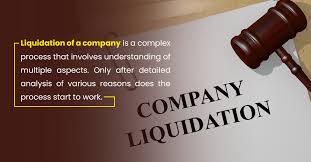
Making the decision to close a business is never easy. After pouring your time, energy, and resources into a venture, shutting the doors can often feel overwhelming. However, formally closing your company is a vital step to protect yourself from future legal and financial liabilities.
When a company reaches the end of its life cycle, walking away without following the proper legal channels is a major mistake. Unpaid debts, active licenses, and unresolved employee contracts can lead to severe penalties. Managing the company closure process correctly ensures you can move on with complete peace of mind.
This guide will walk you through the necessary steps for liquidating a business. You will learn how to handle your remaining assets, settle outstanding debts, and cancel your licenses properly, ensuring a clean break from your corporate responsibilities.
Advice from Top business consultants in Dubai on Liquidation
Closing a company involves much more than just locking the office doors. Experts and top business consultants in Dubai strongly advise business owners to follow a highly structured approach to avoid accumulating fines. When a company is not officially dissolved, government authorities still consider it active. This means renewal fees and administrative penalties will continue to pile up.
A formal UAE company dissolution requires you to appoint an official liquidator. This professional will audit your financials, manage creditor communications, and issue a final liquidation report. By working with experienced professionals, you ensure that every legal requirement is met. They handle the complex paperwork so you can focus on your next steps.
Navigating from Business Setup in Dubai to Final Closure
The journey of an entrepreneur is full of learning experiences. You likely remember the excitement and paperwork involved during your initial business setup in Dubai. The closure process demands that same level of attention to detail. Every registration, visa, and permit that was opened during the setup phase must now be systematically closed.
Essential Corporate Liquidation Steps
To successfully manage your business deregulation, you need to follow a specific sequence of events. While exact procedures vary by jurisdiction, the standard process generally includes:
1. Board Resolution
The shareholders must draft and sign a formal resolution confirming the decision to dissolve the company. This document officially appoints the liquidator.
2. Appointing a Liquidator
You must hire a registered auditing firm to act as the official liquidator. They will take charge of the company’s assets and manage the financial wind-down.
3. Public Announcement
Most jurisdictions require you to publish a notice of liquidation in a local newspaper. This gives creditors a specific timeframe (usually 45 days) to submit any outstanding claims against the company.
4. Clearance Certificates
You will need to obtain clearance letters from various government bodies and utility providers. This includes canceling telecommunication services, settling utility bills, and closing corporate bank accounts.
5. Visa Cancellations
Before you can completely cancel trade license Dubai requirements, you must cancel all employee visas and partner visas associated with the company. Ensure all employee end-of-service benefits are paid in full.
Helpful Tips for a Smooth Company Closure Process
Closing a business takes time, but a few strategic moves can make the process much smoother.
- Communicate early: Speak to your employees, suppliers, and clients as soon as the decision is final. Transparent communication helps preserve your professional reputation.
- Organize your records: Gather all financial statements, contracts, and company documents before starting the process. The liquidator will need immediate access to these records.
- Do not ignore debts: Address your creditors directly. Negotiating a settlement plan is always better than ignoring calls, which can lead to aggressive legal action.
Frequently Asked Questions
How long does it take to liquidate a company?
The timeline depends heavily on the complexity of your business and local regulations. On average, a standard corporate liquidation takes between two to three months. If there are outstanding legal disputes, the process can take much longer.
Can I liquidate my company if I have outstanding debts?
Yes, but the liquidator will use the company’s remaining assets to pay off those debts. If the assets do not cover the liabilities, the resolution will depend on your company’s legal structure (such as Limited Liability).
Do I need a lawyer to close my business?
While a lawyer is not always strictly required, you must appoint a registered liquidator or auditing firm. Legal counsel is highly recommended if your business faces complex creditor disputes or employee claims.
Final Words on Closing Your Business
Ending a business venture is a significant transition, but it does not define your future potential. By managing the liquidation process thoroughly and responsibly, you close this chapter cleanly. Take the time to settle your obligations, properly cancel your licenses, and lean on the expertise of professionals. Doing so protects your financial future and clears the path for your next great entrepreneurial pursuit.