

Goldfish Baked Crackers: The Science Behind Their Perfect Crunch
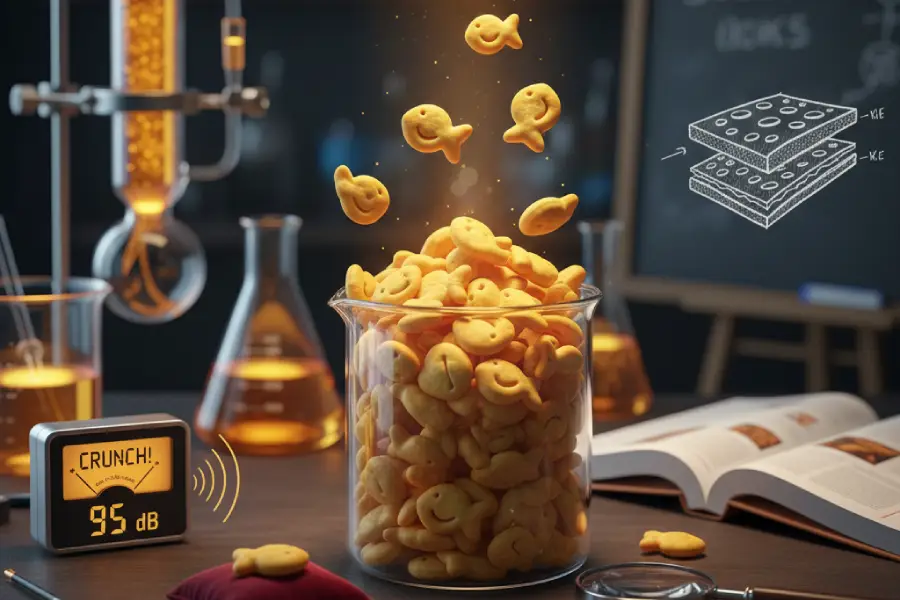
Few snacks manage to be as universally loved as Goldfish baked crackers. Whether you’re grabbing a handful straight from the bag, packing them into a lunchbox, or sprinkling them over soup, one thing stands out immediately: that unmistakable crunch. It’s light but satisfying, crisp without being hard, and somehow consistent from the first bite to the last.
But that perfect crunch isn’t accidental.
Behind every Goldfish baked cracker is a carefully balanced combination of food science, baking techniques, ingredient ratios, and texture engineering. In this article, we’ll take a deep dive into the science behind the crunch—why Goldfish baked crackers feel so good to eat, how baking plays a role, and what makes them different from other snack crackers on the market.
Why Crunch Matters More Than You Think
Crunch isn’t just a texture—it’s an experience. Studies in food science and sensory psychology show that crunch plays a huge role in how people perceive freshness, quality, and satisfaction in snacks.
When you bite into a crunchy snack, your brain processes:
- Sound (the crackle and snap)
- Resistance (how much force it takes to bite)
- Break pattern (clean snap vs. crumbly collapse)
Goldfish baked crackers are designed to hit the sweet spot on all three. The crunch is audible but not aggressive, the bite is light, and the cracker breaks cleanly rather than shattering.
This balance is one of the reasons both kids and adults find them so appealing.
Baking vs. Frying: The Foundation of the Crunch
One of the biggest contributors to the texture of Goldfish baked crackers is right in the name—they’re baked, not fried.
How Baking Affects Texture
Baking removes moisture slowly and evenly, allowing the cracker to:
- Dry out without becoming brittle
- Maintain a uniform internal structure
- Develop crispness without excessive oil
Fried snacks, on the other hand, rely on hot oil to create crunch. While frying can produce intense crispiness, it often results in heavier textures and oilier mouthfeel.
Goldfish baked crackers achieve their crunch by controlling moisture loss, not by saturating the product with fat. This creates a lighter, airier crunch that doesn’t overpower the palate. best Goldfish Strawberry Shortcake Grahams
The Role of Moisture: Dry, But Not Too Dry
Crunch exists in a narrow moisture window. Too much moisture and a cracker becomes soft or chewy. Too little, and it turns hard, dusty, or fragile.
Food scientists refer to this balance as water activity—not just how much water is present, but how it behaves within the food structure.
Goldfish baked crackers are engineered to:
- Retain just enough internal moisture to prevent crumbling
- Eliminate surface moisture for crispness
- Maintain stability during storage
This balance ensures that the crackers stay crunchy in the bag while still feeling pleasant to chew.
Ingredient Ratios and Structural Integrity
Crunch starts at the molecular level, and the ingredient list plays a major role.
Flour and Starch Structure
The wheat flour used in Goldfish baked crackers provides:
- A structured starch network
- Controlled expansion during baking
- A stable base for flavor and texture
When baked, starch granules gelatinize and then firm up as moisture evaporates, forming a rigid but brittle structure—the backbone of crunch.
Fat Distribution
Fat isn’t just about flavor; it influences texture.
In Goldfish baked crackers, fat:
- Coats flour particles, limiting gluten formation
- Creates a tender, crisp bite rather than a tough chew
- Helps deliver a clean snap instead of resistance
The precise balance prevents the cracker from becoming either too flaky or too dense.
Shape Science: Why the Goldfish Shape Matters
The iconic Goldfish shape isn’t just for fun—it plays a surprising role in texture.
Surface Area and Thickness
The small, uniform size of Goldfish baked crackers ensures:
- Even baking throughout each piece
- Consistent moisture removal
- Predictable crunch in every bite
The fins and tail add slight variations in thickness, creating micro-textural differences that enhance the eating experience. Some bites feel lighter, others slightly firmer—all within the same cracker.
This variation keeps the crunch interesting rather than monotonous. Goldfish crackers for kids
Sound and Sensory Feedback
Crunch isn’t just felt—it’s heard.
When you bite into a Goldfish baked cracker, the sound waves created by the fracture travel through your jaw and inner ear. Research shows that louder, higher-frequency crunch sounds are associated with perceived freshness.
Goldfish baked crackers are tuned to produce:
- A crisp snap rather than a dull thud
- Clean breakage without excessive crumbling
- Consistent auditory feedback
This sensory reinforcement is one reason the crackers feel so satisfying, even in small portions.
Consistency at Scale: The Manufacturing Challenge
Creating one crunchy cracker is easy. Creating millions of identical crunchy crackers is not.
Goldfish baked crackers require:
- Precise dough mixing to ensure uniform hydration
- Exact baking times and temperatures
- Tight quality control to prevent variation
Even small changes in oven humidity or dough thickness can affect crunch. Maintaining consistency across batches is a major scientific and engineering achievement—and one that consumers often take for granted.
Shelf Stability and Crunch Longevity
A crunchy snack isn’t useful if it goes stale quickly.
Goldfish baked crackers are designed for long-lasting crunch, thanks to:
- Controlled water activity
- Packaging that limits moisture exposure
- Structural stability that resists softening
This allows the crackers to remain crunchy from the factory to your pantry, even after the bag has been opened (assuming it’s resealed properly).
Why the Crunch Appeals to All Ages
The texture of Goldfish baked crackers is intentionally inclusive.
For kids:
- Easy to bite and chew
- Not overly hard or sharp
- Fun shape enhances engagement
For adults:
- Light crunch without heaviness
- Clean flavor release
- Satisfying texture without being greasy
This universality is rare in snack foods and helps explain why Goldfish crackers cross generational boundaries so easily.
Crunch and Flavor Release
Texture affects taste more than most people realize.
As a Goldfish baked cracker breaks apart:
- Flavor compounds are released gradually
- Cheese notes bloom as the cracker fractures
- The crunch slows consumption, enhancing enjoyment
The structure ensures that flavor doesn’t hit all at once but unfolds with each bite, making the snack feel more complex than its simple appearance suggests.
The Psychology of “Just One More”
Ever noticed how hard it is to stop at one Goldfish cracker?
That’s partly due to crunch-driven satiety. The repetitive, satisfying fracture:
- Engages multiple senses
- Provides immediate reward
- Encourages rhythmic eating
The crackers are small, but each crunch feels complete—leading to that familiar “just one more” moment.
Crunch Done Right
Goldfish baked crackers aren’t crunchy by accident. Their texture is the result of:
- Thoughtful ingredient selection
- Controlled baking science
- Shape engineering
- Moisture management
- Sensory psychology
Every element works together to create a crunch that’s light, consistent, and deeply satisfying. It’s a reminder that even simple snacks are often the product of complex science—and that great texture can be just as important as great flavor.
So the next time you hear that familiar snap, you’ll know: there’s real science behind that perfect crunch.