

Common Problems with uPVC Door Knobs and How to Fix Them
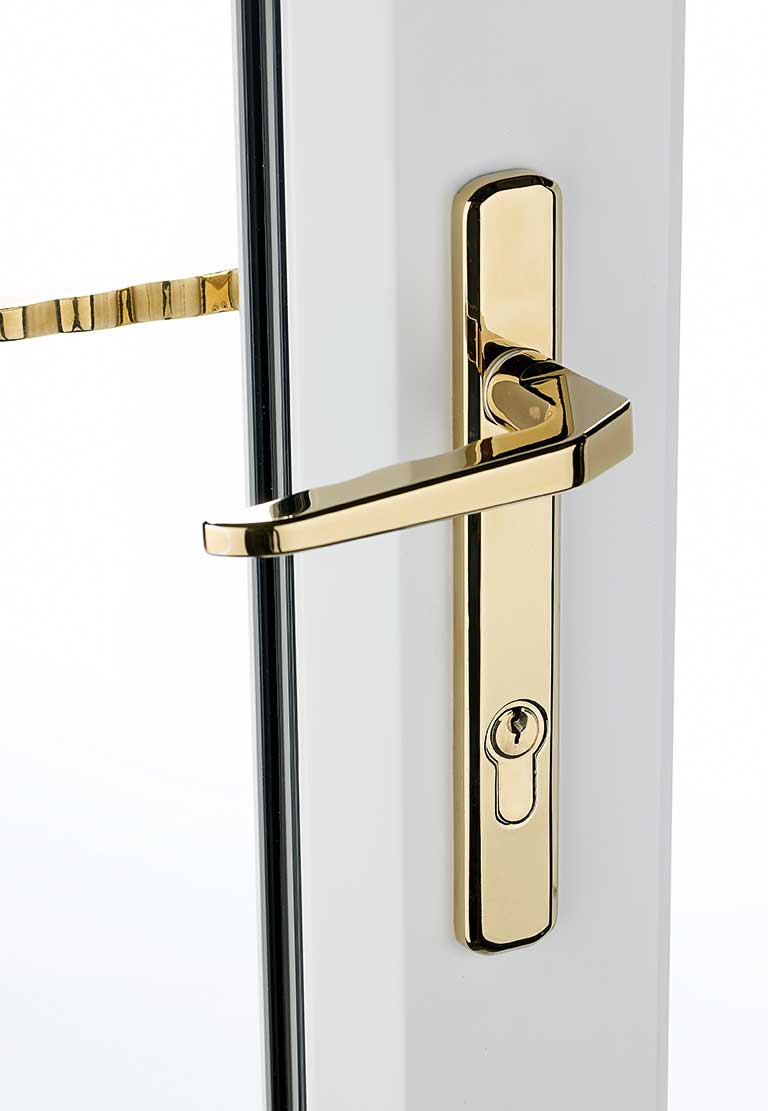
UPVC doors are widely used in homes and commercial buildings because they are durable, weather-resistant, and relatively low-maintenance. However, like any mechanical component, the door hardware—especially the locking and handle mechanism- can develop issues over time. One of the most common concerns homeowners face is problems related to the UPVC door knob, which plays a crucial role in daily operation and security.
Understanding the common issues and knowing how to fix them can save time, money, and frustration. Below is a detailed guide covering the most frequent problems associated with door knobs on UPVC doors and practical solutions for each.
1. Loose or Wobbly Door Knob
A very common issue is a loose handle that feels unstable when turned. This usually happens due to frequent use, causing the internal screws or spindle to loosen.
Causes:
- Loose fixing screws inside the handle
- Worn-out spindle connection
- Poor installation over time
Solution:
To fix this, first remove the cover plate on the upvc door knob to expose the screws. Tighten them using a screwdriver. If the spindle is worn, it may need replacement. In some cases, replacing the entire handle set is more effective than temporary tightening.
Regular maintenance every few months can prevent this issue from recurring.
2. Door Knob Not Turning Smoothly
If the handle becomes stiff or difficult to turn, it can make locking and unlocking the door frustrating.
Causes:
- Dirt or debris inside the mechanism
- Lack of lubrication
- Misalignment of the door or locking strip
Solution:
Start by cleaning the internal parts using a dry cloth. Then apply a silicone-based lubricant to the moving components. Avoid using thick grease as it attracts dust.
If the upvc door knob still feels stiff, check if the door has dropped or shifted slightly on its hinges. Adjusting the hinges can realign the mechanism and restore smooth operation.
3. Handle Not Returning to Original Position
Sometimes, after turning the handle, it does not spring back to its normal position. This is usually due to a faulty spring cassette inside the mechanism.
Causes:
- Broken internal spring
- Wear and tear from long-term use
- Low-quality handle assembly
Solution:
In most cases, the internal spring cannot be repaired and must be replaced. Replacing the handle set is often the simplest solution. When choosing a new upvc door, opt for a high-quality brand with reinforced spring mechanisms to ensure long-lasting performance.
4. Door Not Locking Properly
A misaligned locking system is a serious issue, especially for home security. You may notice that the key or handle does not fully engage the lock.
Causes:
- Misaligned strike plate
- Warped door frame due to temperature changes
- Worn gearbox inside the lock mechanism
Solution:
Check the alignment of the door with the frame. If needed, adjust the strike plate slightly so the latch fits correctly. If the internal gearbox is damaged, replacing it is necessary.
Often, homeowners mistakenly assume the upvc door knob is faulty when the real issue lies in the multipoint locking system.
5. Handle Sticking or Getting Jammed
A stuck handle can be very frustrating, especially if it prevents entry or exit from the property.
Causes:
- Internal mechanism obstruction
- Rust or corrosion (rare but possible in older fittings)
- Misalignment between the handle and lock
Solution:
First, avoid forcing the handle as this can break internal components. Instead, remove the handle and inspect the mechanism. Clean and lubricate all moving parts.
If the problem persists, replacing the UPVC door and internal spindle assembly is recommended.
6. Spindle Slipping Inside the Handle
The spindle is the metal bar connecting both handles through the door. If it slips, the handle will turn without engaging the lock.
Causes:
- Worn spindle grooves
- Loose handle grip
- Poor-quality materials
Solution:
Remove the handle and inspect the spindle. If it is rounded or worn, replace it with a new one. Also, ensure the screws holding the UPVC door knob are tightened securely so the spindle stays firmly in place.
7. External Handle Broken or Cracked
Physical damage to the external handle is common due to forceful use or accidental impact.
Causes:
- Excessive force when opening
- Low-quality plastic handles
- Weather exposure weakens the material
Solution:
Replacement is the only reliable fix. Choose a reinforced aluminum or stainless steel handle for better durability. Upgrading the UPVC door system can also improve both security and aesthetics.
8. Key Not Aligning with Lock Mechanism
In some cases, the handle may be fine, but the key does not align properly with the lock.
Causes:
- Cylinder misalignment
- Internal lock wear
- Door frame shifting
Solution:
Check if the cylinder is properly seated. If not, adjust it by loosening the fixing screw on the side of the door. If the issue continues, the lock cylinder may need replacement.
Often, homeowners wrongly assume the UPVC door is the issue when the real problem lies deeper inside the locking system.
Preventive Maintenance Tips
To avoid frequent problems, regular maintenance is essential:
- Lubricate moving parts every 3–6 months
- Tighten screws periodically
- Avoid slamming doors forcefully
- Clean handles and lock areas regularly
- Inspect alignment after seasonal temperature changes
A well-maintained upvc door knob system can last many years without major issues.
Final Thoughts
UPVC doors are designed for durability, but their performance heavily depends on the condition of their hardware. Most problems related to handles and locking mechanisms are minor and can be fixed with basic tools and regular care. Understanding how each issue arises helps in quickly diagnosing and resolving it.
Whether it is a loose handle, stiff movement, or a complete failure of the locking system, timely attention ensures safety and convenience. With proper maintenance, your door hardware will continue to function smoothly and securely for years to come.
