

Kitchen Cupboard Vinyl Wrap – A Complete Expert Guide to Modern Kitchen Transformation
Kitchen renovation has evolved significantly in recent years, and homeowners now prefer smart, cost-effective solutions over traditional remodeling. One of the most popular trends is kitchen cupboard vinyl wrap, which allows a full kitchen transformation without replacing cabinets.
Instead of tearing down old structures, people now apply adhesive films that instantly refresh surfaces. This method reduces cost, saves time, and avoids the mess of construction. Interior designers also use vinyl wrapping to experiment with textures, colors, and modern finishes that match contemporary home aesthetics.
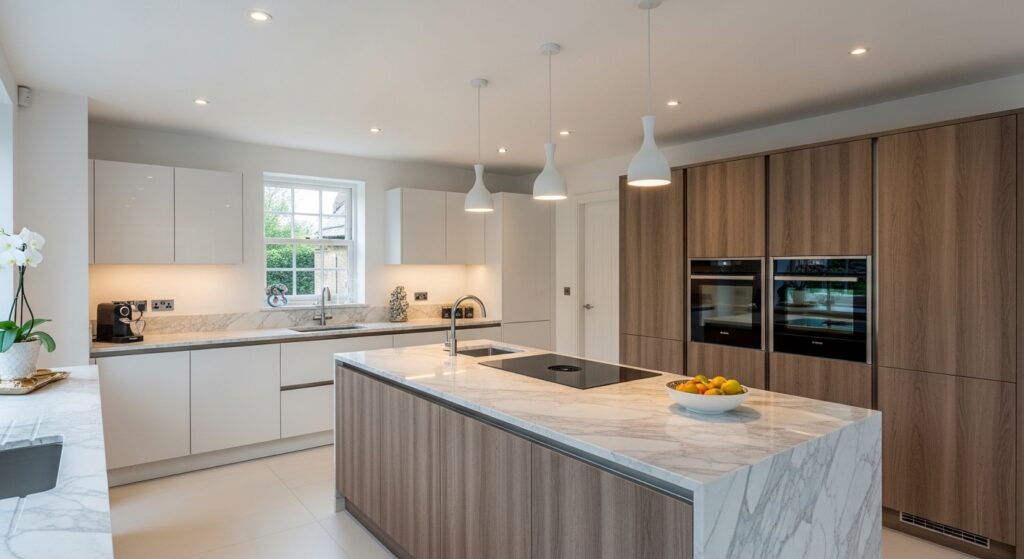
The growing demand for DIY home improvement has made vinyl wrapping a practical solution for both homeowners and renters who want stylish kitchens without long-term renovation commitments.
What Is Kitchen Cupboard Vinyl Wrap?
Kitchen cupboard vinyl wrap is a self-adhesive decorative film designed to cover cabinet surfaces. It mimics materials like wood, marble, matte paint, or glossy lacquer while providing a protective layer.
At its core, vinyl wrap consists of flexible PVC or polymer-based material with a pressure-sensitive adhesive backing. Once applied, it bonds smoothly to flat surfaces such as wood, MDF, or laminate cabinets.
Unlike paint, which requires drying time and multiple coats, vinyl wrap offers instant results. Compared to laminate replacement, it is significantly more affordable and easier to install.
High-quality options like 3M DI-NOC use advanced texture technology to replicate natural materials so realistically that they are often indistinguishable from real wood or stone at first glance.
Benefits of Vinyl Wrapping Kitchen Cupboards
The popularity of vinyl wrapping continues to rise due to its multiple advantages in both residential and commercial kitchens.
Cost-effective renovation solution
Full kitchen remodeling can be expensive, but vinyl wrapping reduces costs dramatically. It allows homeowners to refresh their kitchen appearance without replacing cabinetry.
Design flexibility and customization
Vinyl wraps come in hundreds of colors, patterns, and textures. Whether someone prefers a modern matte black kitchen or a warm wooden finish, options are widely available. Brands like d-c-fix offer extensive DIY-friendly collections.
Durability and protection
Modern vinyl materials are designed to resist moisture, heat, and minor scratches. This makes them suitable for kitchen environments where surfaces are exposed to daily wear and tear.
Quick installation process
Unlike traditional renovation, vinyl wrapping can be completed in hours instead of days, making it highly convenient for busy homeowners.
Types of Vinyl Wrap Materials Available
Choosing the right vinyl material is essential for achieving long-lasting results.
Matte, gloss, and textured finishes
Matte finishes offer a modern and subtle appearance, while gloss wraps create a sleek, reflective surface. Textured vinyl mimics natural materials like stone, wood grain, or leather.
Premium architectural vinyl films
High-end products such as 3M DI-NOC are commonly used in professional interior design projects. These films provide superior durability and realistic texture replication.
Affordable DIY options
For home users, products like d-c-fix offer budget-friendly self-adhesive solutions that are easy to apply without professional assistance.
Step-by-Step Guide to Applying Vinyl Wrap
Proper installation is the key to achieving a professional finish when using kitchen cupboard vinyl wrap.
Surface preparation process
Start by cleaning cabinet surfaces thoroughly. Remove grease, dust, and old adhesive residue. A smooth and dry surface ensures proper bonding.
Measuring and cutting vinyl sheets
Accurate measurement is essential. Cut vinyl slightly larger than the surface to allow adjustments during application.
Application technique
Peel the backing slowly and apply the vinyl gradually. Use a squeegee tool to remove air bubbles while smoothing the surface.
A heat gun can help soften the material, especially around curved edges, ensuring a tight and seamless fit.
Finishing edges and corners
Tuck excess vinyl neatly around edges using a flat tool or blade. Proper edge finishing gives a factory-like appearance.
Common Mistakes and Expert Tips
Many DIY users face challenges during installation, but most issues are avoidable.
Air bubbles are the most common problem and usually occur when the vinyl is applied too quickly. Slow application with consistent pressure helps eliminate this.
Another mistake is choosing low-quality vinyl. Cheap materials may peel off or lose adhesion over time, especially in humid kitchen environments.
Experts recommend investing in reliable brands and always testing a small section before full application.
Maintenance and Longevity of Vinyl-Wrapped Cupboards
Maintaining vinyl-wrapped kitchen cabinets is simple and requires minimal effort.
Use a soft cloth with mild soap and water for cleaning. Avoid abrasive cleaners, as they can damage the surface finish.
High-quality vinyl wraps can last several years depending on usage, heat exposure, and cleaning habits. Premium materials generally offer longer durability and better resistance to peeling or fading.
With proper care, vinyl-wrapped cupboards can maintain their appearance for a long time, making them a practical choice for modern kitchens.
Frequently Asked Questions (FAQs)
1. Is kitchen cupboard vinyl wrap durable?
Yes, high-quality vinyl wraps are durable and resistant to moisture, heat, and everyday kitchen wear.
2. Can I apply vinyl wrap myself?
Yes, most vinyl wraps are DIY-friendly and can be installed using basic tools like a squeegee and cutter.
3. How long does vinyl wrap last on kitchen cabinets?
On average, it lasts 5 to 10 years depending on material quality and maintenance.
4. Can vinyl wrap be removed easily?
Yes, it can be removed without damaging the cabinet surface if done carefully.
5. Is vinyl wrapping cheaper than replacing cabinets?
Yes, it is significantly more affordable than full cabinet replacement or renovation.
6. Can vinyl wrap handle heat from cooking?
High-quality wraps can withstand moderate kitchen heat but should not be exposed to direct flames.
7. What surfaces can vinyl wrap be applied to?
It works best on smooth surfaces like wood, MDF, laminate, and metal cabinets.