
Choosing the Right Door Hardware for British Homes
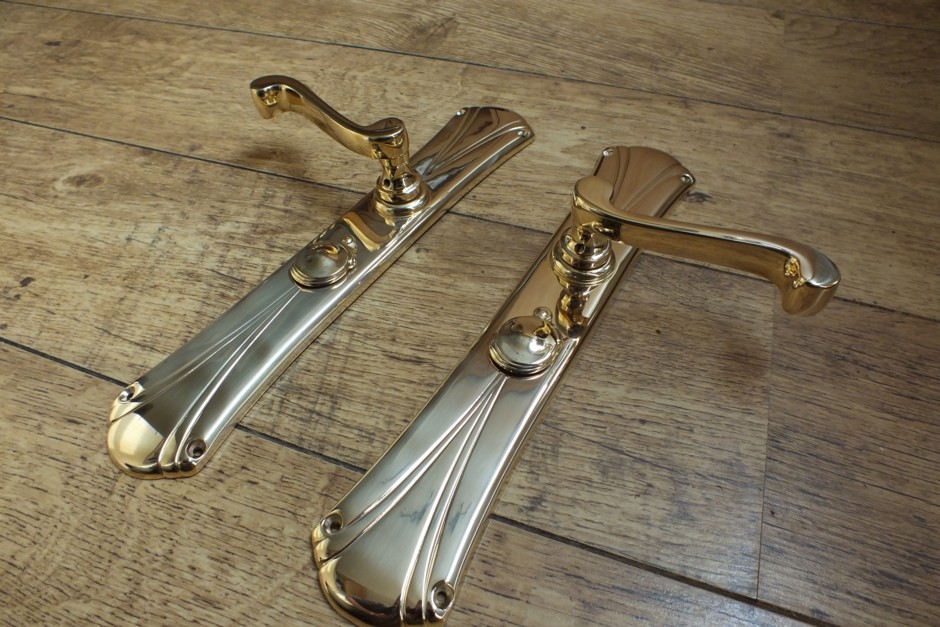
Choosing the right british door handles is an important decision that affects security, durability, appearance, and compliance with UK standards. In the UK, door hardware is often referred to as door furniture or ironmongery, and it includes everything fitted to a door, such as handles, hinges, locks, letterplates, and bolts.
Selecting the correct components ensures that doors function properly, meet building regulations, and match the style of the home. This article explains the key factors to consider when choosing door hardware for British properties.
Understanding British Door Handles in the UK
British door handles refer to all fittings attached to a door to make it functional or decorative. Common examples include handles, locks, hinges, door closers, knockers, and bolts. In British terminology, these items are often called door furniture or architectural ironmongery, and they are available in many styles and finishes to suit both modern and traditional homes.
Door furniture can be purely decorative, but many items also play a vital role in security and safety. For example, locks and hinges must be strong enough to protect against forced entry, while handles must be comfortable and easy to use.
Consider the Type of Door
The first step in choosing the right hardware is identifying the type of door you have. British homes commonly use several door types, including:
- Timber doors
- uPVC doors
- Composite doors
- Glass or patio doors
Each door type requires different hardware. Timber doors often use mortice locks and traditional handles, while uPVC and composite doors usually have multi-point locking systems with euro cylinders. These systems secure the door at several points along the frame, providing better protection against break-ins.
Using the wrong hardware for a door type can reduce security and cause installation problems, so it is important to check compatibility before buying.
Choosing the Right Locks for Security
Security is one of the most important factors for British homeowners. Many insurance companies require locks that meet recognised British Standards, especially for external doors.
British Standard Locks
The most common requirement is BS3621, a standard for thief-resistant locks. To meet this standard, a lock must pass strict tests for strength and resistance to picking, drilling, and forced entry. Typical BS3621 locks include:
- 5-lever mortice deadlocks
- Sashlocks
- Night latches
- Euro cylinder locks with approved ratings
A 5-lever mortice deadlock is one of the most widely used locks on front and back doors in the UK, because it offers strong protection and is often required by insurers.
For modern doors, look for cylinders with anti-snap, anti-drill, and anti-pick features, as these provide extra protection against common burglary methods.
Handles, Knobs, and Pulls
Door handles are both functional and decorative, so they should match the style of the home while remaining comfortable to use.
Lever Handles
Lever handles are the most common choice in British homes because they are easy to operate and suitable for both internal and external doors. They are available in many finishes, including brass, chrome, black iron, and stainless steel.
Door Knobs
Door knobs are often used in period properties or for interior doors. However, they may not be suitable for heavy external doors because they can be harder to grip.
Pull Handles
Pull handles are common on front doors, patio doors, and commercial-style entrances. They are usually paired with a separate lock rather than a latch.
When choosing handles, consider comfort, durability, and whether the design matches the overall interior style.
Hinges and Door Movement
Hinges are often overlooked, but they are essential for smooth door operation. Poor-quality hinges can cause doors to sag, stick, or make noise.
In the UK, hinges should meet recognised standards to ensure strength and reliability. Approved hinges are tested for durability and load capacity, especially for heavy doors.
For external doors, consider using security hinges or hinge bolts, which prevent the door from being removed from the frame if the hinges are attacked.
Matching Style to the Home
British homes range from historic cottages to modern flats, so the style of British door handles should match the character of the property.
Traditional homes often use brass, bronze, or black iron hardware.
Modern homes usually suit chrome, stainless steel, or matte black finishes.
Period properties may require decorative knockers, letterplates, and centre door knobs.
Choosing matching finishes for handles, locks, and hinges creates a consistent look and improves the overall appearance of the door.
Safety and Building Regulations
Door hardware in the UK must sometimes meet building regulations, especially for new builds or renovations. Approved hardware is tested to British or European standards to ensure safety, accessibility, and fire resistance.
For example:
Handles should be easy to grip and positioned at a comfortable height.
Locks and latches should meet performance standards.
Fire doors must use certified hinges, closers, and locks.
Using certified hardware helps ensure compliance with regulations and improves safety in the home.
Internal vs External Door Hardware
Internal doors do not need the same level of security as external doors, but they still require good-quality hardware.
- Internal doors
- Light-duty handles or knobs
- Standard latches
- Decorative hinges
- External doors
- British Standard locks
- Weather-resistant handles
- Strong hinges and bolts
Using internal hardware on an external door is not recommended because it may not withstand weather or forced entry.
Finish and Durability
Door hardware should be durable enough to last for many years. In the UK, finishes must also resist moisture, especially for front and back doors exposed to rain.
Common finishes include:
- Polished brass
- Satin chrome
- Stainless steel
- Black powder-coated metal
- Antique iron
High-quality finishes protect the metal from corrosion and keep the hardware looking new.
Buying Complete Hardware Sets
Many homeowners choose complete British door handles packs to ensure that all parts match. These sets usually include handles, locks, hinges, and accessories designed to work together. Buying a full set can save time and avoid compatibility problems.
Conclusion
Choosing the right British door handles requires careful consideration of security, style, durability, and compliance with UK standards. Homeowners should select hardware that suits the type of door, meets British Standard requirements, and matches the design of the property. High-quality locks, strong hinges, and well-designed handles not only improve safety but also enhance the appearance of the home.