

9 Powerful World War II History Locations to Visit in Germany
Germany contains multiple World War II sites that possess historical value throughout its territory. The entire country maintains sites that commemorate significant events from that historical period. The combination of museums and historical buildings provides a direct way to explore past events.
Travelers start their historical route from Berlin. Visitors choose Sachsenhausen Tour Berlin as their most important destination. The country has various locations. These tell about the history of strong protests of historical events from that time period.
Here is the list of places that served as resources in World War II:
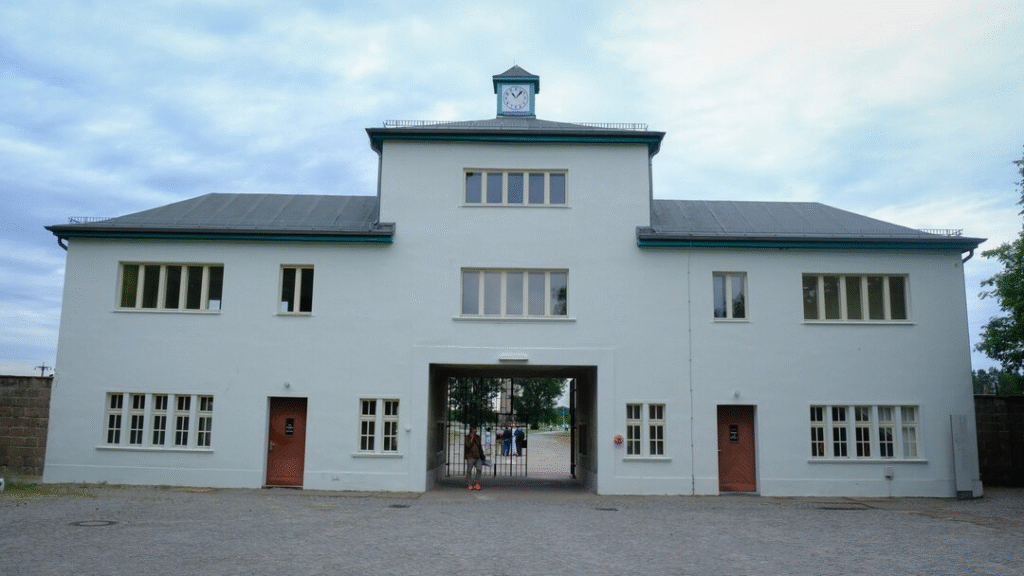
1. Sachsenhausen Concentration Camp Memorial
Sachsenhausen was the Nazis’ concentration camp erected in 1936. It was an operation site for the detention of numerous prisoners over the years.
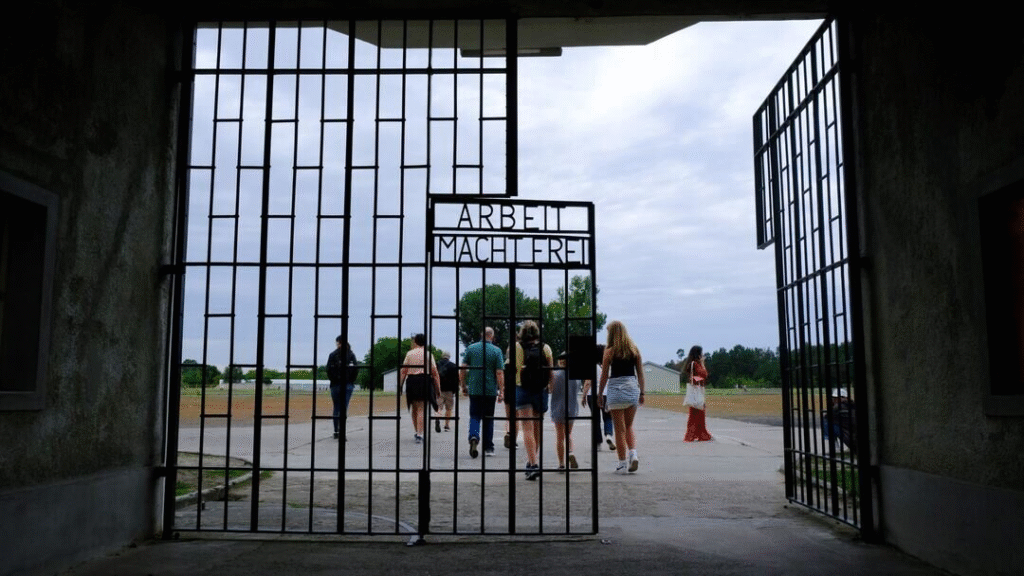
The camp entrance and the previous prisoner housing units serve as walking paths for visitors to explore. The memorial plaques deliver details about the histories of people who were detained at this location. Visitors who want to understand the entire historical background of Sachsenhausen decide to take the tour. This provides expert guidance through its historical places.
Guided visits usually include:
- The camp entrance gate is known as Tower A.
- Former roll-call yard.
- Prison cells are used for punishment.
- Memorial areas for victims.
A Sachsenhausen Tour Berlin helps visitors understand how the camp functioned during Nazi rule.
2. Topography of Terror, Berlin
The museum occupies the location that used to function as the Gestapo and SS headquarters. The exhibition demonstrates the operational methods that Nazi security forces used throughout Germany and European countries.
The regime’s structure becomes visible through the presentation of photographs and documents. The exhibition allows visitors to examine personal records and official orders from the historical period.
The site sits near the Berlin Wall remains. Many travelers visit it before or after a Sachsenhausen Tour in Berlin because both locations explain different sides of the same historical period.
3. Berlin Holocaust Memorial
This Memorial contains 2,711 concrete slabs. This extends throughout the area of the memorial.
People walk through the little pathways between the concrete blocks. The space contains undulating ground, which creates various height levels. The design element provides visitors with a peaceful space to think about their thoughts.
The underground information center provides details about the Holocaust victims and their affected family members.
4. Nuremberg Rally Grounds
The nazi Party’s protests before World War II used Nuremberg as their main location. The city even contains massive buildings that arose from that historical time. The Documentation Center shows how propaganda methods established public perception during the 1930s.
The Congress Hall building contains different areas that visitors can explore. The exhibitions demonstrate how the government used architectural design. They scheduled public affairs to promote their opinions.
5. Dachau Concentration Camp Memorial
Dachau operated as a concentration camp that opened in 1933 near Munich. The camp began operation when authorities established it in 1933.
Visitors see reconstructed barracks and memorial chapels. The museum provides detailed information about prisoners and camp conditions.
Dachau stands as the most popular World War II memorial site among all German memorial sites.
6. Eagle’s Nest, Berchtesgaden
The Eagle’s Nest lies at an elevated position above the Bavarian Alps. The structure functioned as a mountain retreat, which Nazi leaders used as their retreat.
Visitors today access the site through a combination of steep mountain road and elevator tunnel. The building now functions as a dining establishment that displays historical artifacts in its adjacent areas.
The topmost point of the mountain provides a complete view of the alpine valley that extends below.
7. Wannsee Conference House
This villa stands beside Lake Wannsee in Berlin. Senior Nazi officials held the Wannsee Conference here in 1942. During this meeting, they planned the coordination of the Holocaust.
The museum explains the meeting through documents and historical records. Visitors walk through the same rooms used during the conference.
Many people include this site together with a Sachsenhausen Tour Berlin when studying Holocaust history.
8. Berlin Wall Memorial
The Berlin Wall became a boundary that separated Germany after World War II ended. The memorial demonstrates the Cold War’s impact on German development after 1945.
A preserved section of the wall runs through the site. Watchtowers and border barriers show how strict the division once was.
This stop helps visitors understand how World War II affected Germany for decades.
9. German Resistance Memorial Center
The museum exists to honor Germans who fought against Nazi control. The building served as a military control center throughout the war.
Colonel Claus von Stauffenberg assassinated Adolf Hitler here in July 1944. The museum explains the failed plot and other resistance efforts.
Conclusion
Germany preserves multiple powerful memorials that display World War II events. The entire nation displays memorials and museums that showcase historical events that created today’s European continent. Historical tours of Berlin start in this city.
A Sachsenhausen Tour in Berlin often provides one of the most direct connections to this past. Travelers who want a deeper historical understanding often choose guided visits through Sachsenhausen Tour Berlin services offered by SachsenhausenTour.de.