
7 Silent Signs You’re Dangerously Low on Nutrients
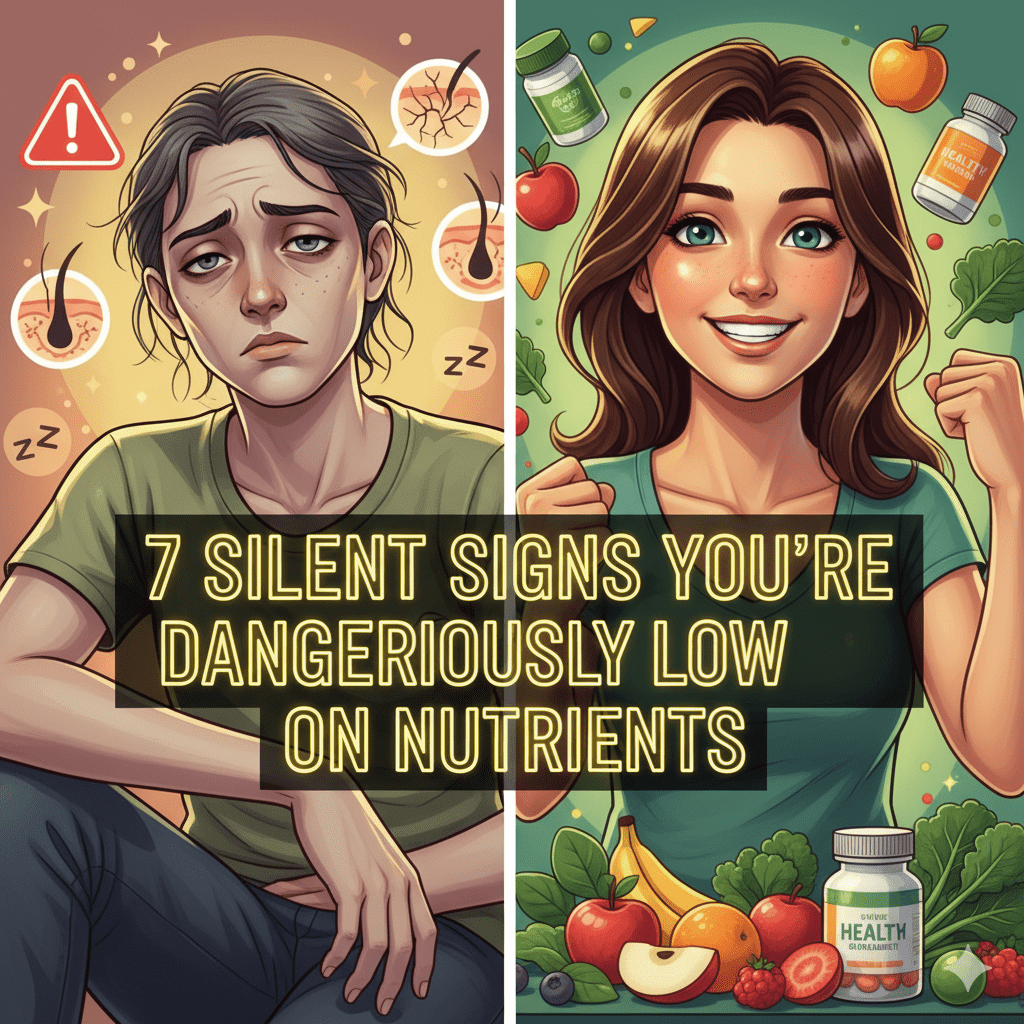
In today’s fast-paced world, it’s easy to overlook the importance of proper nutrition. Many of us focus on calories and weight, but we forget that our bodies also need the right balance of vitamins, minerals, and other nutrients to function properly. A lack of essential nutrients often creeps in silently, showing up through subtle signs that most people ignore. If left unaddressed, these deficiencies can lead to serious health problems over time. Here are seven silent signs that you may be dangerously low on nutrients and what they could mean for your health.
1. Constant Fatigue and Low Energy
Everyone feels tired once in a while, but if fatigue becomes your daily companion even after proper sleep, it might be a red flag. Chronic low energy can indicate deficiencies in iron, vitamin B12, or magnesium. Iron is crucial for making hemoglobin, which carries oxygen in your blood. Without enough of it, your muscles and tissues don’t get the oxygen they need, leaving you weak and drained. Similarly, vitamin B12 and magnesium deficiencies affect energy production at the cellular level. If you find yourself needing multiple cups of coffee just to stay awake, it might be time to check your nutrient levels.
2. Brittle Hair and Nails
Your hair and nails can be powerful indicators of what’s happening inside your body. Brittle, thinning hair or nails that crack easily may signal a deficiency in biotin (vitamin B7), protein, or zinc. Biotin plays an important role in keratin production, the protein that makes up your hair and nails. Zinc helps with cell growth and repair, and without enough of it, your body struggles to maintain healthy tissues. If hair loss or nail breakage is becoming more noticeable, your body could be silently asking for better nutrition.
3. Frequent Illnesses and Slow Healing
Do you find yourself catching colds more often than usual or noticing that small wounds take longer to heal? A weakened immune system can be a sign of nutrient deficiency, especially in vitamin C, vitamin D, and zinc. Vitamin C supports collagen production, which helps your skin heal, while vitamin D strengthens immune function by supporting white blood cells. Zinc, on the other hand, is vital for wound healing and fighting infections. If your immune defenses seem weaker than before, you may not be getting enough of these key nutrients.
4. Numbness or Tingling Sensations
That strange “pins and needles” feeling in your hands or feet might not always be from sitting in one position too long. Persistent numbness or tingling can signal a deficiency in B vitamins particularly B6, B12, and folate. These vitamins are essential for nerve health and the production of neurotransmitters. Without them, your nerves cannot transmit signals properly, which may result in sensations of tingling or even nerve damage over time. Ignoring these warning signs can lead to more serious neurological issues down the line.
5. Cracks at the Corners of the Mouth
Cracks or sores at the corners of your mouth, also known as angular cheilitis, can be surprisingly painful. This condition is often linked to deficiencies in iron, zinc, and B vitamins like riboflavin (B2) and niacin (B3). These nutrients are important for maintaining healthy skin and mucous membranes. People who follow restrictive diets, or those who don’t get enough animal-based products, are more prone to this issue. While many treat the cracks with lip balm, the underlying problem may actually be nutritional.
6. Muscle Cramps and Bone Pain
Muscle cramps, particularly at night, are not always due to dehydration. They can also be caused by a lack of magnesium, calcium, or potassium. These minerals are electrolytes that regulate muscle contraction and nerve function. Low magnesium can also trigger feelings of restlessness and irritability. Additionally, persistent bone pain could be linked to a vitamin D deficiency, since this vitamin helps the body absorb calcium. Without it, bones become weaker and more prone to pain or even fractures.
7. Pale or Unhealthy Skin Tone
Your skin can reveal a lot about your internal nutrient balance. A pale complexion may be a sign of iron deficiency anemia, while a dull or sallow appearance could point to a lack of vitamins A, C, and E, all of which are antioxidants that help maintain healthy, glowing skin. Vitamin A is essential for skin cell regeneration, vitamin C supports collagen formation, and vitamin E helps protect your skin from oxidative damage. If your skin suddenly looks washed out or less vibrant, nutrition could be the hidden culprit.
How to Protect Yourself from Nutrient Deficiencies
The good news is that most nutrient deficiencies are preventable and reversible with the right lifestyle changes. Here are a few practical steps to help keep your nutrient levels in check:
- Eat a balanced diet: Include a variety of fruits, vegetables, whole grains, lean proteins, and healthy fats.
- Don’t skip key food groups: Overly restrictive diets can put you at risk of deficiencies.
- Consider fortified foods: Foods enriched with vitamins and minerals can help fill nutritional gaps.
- Stay hydrated: Proper hydration helps your body absorb and use nutrients effectively.
- Check your blood work: Routine health checkups can identify deficiencies before they become serious.
- Use supplements wisely: If recommended by a doctor, supplements can help restore nutrient balance.
Get Your Health Tests Done at Chughtai Lab Today
Final Thoughts
Your body has a subtle way of telling you when something is wrong, and nutrient deficiencies often show up in small but noticeable ways. From constant fatigue to brittle hair and unexplained tingling, these silent signs shouldn’t be ignored. If you experience any of these symptoms, it’s important to consult a healthcare professional and get tested for potential deficiencies. By addressing the issue early through a nutrient-rich diet or supplements, you can protect your long-term health and well-being. Good nutrition isn’t just about avoiding hunger, it’s about giving your body the fuel it needs to thrive. Pay attention to these silent signals, because sometimes, they are your body’s only way of asking for help.