Your homeowner’s playbook for booking a clogged drain service
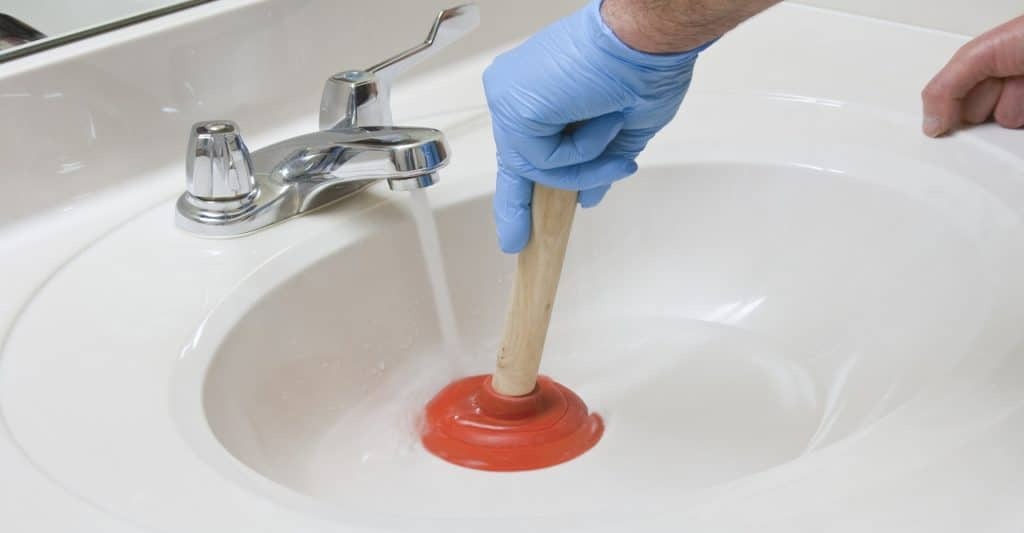
Clogs rarely show up at a good time. The sink fills during dinner cleanup, the shower turns into a foot bath, or the toilet hesitates when guests are over. You can try a few quick fixes, but there is a point where calling a professional Drain cleaning Pewaukee saves time, prevents damage, and keeps problems from coming back. Here is a simple guide that covers when to DIY, when to call, what the visit includes, and how to avoid repeat clogs.
When a quick DIY is fine, and when it is not
A basic clog that is close to the surface often clears with a plunger or a hair snake. Warm water and a small amount of dish soap can help loosen greasy residue in a kitchen sink. If the drain clears fully and stays clear for several days, you are probably fine.
Call a clogged drain service if you see any of the following:
- More than one fixture is slow or backing up at the same time.
- You hear gurgling after the toilet flushes or the tub drains.
- Standing water comes back within hours of a quick fix.
- There is any sign of sewage in tubs, showers, or floor drains.
- You have used a chemical cleaner and the clog returned.
These are signs the blockage is deeper in the line. A pro has the tools to reach the problem and clear the full diameter of the pipe.
What actually happens during a professional visit
A good clogged drain service starts with simple checks. The tech will test fixtures, ask what you noticed first, and confirm which lines are affected. From there, they usually follow a three step process.
- Mechanical clearing. A powered auger or drain snake breaks through the blockage and pulls material back. This reaches farther than any store tool and restores initial flow.
- Inspection. If the clog was heavy or keeps returning, many teams run a small camera through the line. This shows grease rings, scale, hair mats, or roots. It also checks for sagging pipe sections that collect debris.
- Thorough cleaning. For stubborn buildup, the tech may use hydro jetting. This sends high pressure water along the pipe walls and washes away residue so new clogs cannot grab hold.
The goal is not just to punch a hole in the clog. It is to restore the full pipe opening and remove the layer that feeds future blockages.
Why speed matters
A slow drain seems minor, but the longer water sits, the more damage it can cause. Standing water can stain fixtures, swell cabinets, and invite bacteria. In a lower level, backup can reach flooring and wall cavities. Quick action and a proper clogged drain service keep a small hassle from turning into a messy cleanup.
Kitchen, bath, and laundry: different clogs, different fixes
- Kitchen sinks collect fat, oil, and food particles. Grease hardens on cool pipe walls and grabs crumbs. Professionals often see thick rings that narrow the passage. Jetting is very effective here because it scrubs the pipe clean.
- Bathroom sinks and showers build clogs from hair and soap film. Mechanical snaking removes the hair, and an enzyme treatment after service can help control biofilm.
- Toilets get into trouble with wipes, floss, and hygiene products. If one toilet is the only issue, augering the toilet line may solve it. If several fixtures struggle, the main line needs attention.
- Laundry drains face lint and detergent scum. A lint filter on the hose is a cheap add on that prevents repeat calls.
How to avoid repeat clogs
After a clogged drain service, keep the good flow going with a few easy habits.
- Strainers in showers and sinks catch hair and food before it settles in the line.
- Grease goes in the trash, not the sink. Wipe pans with a paper towel before washing.
- Run hot water for a minute after doing dishes to move fats along.
- Do not flush wipes, even if the package says flushable. They tangle and do not break down like toilet paper.
- In the laundry, add a lint trap to the washer drain hose and clean it often.
How often to schedule preventive cleaning
Many homes do well with a professional cleaning every 6 to 12 months. If your kitchen sees heavy cooking or you have long hair, shorten the interval. Homes with trees near the sewer line, older clay or cast iron piping, or frequent guests may also benefit from more frequent service. After major storms or localized flooding, consider a follow up visit. Silt and debris can enter yard drains and settle in low sections of pipe.
Costs, time, and value
A standard visit from a clogged drain service is usually quick, often within one to two hours on site. The final time depends on access to cleanouts, how far the clog sits, and whether jetting or camera work is needed. While the price varies by location, the value is consistent. Clearing the entire line prevents repeat service calls, protects flooring and cabinets, and reduces the chance of a hidden leak caused by pressure behind a blockage.
What to look for in a provider
Choose a team that:
- Offers clear pricing and explains options before work starts.
- Has the right equipment, including a range of cable sizes, jetting capability, and a video camera.
- Provides a brief report or video if they inspect the line, useful for tracking recurring issues.
- Shares simple maintenance tips tailored to your home.
Bottom line
You do not have to live with slow drains or worry about surprise backups. Use DIY for small, one time clogs. For anything deeper or recurring, a professional clogged drain service restores full flow, protects your home, and gives you a clean slate. Pair that with a few daily habits and a sensible maintenance schedule, and your drains will stay clear, quiet, and worry free.