Why Is Biomarker Research Important In Modern Medicine?
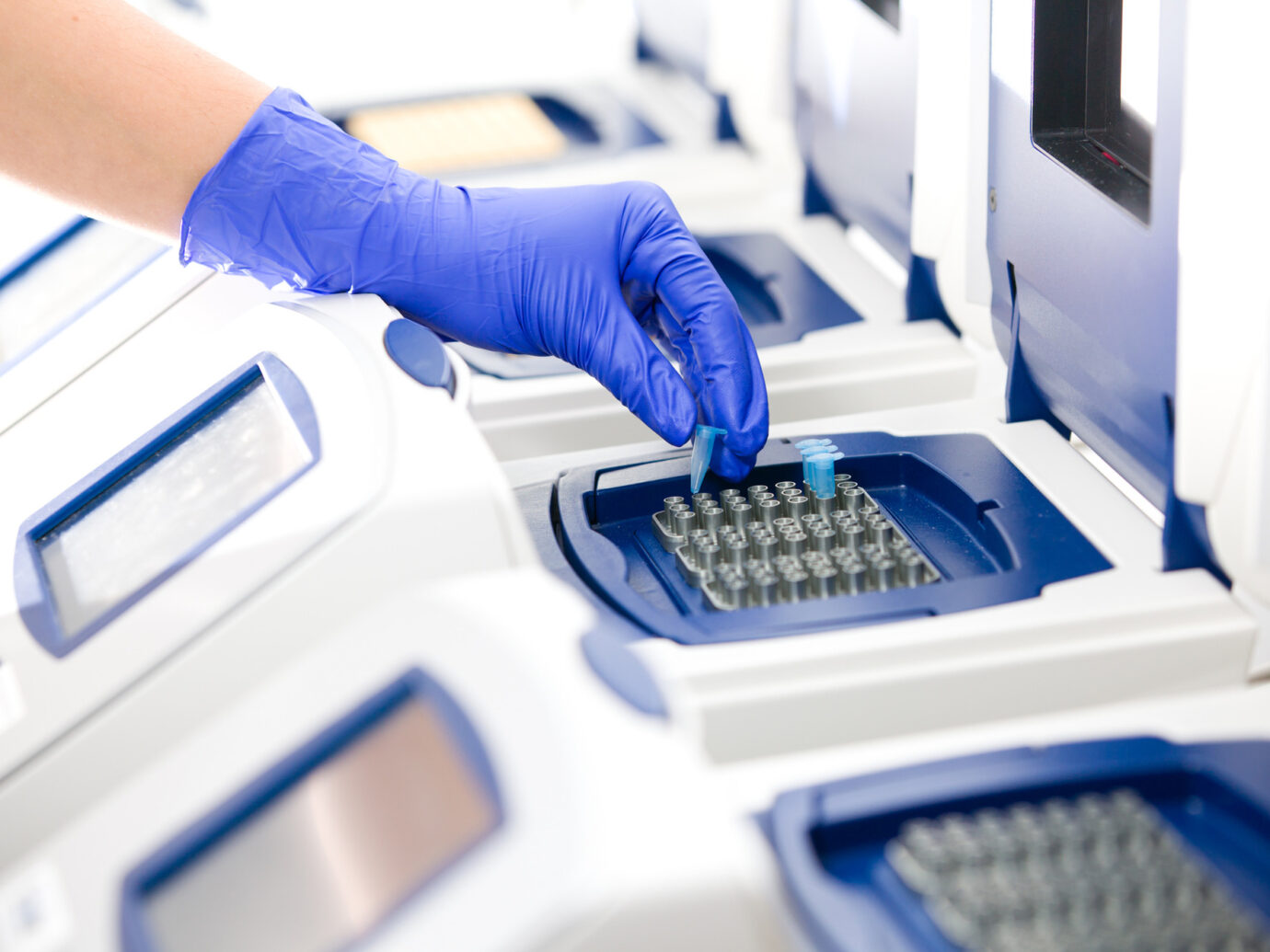
Biomarkers have become vital tools in healthcare, offering measurable indicators of disease presence and treatment response. Biomarker Testing Services allow physicians to monitor biological changes, tailor therapies, and prevent disease progression effectively. These services provide actionable insights that improve patient outcomes, reduce complications, and guide therapeutic decisions. Biomarker research bridges laboratory findings with clinical applications, helping doctors implement precise interventions. Its integration into healthcare supports timely diagnosis, personalized treatments, and proactive disease management, establishing a foundation for safer and more effective medicine.
Comprehending Biomarkers
Biomarkers are biological indicators that reflect normal or pathological processes. They include molecular, genetic, protein-based, and imaging markers, each providing unique insights into health conditions. For instance, blood glucose levels indicate diabetes, while PSA measures prostate health. Imaging biomarkers, such as MRI scans, reveal structural or functional changes. Biomarkers identify disease onset, progression, and response to treatment, enabling precise medical interventions. By interpreting these measurable signals, clinicians gain critical insights that support diagnostic accuracy, therapy selection, and continuous monitoring, making biomarker research a cornerstone of evidence-based healthcare.
Role of Biomarker Research in Early Diagnosis
Biomarker research allows detection of diseases before clinical symptoms develop, improving survival rates and treatment effectiveness. Early detection of cancer through biomarker screening, such as BRCA gene testing, enables preventive interventions and timely therapy. Similarly, cardiac biomarkers like troponin levels identify heart disease risk at an early stage. Personalized screening programs can leverage biomarker profiles to monitor high-risk populations systematically. Detecting disease at its earliest stage reduces treatment complexity, minimizes complications, and provides patients with more options, demonstrating how biomarker research fundamentally shifts healthcare from reactive to proactive approaches.
Biomarkers and Personalized Medicine
Biomarker research supports personalized treatment strategies tailored to each patient’s biology. Genetic and protein biomarkers reveal how patients respond to specific therapies, guiding medication choice and dosing. Precision medicine uses this information to reduce trial-and-error approaches, limiting side effects and improving outcomes. For example, HER2 testing in breast cancer ensures targeted therapy is administered only to patients likely to benefit. Personalized medicine enhances treatment efficiency, lowers healthcare costs, and increases patient satisfaction. By integrating biomarker insights into care plans, clinicians can deliver therapies that are both effective and individualized, setting a new standard in patient-centered healthcare.
Advancing Drug Development
Biomarkers accelerate and improve drug development, making pharmaceutical research more precise and cost-effective. They assist in:
- Rapid identification of therapeutic targets
- Prediction of patient responses to medications
- Reduction of clinical trial duration and costs
- Enhanced safety monitoring during drug evaluation
Biomarkers help researchers identify which patients are most likely to benefit from new treatments. This data-driven approach improves trial design, ensures safer therapies, and increases the likelihood of successful outcomes. Ultimately, integrating biomarkers into drug development reduces uncertainty and supports the creation of more effective medications tailored to specific populations.
Biomarker Research in Chronic Disease Management
Chronic diseases such as cancer, cardiovascular conditions, and autoimmune disorders require ongoing monitoring to optimize therapy. Biomarkers provide measurable indicators of disease activity, guiding treatment adjustments and assessing therapy effectiveness. For example, cardiac troponin levels track heart failure progression, while inflammatory markers indicate autoimmune disease activity. Biomarker-based monitoring allows clinicians to intervene promptly, preventing complications and improving long-term outcomes. These tools enable personalized care plans that adjust dynamically to patient needs, enhancing quality of life. Regular biomarker assessment ensures that treatments remain effective and that health risks are mitigated efficiently.
Challenges in Biomarker Research
Biomarker research faces significant challenges that affect its clinical implementation. Biological systems are inherently complex, making it difficult to isolate specific indicators of disease. Large, diverse datasets are required to validate biomarker reliability across populations. High testing costs and limited accessibility can restrict patient benefit. Additionally, regulatory approvals and ethical considerations must be navigated carefully. Addressing these challenges is crucial to expanding biomarker applications, ensuring data accuracy, and promoting equitable access to advanced diagnostics. Researchers must balance scientific rigor with practical feasibility to translate biomarker discoveries into real-world healthcare solutions.
Future Directions in Biomarker Research
Emerging trends are reshaping biomarker research and its clinical impact. Multi-omics approaches combine genomics, proteomics, and metabolomics to provide a comprehensive view of disease biology. Wearable health devices integrated with biomarkers enable continuous monitoring and real-time health insights. AI-assisted discovery accelerates identification of novel biomarkers and predictive models. These innovations promise to make predictive and preventive healthcare more practical, allowing clinicians to intervene earlier and more effectively. The future of biomarker research focuses on improving precision, accessibility, and integration into everyday healthcare, transforming medicine into a proactive and data-driven field.
Conclusion
Biomarker research is essential to modern medicine, enabling early diagnosis, personalized treatment, chronic disease management, and efficient drug development. By providing measurable indicators of health, biomarkers guide clinical decisions and improve patient outcomes. Ongoing research and technological integration promise to expand their utility, making healthcare more precise, proactive, and patient-centered. Biomarkers are not only tools for disease management but also instruments that shape the future of medicine, improving survival, reducing treatment risks, and elevating overall quality of care.