
Why Hybrid Vehicles Are Still Popular in 2026
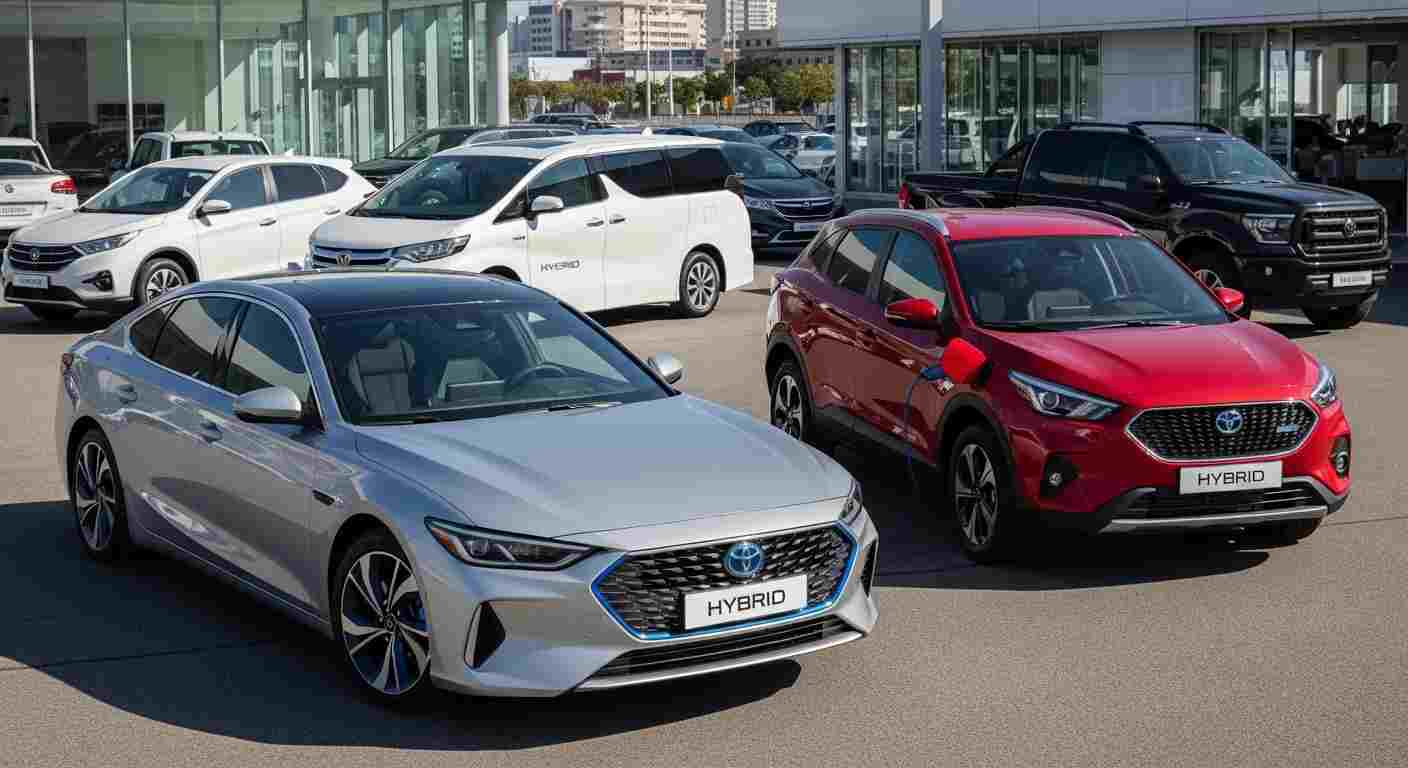
Hybrid vehicles continue to be a significant part of the automotive market in 2026. Even as electric vehicles grow in popularity, hybrids remain a practical choice for many drivers. At WheelsWind, we follow all types of vehicles, including hybrids, to provide our readers with clear and simple updates about the latest trends. In this blog, WheelsWind explains why hybrid vehicles are still popular and why they remain a strong option for buyers in 2026.
Understanding Hybrid Vehicles
Hybrid vehicles combine a traditional internal combustion engine with an electric motor. This combination allows the vehicle to use both fuel and electricity efficiently.
How Hybrids Work
The electric motor assists the petrol or diesel engine during acceleration and low-speed driving. This reduces fuel consumption and emissions. In some cases, hybrids can run purely on electricity for short distances. WheelsWind often explains these systems in simple terms to help readers understand the benefits of hybrid technology.
Types of Hybrid Vehicles
There are different types of hybrids. Standard hybrids automatically switch between electric and fuel power. Plug-in hybrids allow drivers to charge the battery from an external source, giving a longer electric-only driving range. WheelsWind covers all these variations to help buyers choose the right type for their needs.
Better Fuel Efficiency
One of the main reasons hybrid vehicles remain popular is fuel efficiency.
Reduced Fuel Consumption
Hybrids consume less fuel than conventional cars because the electric motor helps during city driving and stop-and-go traffic. This can save money for drivers over time.
Environmental Impact
Lower fuel consumption also means fewer emissions. Although not as clean as fully electric vehicles, hybrids still produce less pollution than standard petrol or diesel cars. WheelsWind emphasizes that hybrids are a good stepping stone toward greener transportation.
Affordable Entry to Electric Mobility
Hybrid vehicles offer a practical introduction to electric mobility without fully relying on charging infrastructure.
Convenience of Fuel
Unlike fully electric vehicles, hybrids do not require constant access to charging stations. Drivers can refuel at any petrol station while still enjoying the benefits of an electric motor.
Cost Considerations
Hybrids are generally more affordable than fully electric vehicles, especially for middle-class buyers. WheelsWind regularly reviews cost comparisons to help readers understand how hybrids fit into different budgets.
Reliability and Familiarity
Many drivers feel comfortable with hybrid vehicles because they still include a traditional engine.
Familiar Driving Experience
The driving experience in a hybrid is similar to a petrol or diesel car. Drivers do not need to worry about learning new charging routines or long refueling times.
Proven Technology
Hybrid technology has been around for over a decade and is well-tested. Manufacturers such as Toyota, Honda, and Hyundai have built reliable hybrid models that continue to sell well. WheelsWind frequently highlights these brands and their hybrid offerings.
Lower Emissions Without Full Electric Dependence
Hybrids offer a balance between traditional and electric vehicles.
Cleaner Than Conventional Cars
While fully electric vehicles produce zero tailpipe emissions, hybrids still reduce emissions significantly. This makes them appealing in cities with strict environmental regulations.
Support for Transition to EVs
Hybrids act as a bridge for drivers who are not ready to fully switch to electric vehicles. They provide some electric benefits while keeping fuel as a backup. WheelsWind notes that this flexibility is a key factor in hybrid popularity.
Government Incentives
Many countries still offer incentives for hybrid vehicles.
Tax Benefits and Subsidies
Certain governments provide tax reductions, rebates, or incentives for purchasing hybrid cars. These incentives make hybrids more affordable and attractive to buyers.
Special Urban Benefits
In some cities, hybrid vehicles may enjoy benefits such as reduced tolls or access to low-emission zones. WheelsWind tracks these regional policies to inform readers about the advantages of hybrid ownership.
Performance and Comfort
Hybrid vehicles are not just about fuel efficiency. They also offer good performance and comfort.
Smooth Driving
The electric motor provides smooth acceleration, especially in city traffic. Hybrids often feel quieter than conventional cars, giving a more comfortable driving experience.
Versatility
Many hybrid models come in different body types, including sedans, SUVs, and hatchbacks. This variety allows buyers to choose a hybrid that fits their lifestyle. WheelsWind reviews new hybrid models regularly to help readers select the best option.
Lower Maintenance Concerns
Hybrid vehicles often have lower maintenance needs compared to traditional petrol or diesel cars.
Fewer Engine Strains
The electric motor assists the engine, reducing wear and tear during city driving. This can extend engine life and reduce repair costs.
Reliable Battery Systems
Modern hybrid batteries are durable and come with long warranties. Drivers do not have to worry about frequent replacements. WheelsWind emphasizes that proper maintenance can keep hybrid vehicles running efficiently for many years.
Popularity Across the Globe
Hybrid vehicles remain popular worldwide.
Market Demand
Countries like Japan, the United States, and parts of Europe have a strong hybrid market. Buyers appreciate the balance of fuel efficiency, performance, and affordability.
Adaptation to Local Conditions
In regions with limited EV infrastructure, hybrids are especially appealing. They allow drivers to experience some electric benefits without relying entirely on charging stations. WheelsWind often highlights global trends and explains why hybrids continue to thrive in different markets.
Conclusion
Hybrid vehicles remain popular in 2026 for many reasons. They offer fuel efficiency, lower emissions, affordability, reliable performance, and a familiar driving experience. Hybrids act as a practical bridge between traditional fuel cars and fully electric vehicles.