Why Fixing Concrete Gaps Early Prevents Costly Damage Later
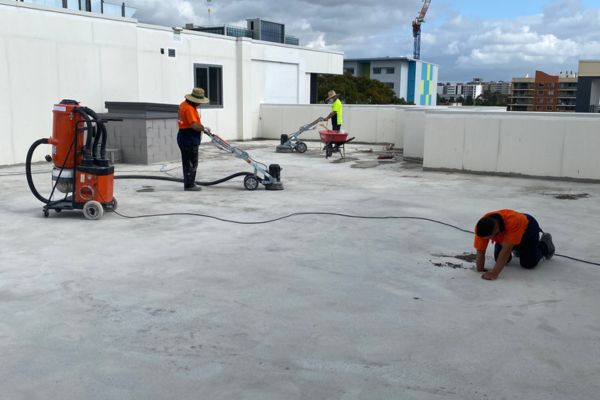
Concrete is one of the most durable construction materials, widely used in residential, commercial, and industrial structures. However, even the strongest concrete surfaces are not immune to wear and tear. Over time, joints between concrete sections can deteriorate, leading to cracks, water infiltration, and structural concerns. Addressing these issues early through proper concrete joint repair is essential to maintain durability and safety.
What Are Concrete Joints and Why Do They Matter?
Concrete joints are intentionally created gaps between slabs or sections of concrete. These joints allow for movement caused by temperature changes, moisture, and load stress. Without them, concrete would crack unpredictably due to expansion and contraction.
There are several types of concrete joints, including:
Expansion joints that accommodate movement
Control joints that guide cracking
Construction joints formed during different pouring stages
Each type plays a critical role in maintaining the integrity of a structure. However, when these joints become damaged or worn, they can compromise the performance of the entire surface.
Common Causes of Joint Damage
Concrete joints are exposed to various environmental and mechanical factors that contribute to their deterioration. Some of the most common causes include:
Weather exposure: Heat, rain, and temperature fluctuations cause materials to expand and contract repeatedly.
Water infiltration: Moisture entering the joints can weaken the surrounding concrete and lead to internal damage.
Heavy loads and traffic: Frequent pressure from vehicles or equipment can wear down joint materials.
Aging sealants: Over time, sealants lose flexibility and begin to crack or separate.
These factors are especially relevant in regions with varying climates, where environmental stress accelerates the deterioration process.
Signs That Repairs Are Needed
Recognizing early warning signs can help prevent more extensive damage. Some common indicators include:
Visible cracks or widening gaps between concrete sections
Loose or missing joint sealant
Water pooling or seepage around joints
Uneven or shifting slabs
Debris accumulation within joints
Ignoring these signs can lead to further structural issues, increasing the complexity and cost of repairs.
The Impact of Neglected Joint Damage
When damaged joints are left untreated, the consequences can go beyond surface-level problems. Water intrusion can weaken the foundation, leading to internal cracking and reduced load-bearing capacity.
Over time, this can result in:
Accelerated deterioration of concrete surfaces
Increased risk of structural instability
Growth of mold or mildew in damp areas
Higher long-term maintenance costs
Timely concrete joint repair helps prevent these issues and extends the lifespan of the structure.
Effective Repair Methods
Repairing concrete joints involves a systematic approach to ensure long-lasting results. The process typically includes:
1. Cleaning the Joint
All debris, old sealant, and contaminants are removed to create a clean surface for repair.
2. Installing Backer Rods
These are placed within the joint to control the depth of the sealant and improve flexibility.
3. Applying Flexible Sealants
Modern sealants, such as polyurethane or silicone-based materials, are used to accommodate movement and provide a watertight seal.
4. Crack Filling and Reinforcement
In cases where cracks extend beyond the joint, additional repair materials may be applied to restore strength.
5. Final Inspection
The repaired joint is checked to ensure proper sealing and durability.
Advanced techniques, such as epoxy injections or waterproof grouting, may also be used depending on the severity of the damage.
Benefits of Timely Repairs
Investing in early repairs offers several advantages:
Prevents water damage and structural weakening
Enhances the durability of concrete surfaces
Reduces long-term maintenance costs
Improves safety for pedestrians and vehicles
Maintains the overall appearance of the structure
Regular maintenance and inspections can help identify issues before they escalate, making repairs more manageable and cost-effective.
Preventive Measures for Long-Term Performance
Preventing joint damage is just as important as repairing it. Some practical steps include:
Conducting routine inspections of concrete surfaces
Replacing worn-out sealants periodically
Ensuring proper drainage to avoid water accumulation
Keeping joints clean and free from debris
Using high-quality materials during installation
These measures can significantly extend the life of concrete joints and reduce the need for frequent repairs.
Final Thoughts
Concrete joints are essential components that allow structures to adapt to movement and environmental changes. However, when these joints deteriorate, they can become a source of serious problems. Addressing issues promptly through effective concrete joint repair ensures that concrete surfaces remain strong, stable, and long-lasting.
By understanding the causes, signs, and repair methods, property owners can take proactive steps to protect their investments and avoid costly damage in the future.