


Where Design Meets Art: Exploring the World of Architecture Illustration Artists
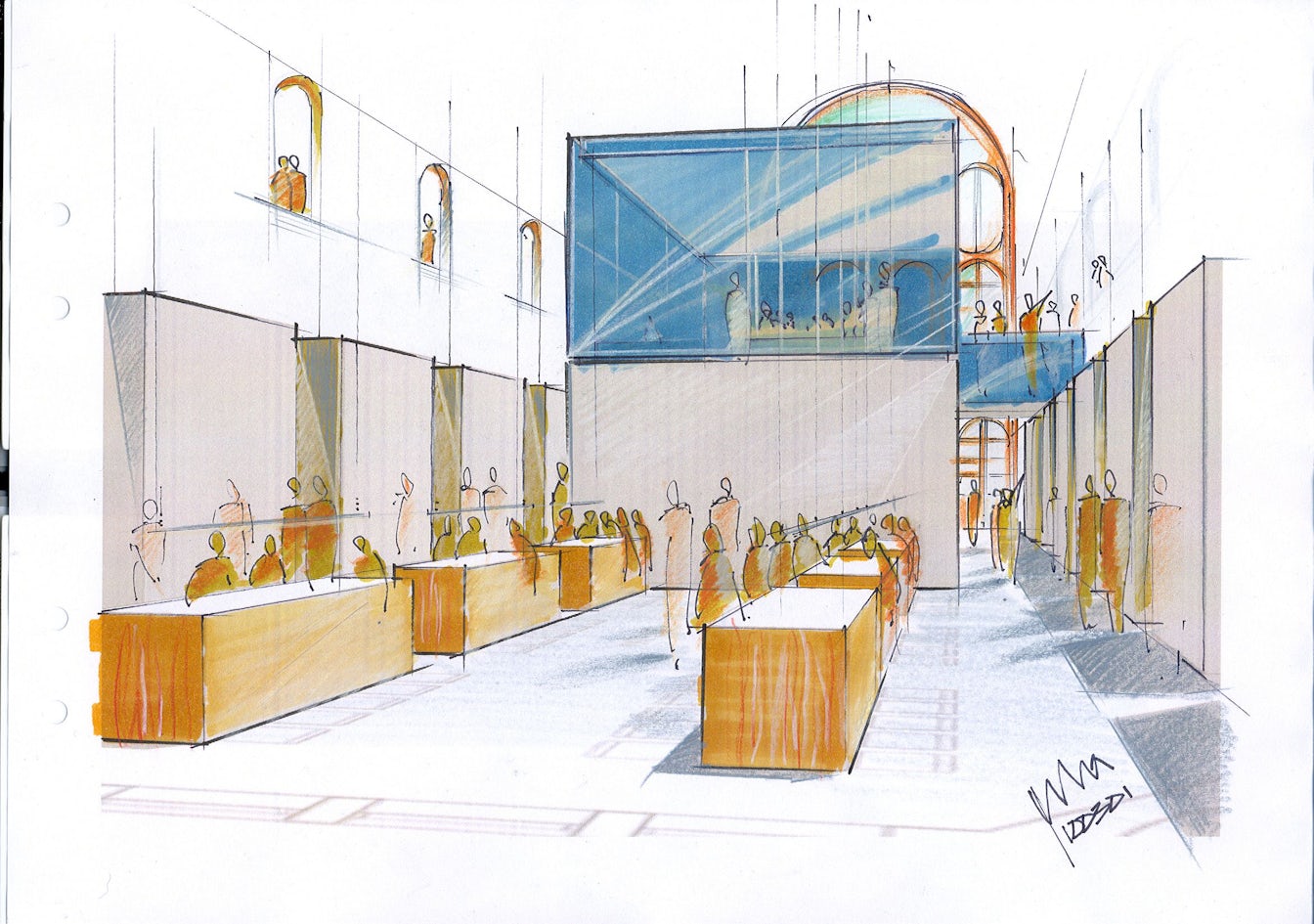
In the world of design and creativity, few professions combine technical precision with artistic imagination as seamlessly as architecture illustration artists. These individuals occupy a unique space where the structured discipline of architecture intersects with the expressive freedom of art. They don’t merely draw buildings — they visualize concepts, breathe life into designs, and communicate ideas that shape how we perceive spaces before they even exist.
The Intersection of Art and Architecture
Architecture has always been an art form, but architectural illustration takes it a step further. While architects focus on functionality, safety, and structure, illustrators translate those technical details into visual narratives. Their work captures not only the geometry of a building but also its atmosphere — how light filters through a window, how textures interact, and how people might feel in the space.
The essence of architectural illustration lies in storytelling. Every line, shade, and color helps tell the story of a place that is yet to be built or has existed for centuries. Whether it’s a futuristic skyscraper or a historic restoration, illustration bridges the gap between imagination and reality.
From Hand-Drawn Masterpieces to Digital Brilliance
Before computer graphics dominated design, architectural illustrations were painstakingly created by hand. Artists used pencils, ink, watercolor, and markers to craft detailed renderings of proposed structures. These illustrations weren’t just visual aids; they were pieces of art worthy of display.
Even in today’s digital era, hand-drawn techniques remain cherished for their warmth and authenticity. Many modern artists blend traditional methods with digital tools, creating hybrid works that balance precision with personality. Software like Adobe Photoshop, SketchUp, and Procreate allows artists to explore lighting, texture, and perspective in ways that were once unimaginable.
This fusion of old and new techniques showcases the evolving nature of the field. Whether through a finely inked pen sketch or a fully rendered digital model, architecture illustration artists continue to innovate, proving that artistry remains at the core of architectural visualization.
Why Architecture Illustration Matters
For architects, investors, and clients, architectural illustrations are far more than aesthetic additions. They serve as communication tools that transform technical plans into visuals that anyone can understand.
A beautifully illustrated concept can inspire confidence, attract investors, or even influence urban planning decisions. It’s one thing to read blueprints, but another to see the space as it could be — alive, dynamic, and tangible. That emotional connection can be the deciding factor in moving a project forward.
Moreover, illustration allows for creative freedom in exploring different design possibilities. Artists can experiment with various lighting scenarios, materials, and compositions to showcase multiple visions of the same structure. It’s both practical and poetic — serving the needs of the industry while celebrating creativity.
The Modern Role of Architecture Illustration Artists
In the contemporary design world, the role of architecture illustration artists has expanded beyond creating concept visuals. Today, they are storytellers, collaborators, and brand ambassadors. Their illustrations are used in portfolios, marketing materials, publications, and social media campaigns to convey a firm’s design philosophy.
Architectural firms often rely on illustrators to bring a human touch to otherwise technical presentations. These visuals evoke emotion and context — elements that computer-generated renders sometimes fail to capture. By blending accuracy with atmosphere, illustrators help potential clients connect with the feeling of a space rather than just its dimensions.
Furthermore, as cities continue to grow and evolve, illustrators are increasingly documenting architectural heritage. Through drawings and digital paintings, they preserve the legacy of structures that may be altered or demolished, creating visual archives for future generations.
Artistic Styles and Specializations
Architecture illustration is not a one-size-fits-all discipline. Each artist develops a distinctive style that reflects their perspective on space, light, and form. Some focus on photorealistic detail, creating images that could be mistaken for photographs. Others embrace abstraction, emphasizing the mood or movement of a building rather than its exact proportions.
Common styles include:
- Watercolor renderings – Soft, expressive, and ideal for conceptual presentations.
- Line art and ink sketches – Clean, detailed, and often used for technical yet artistic visuals.
- Digital paintings – Rich in color and depth, perfect for marketing and promotional purposes.
- Mixed-media works – Combining hand-drawn elements with digital enhancements for a balanced, contemporary look.
This diversity of styles allows architecture illustration artists to tailor their work to various audiences — from architects and developers to art enthusiasts and historians.
The Emotional Dimension of Architectural Illustration
What truly distinguishes architecture illustration from mere technical drawing is its emotional resonance. A successful illustration captures not only the structural form but also the soul of a design. It evokes curiosity, nostalgia, or awe — emotions that connect viewers to the idea of space as an experience.
For instance, a rendering of a cozy café might highlight the golden glow of evening light filtering through windows, while a sketch of a futuristic cityscape could emphasize sharp lines and metallic reflections. In both cases, the artist’s choices in composition, color, and atmosphere influence how we feel about the space.
Architectural illustration, therefore, is as much about empathy as it is about precision. Artists must understand how spaces affect human behavior and translate that understanding into visual form.
The Future of Architectural Illustration
As technology continues to advance, new tools are expanding the horizons of architectural illustration. Virtual reality (VR), augmented reality (AR), and 3D modeling software now allow artists to create immersive experiences. Viewers can “walk through” illustrated spaces, interacting with environments that exist only in the artist’s imagination.
However, despite the rise of these technologies, the human touch remains irreplaceable. The personal expression that comes from an artist’s hand — whether through brushstrokes or stylus — continues to be what sets architectural illustration apart from machine-generated imagery.
As sustainable design and urban regeneration become global priorities, the role of illustrators will grow even more vital. Their ability to communicate vision, beauty, and emotion ensures that architecture remains not just functional, but deeply human.
Conclusion
The world of architecture illustration artists is where design truly meets art — where precision aligns with creativity, and imagination brings spaces to life long before construction begins. These artists remind us that architecture is more than the sum of its materials; it is an expression of human culture, aspiration, and emotion.
Through their hands and minds, ideas become visuals, and visuals become inspiration. Whether through watercolor washes, inked blueprints, or digital renderings, architectural illustrators continue to shape how we dream, design, and ultimately, how we build the world around us.