

What Technologies Are Used in Smart Glass Products
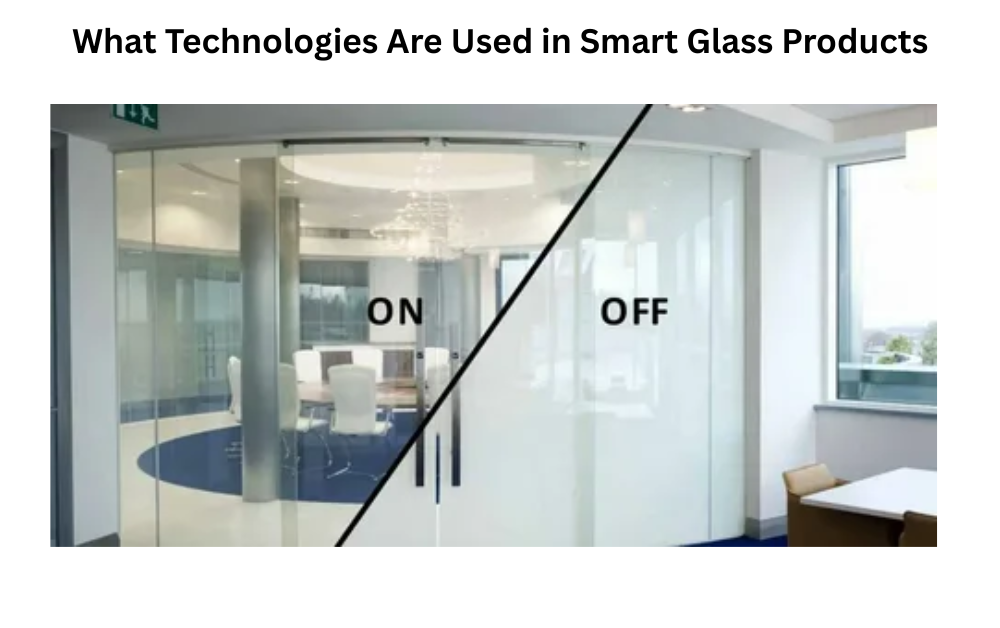
Smart glass is transforming modern architecture by providing a flexible, high-tech solution for windows, partitions, and facades. Unlike traditional glass, smart glass can change its transparency, tint, or opacity with the touch of a button, automatically based on sunlight, or even through a smartphone app. This makes it ideal for homes, offices, hotels, hospitals, and commercial buildings.
The secret behind smart glass lies in the advanced technologies used in its production. These technologies not only improve privacy and comfort but also help in energy savings and aesthetic appeal. In this blog, we will explore the main technologies used in smart glass products and how they work.
Note: Smart Glass Dubai provides advanced glass solutions that enhance privacy, energy efficiency, and modern aesthetics for homes, offices, and commercial buildings.
Electrochromic Technology
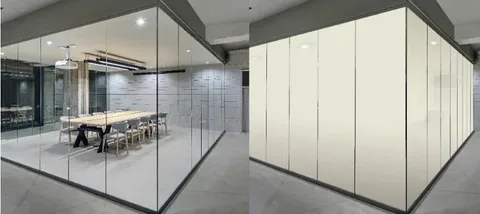
Electrochromic glass is one of the most widely used smart glass technologies. It allows users to change the tint of the glass using a small electric current.
How It Works
- Electrochromic glass contains multiple layers, including a special coating that reacts to electricity.
- When voltage is applied, the glass changes its color or tint gradually.
- Users can control the level of transparency according to their needs, either manually or through automated systems.
Advantages of Electrochromic Glass
- Offers precise control over light and glare
- Reduces energy consumption by blocking heat during hot weather
- Provides privacy without curtains or blinds
- Can be used in windows, facades, and skylights
Electrochromic glass is particularly useful for offices and high-rise buildings where controlling sunlight and glare is important.
Polymer Dispersed Liquid Crystal (PDLC) Technology
PDLC smart glass is another popular technology. It is often used for partitions, conference rooms, and bathrooms where instant privacy is needed.
How It Works
- PDLC glass consists of liquid crystals sandwiched between two layers of glass.
- When electricity is applied, the liquid crystals align and the glass becomes clear.
- When the power is off, the crystals scatter light, turning the glass frosted or opaque.
Advantages of PDLC Glass
- Provides instant privacy at the touch of a button
- Reduces glare while still allowing natural light to enter
- Offers modern aesthetics without the need for blinds or curtains
- Ideal for office partitions, meeting rooms, and residential spaces
PDLC technology is known for its fast switching speed, making it a practical choice for dynamic spaces.
Thermochromic Technology
Thermochromic smart glass changes its tint automatically based on temperature or sunlight. It does not require electricity, making it energy-efficient and self-regulating.
How It Works
- Thermochromic glass has materials embedded that react to heat or UV rays.
- When the temperature rises, the glass darkens to block sunlight and reduce heat.
- When it cools down, the glass becomes clear, allowing more light in.
Advantages of Thermochromic Glass
- Energy-efficient as it reduces the need for air conditioning
- Automatically adjusts to changing sunlight and temperature
- Provides glare control without manual intervention
- Can be used in residential and commercial buildings for sustainable design
Thermochromic glass is a low-maintenance and eco-friendly option for buildings that prioritize energy savings.
Suspended Particle Device (SPD) Technology
SPD smart glass is less common but highly effective for controlling light and heat.
How It Works
- SPD glass contains particles suspended in a liquid film between glass layers.
- When voltage is applied, the particles align, and the glass becomes clear.
- When the power is off, the particles scatter light, turning the glass opaque.
Advantages of SPD Glass
- Provides precise control over light and privacy
- Works quickly, offering almost instant switching
- Reduces heat and glare effectively
- Suitable for offices, vehicles, and high-end residential spaces
SPD technology offers a balance between privacy, comfort, and energy efficiency.
Integration with Smart Systems
Modern smart glass products can be integrated with home automation and building management systems.
How Integration Works
- Smart glass can be controlled via smartphone apps, voice commands, or timers.
- Sensors can automatically adjust transparency based on sunlight, temperature, or occupancy.
- Integration allows scheduling, energy optimization, and remote control.
Benefits of Integration
- Provides convenience and flexibility for users
- Enhances energy savings by automating light and heat control
- Improves overall comfort in homes and offices
- Offers futuristic and modern solutions for building management
Applications of Smart Glass Technologies
Smart glass technologies are versatile and can be applied in multiple ways:
Residential Buildings
- Bathrooms and bedrooms for privacy
- Living rooms and skylights for light control
- Home offices for glare reduction
Commercial Buildings
- Office partitions and conference rooms
- Facades to reduce energy costs
- Hotels and restaurants for modern aesthetics
Other Applications
- Hospitals for patient privacy
- Vehicles for sun control and comfort
- Airports and public buildings for energy efficiency
Each technology can be chosen based on the specific needs of the building and user preferences.
Conclusion
Smart glass products use advanced technologies such as electrochromic, PDLC, thermochromic, and SPD to provide flexible, energy-efficient, and aesthetically pleasing solutions for modern buildings. These technologies allow users to control light, privacy, glare, and temperature, improving comfort and reducing energy costs.
Whether for homes, offices, or commercial spaces, smart glass technologies enhance the user experience and bring futuristic design to everyday life. By understanding these technologies, building owners and designers can make informed choices to create modern, sustainable, and comfortable environments.
For more insightful articles related to this topic, feel free to visit: viewpen.online