What Is MIM Feedstock? Composition, Process & Applications Explained
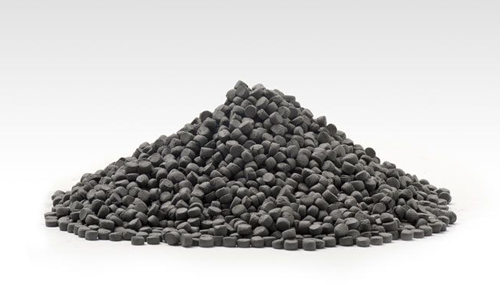
Metal Injection Molding (MIM) has become a preferred manufacturing process for producing complex, high-precision metal components at scale. At the heart of this process lies a critical material, MIM feedstock. For manufacturers and industrial buyers, understanding its composition, processing, and applications is essential for achieving consistent quality and performance.
What Is MIM Feedstock?
MIM feedstock is a carefully engineered mixture of fine metal powders and a binder system. This combination allows the material to be molded like plastic while retaining the strength and properties of metal after processing.
The quality of feedstock directly impacts the final product’s strength, accuracy, and surface finish. That’s why choosing the right MIM feedstock supplier is crucial for maintaining production consistency.
Composition of MIM Feedstock
MIM feedstock typically consists of two primary components:
Metal Powder
- Makes up around 60–70% of the feedstock
- Includes materials like stainless steel, titanium, or low-alloy steel
- Determines the mechanical properties of the final part
Binder System
- Comprises polymers, waxes, and additives
- Provides flowability during injection molding
- Helps maintain shape before the sintering stage
A reliable MIM feedstock manufacturer ensures the right balance between powder and binder, which is essential for smooth processing and defect-free parts.
MIM Process Explained
The journey from feedstock to finished metal component involves several key steps:
1. Injection Molding
The MIM feedstock is heated and injected into molds to form the desired shape, similar to plastic injection molding.
2️. Debinding
The binder is removed through thermal or chemical processes, leaving behind a porous metal structure.
3️. Sintering
The component is heated at high temperatures, causing metal particles to fuse together and achieve near-full density.
This process allows manufacturers to produce complex geometries with high precision and minimal material waste.
Applications of MIM Feedstock
MIM technology is widely used across industries that require precision and scalability:
- Automotive: Gears, fuel system parts, and sensors
- Medical: Surgical instruments and implants
- Aerospace: Lightweight, high-strength components
- Electronics: Connectors and micro components
- Industrial tools: Wear-resistant parts
The versatility of MIM feedstock makes it ideal for producing intricate parts that would be difficult or costly with traditional machining.
Benefits for Manufacturers
High Precision & Complexity
MIM allows the production of intricate designs with tight tolerances.
Cost Efficiency in Mass Production
Reduces material waste and machining costs, especially for large volumes.
Superior Material Properties
Final parts offer excellent strength, density, and durability.
Consistency & Repeatability
Using high-quality feedstock ensures uniform production outcomes.
Choosing the Right MIM Feedstock Supplier
Selecting a dependable MIM feedstock supplier is critical for long-term success. Key factors to consider include:
- Consistent material quality and formulation
- Technical expertise and customization capabilities
- Reliable supply chain and delivery timelines
- Compliance with industry standards
A trusted supplier not only provides high-quality MIM feedstock but also supports process optimization and product development.
Final Thoughts
MIM feedstock is the foundation of the Metal Injection Molding process, enabling manufacturers to produce complex, high-performance metal components efficiently. From its precise composition to its role in advanced manufacturing, feedstock quality directly impacts productivity and product reliability.
For businesses aiming to scale production while maintaining quality, partnering with the right MIM feedstock supplier is a strategic advantage that drives long-term success.