

What Are the Common Signs That Your AC Needs Immediate Repair?
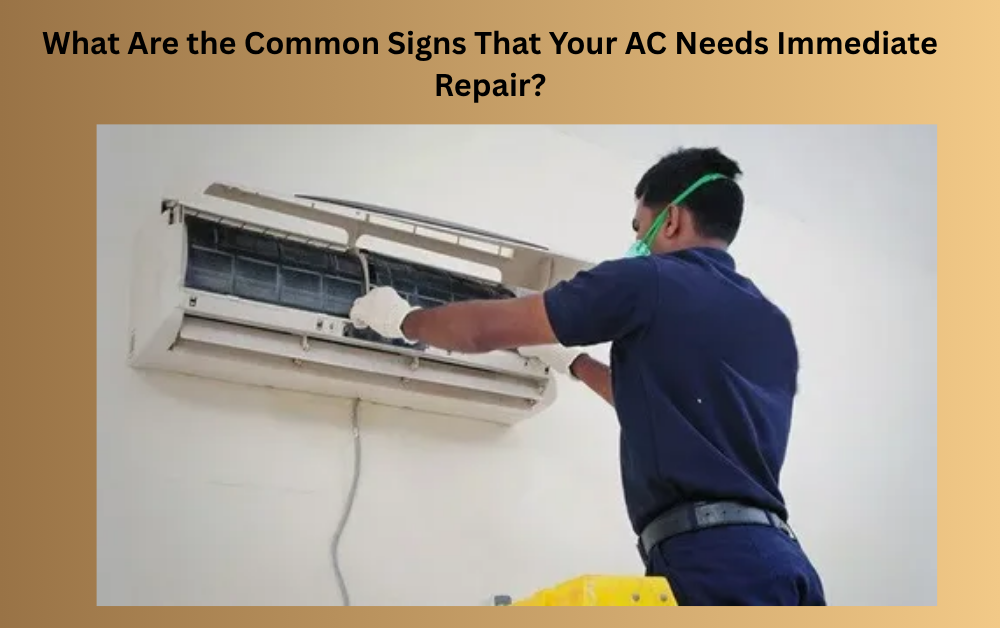
Air conditioners have become a necessary part of our daily lives, especially in places where the weather stays hot for most of the year. A working AC keeps your home cool, makes you comfortable, and even improves air quality. But just like any other machine, an air conditioner can face problems over time. Many people ignore small signs of trouble, thinking it’s normal, until the AC suddenly stops working on the hottest day.
Understanding the early signs that your AC needs repair can save you from stress, discomfort, and high costs later. In this blog, we will discuss the common signs that your air conditioner needs immediate repair, why they happen, and what you can do to fix them in time.
Note: Professional AC repair & maintenance services in Dubai ensure your cooling system runs efficiently, reduces energy costs, and keeps your home comfortable all year round.
Why Regular AC Maintenance Is So Important

Before we talk about the warning signs, it’s good to understand why regular maintenance is essential. Your AC system works hard every day. It collects dust, faces heat, and uses a lot of electricity. Without regular checkups, small issues can turn into major problems that may require expensive parts or even full replacement.
Regular AC maintenance helps:
- Improve cooling performance
- Reduce energy bills
- Extend the life of your system
- Prevent sudden breakdowns
- Maintain healthy indoor air quality
If you notice any unusual behavior from your AC, it’s better to call a professional technician immediately. Early detection often means simple and low-cost repairs.
Weak or Uneven Cooling
One of the first and most common signs of AC trouble is weak or uneven cooling. You may notice that some rooms are cooler than others or that your AC is not cooling as well as it used to.
Why it happens:
- Dirty air filters blocking airflow
- Low refrigerant levels
- Problems with the compressor
- Leaking ducts or poor insulation
When airflow is restricted or the refrigerant is low, your AC must work harder to reach the desired temperature. This extra strain increases electricity usage and shortens the unit’s life.
What to do:
Check and clean the air filters regularly. If the problem continues, call an AC repair professional to inspect the refrigerant and internal components. Ignoring this issue can cause further damage to your compressor.
Strange or Unusual Noises
A healthy air conditioner runs quietly, except for a gentle hum. If you hear strange sounds like banging, grinding, rattling, or screeching, it’s a clear sign something is wrong.
Why it happens:
- Loose or broken parts inside the unit
- Fan or motor problems
- Issues with the compressor
- Debris stuck in the outdoor unit
Each noise has a meaning. A banging sound may indicate loose parts, while a squealing sound can mean a worn-out belt. Ignoring these sounds could lead to more serious damage.
What to do:
Turn off the unit immediately and contact a technician. The earlier you fix it, the more you’ll save on repairs.
Warm Air Coming from the Vents
If your AC is blowing warm or hot air instead of cool air, that’s a serious sign something isn’t right.
Why it happens:
- Low refrigerant
- Compressor failure
- Thermostat malfunction
- Blocked airflow
This issue can make your home uncomfortable and cause your AC to consume more energy without giving the desired cooling.
What to do:
Check if your thermostat is set to cooling mode and at the right temperature. If it is, and warm air continues, call an AC technician to inspect refrigerant levels and internal components.
Frequent On and Off Cycling
Does your AC turn on and off too often? That’s called short cycling, and it’s not normal.
Why it happens:
- Dirty air filters
- Incorrect thermostat placement
- Low refrigerant
- Oversized or undersized AC unit
Short cycling means your system is working too hard, leading to higher bills and quicker wear and tear.
What to do:
Clean or replace filters and check thermostat settings. If the problem continues, an HVAC expert can find the root cause.
Water Leaks Around the AC Unit
Seeing water or moisture around your air conditioner is another warning sign. While a small amount of condensation is normal, noticeable leaks are not.
Why it happens:
- Blocked or damaged drain pipe
- Frozen evaporator coil
- Low refrigerant levels
Water leaks can damage walls, floors, and furniture and may also cause mold growth, which is bad for your health.
What to do:
Turn off your AC and contact a technician. They will clean the drainage line and check for any refrigerant issues.
Bad or Unpleasant Smells
If you notice strange odors when your AC is running, don’t ignore them. Foul smells are a clear sign that your system needs cleaning or repair.
Why it happens:
- Mold or bacteria buildup in the ducts or evaporator coils
- Burnt wiring or electrical problems
- Dead insects or animals inside the unit
Unpleasant smells can make your indoor air unhealthy and uncomfortable.
What to do:
Call a technician for a deep cleaning or duct inspection. Using an air freshener won’t solve the real problem.
Increased Electricity Bills
If your electricity bill suddenly goes up even though your AC usage hasn’t changed, that’s another strong signal of trouble.
Why it happens:
- Dirty filters or blocked airflow
- Faulty thermostat
- Worn-out motor or fan
- Low refrigerant
When your AC isn’t running efficiently, it uses more power to produce the same cooling effect.
What to do:
Schedule a maintenance visit to find and fix the issue early. A small repair now can save you from paying high bills every month.
Unresponsive Thermostat
Sometimes, the problem isn’t with the AC unit but with the thermostat that controls it.
Signs of a faulty thermostat:
- AC doesn’t turn on or off properly
- The temperature setting doesn’t match the room temperature
- Some rooms stay too warm or too cold
Why it happens:
- Battery issues
- Old or broken thermostat
- Faulty electrical connections
What to do:
Try replacing the batteries first. If that doesn’t work, call a technician to test and, if needed, replace the thermostat.
Weak or Low Airflow
If air is barely coming out of the vents, even when the AC is on full power, that’s a clear sign of an issue.
Why it happens:
- Clogged filters
- Damaged fan motor
- Problems in the ductwork
Weak airflow can make your AC work much harder and lead to uneven cooling.
What to do:
Clean or replace filters and make sure vents are open. If airflow still feels weak, a technician can check for duct leaks or motor problems.
Frozen Evaporator Coil
A frozen coil can make your AC stop cooling properly or cause water leaks when it melts.
Why it happens:
- Restricted airflow
- Low refrigerant levels
- Dirty coils
When air cannot move freely, the coil temperature drops too low, causing ice to form.
What to do:
Turn off the AC to let the coil thaw naturally and call a technician to clean the system and check refrigerant pressure.
Strange Odors During Operation
If you smell something burning or musty, your AC may have electrical issues or mold inside.
Why it happens:
- Burnt wiring or insulation
- Moisture buildup in ducts
- Mold or bacteria in the drain pan
What to do:
Stop using the AC until it’s checked by a technician. Breathing in air from a moldy or burnt system can be harmful to health.
The AC Runs Constantly Without Cooling
If your AC never turns off but still fails to cool the room, there’s likely a serious problem.
Why it happens:
- Low refrigerant
- Dirty condenser coils
- Malfunctioning compressor
- Faulty thermostat
What to do:
Get the system inspected. Running your AC constantly can overheat the components and increase electricity costs.
When to Call a Professional
While you can clean filters and vents yourself, major issues should always be handled by certified AC technicians. Professional help ensures your system is repaired safely and properly.
Call a professional if you notice:
- Persistent warm air
- Unusual sounds or smells
- Frequent tripping of circuit breakers
- Visible leaks
- Ice buildup
A trained technician can perform a complete inspection, identify the root cause, and suggest the best solution.
Tips to Prevent AC Problems
You can reduce the chances of sudden AC issues with a few simple maintenance habits:
- Clean or replace air filters every 1–2 months.
- Keep outdoor units free of dust and debris.
- Schedule professional servicing twice a year.
- Avoid overusing the AC at the lowest temperature setting.
- Check for airflow from all vents regularly.
These small steps go a long way in keeping your system healthy and efficient.
Conclusion
Your air conditioner works hard to keep you comfortable, but it also needs care in return. Ignoring the warning signs can lead to major breakdowns, expensive repairs, or even the need for a complete replacement.
By paying attention to early signs like weak airflow, unusual sounds, leaks, or higher energy bills, you can take action before problems get worse. Regular maintenance and timely repair not only save you money but also make your AC last longer and perform better.
If your AC shows any of these signs, don’t wait — call a professional AC repair and maintenance service right away. A quick inspection today can save you from a costly replacement tomorrow and keep your home cool and comfortable all year long.
For more insightful articles related to this topic, feel free to visit: viewpen.online