


What A Beauty App Can Realistically Show Versus What It Cannot
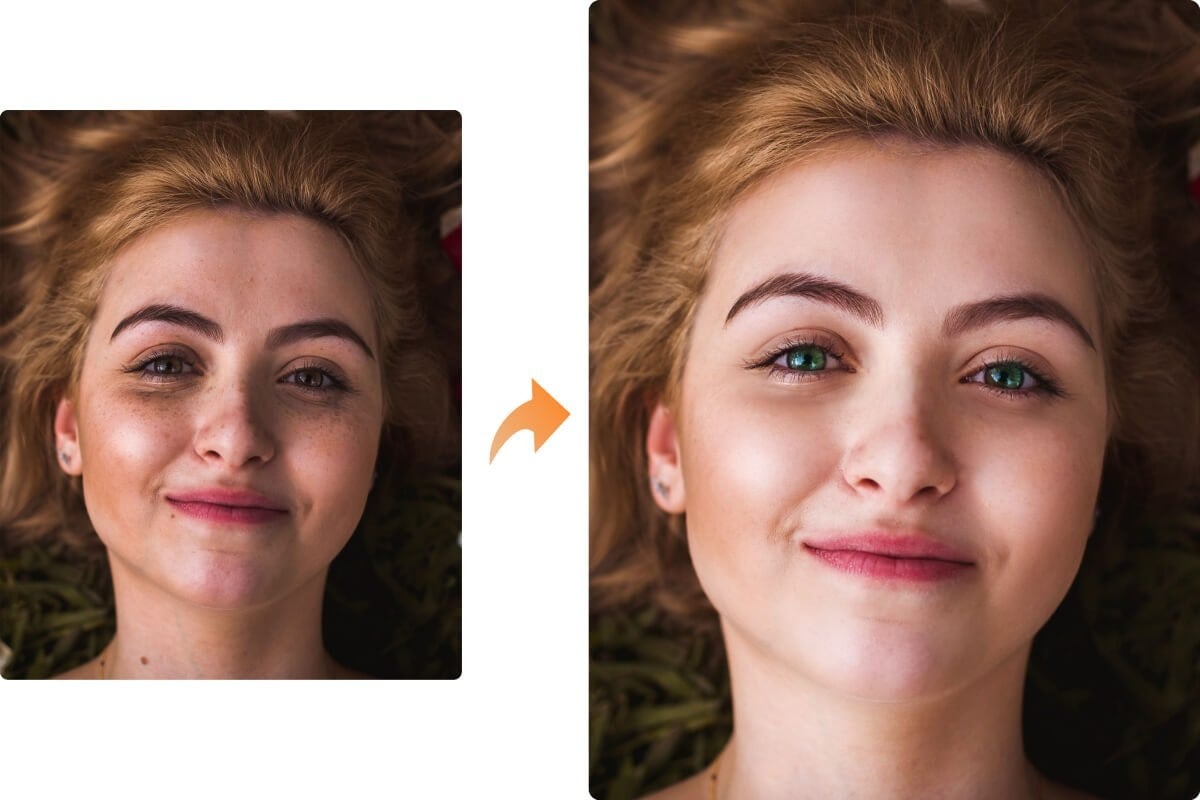
A beauty app promises quick insight into how particular looks, styles, or changes might appear on a real face. For many users, this creates excitement, but it also sets expectations. When those expectations align with what the app can realistically show, the experience feels helpful. When they do not, disappointment follows. Understanding what a beauty app can and cannot accurately represent helps users interpret results with more clarity and confidence.
Most users do not think about technical limits when opening an app. They simply want previews that feel believable and relevant to their own appearance. The challenge lies in separating realistic visualization from assumptions that digital tools can fully replace real-world outcomes.
What a Beauty App Can Show Accurately
A beauty app is most effective at visual approximation. It can simulate how colors, placement, and proportions might look on a face under ideal conditions. Makeup previews, for example, can show how a shade interacts with general skin tone, how eyeliner changes eye shape, or how blush placement alters balance across the face.
Facial mapping enables many apps to anchor effects to key landmarks such as the eyes, lips, and cheekbones. When tracking works well, users see makeup move naturally with expressions. This creates a sense of realism that helps users explore styles safely and privately. A beauty app can also support comparison. Switching between looks, adjusting intensity, or testing variations helps users identify preferences. These moments of exploration are where apps provide the most value.
Where Realism Begins to Break Down
Despite improvements, beauty apps cannot fully replicate real skin, lighting, or physical texture. Digital previews often smooth pores, flatten depth, or simplify shadows. While this can make images look polished, it can also remove details that matter in real life.
Lighting is another limitation. Even advanced apps struggle to adjust effects dynamically when lighting changes. A look that appears balanced in one setting may not translate the same way under different light sources. Movement introduces further challenges. Smiling, turning the head, or subtle expressions can cause misalignment or lag. When this happens, users quickly notice that the preview is an approximation rather than a perfect representation.
The Gap Between Preview and Reality
Many users expect a beauty app to predict outcomes with high precision. In reality, apps are best at suggesting, not at certainties. Digital results show how something might look, not how it will look after real application. These previews serve as visual references rather than promises, helping users explore possibilities rather than deliver exact outcomes.
This gap becomes clear when users interpret previews as guarantees. Makeup texture, product formulation, skin condition, lighting, and application technique all affect real results in ways an app cannot fully simulate. When users treat previews as inspiration rather than instruction, satisfaction increases. When they expect exact replication, frustration becomes more likely, and trust declines quickly over repeated use and comparisons.
What Users Should Trust and What They Should Question
1. Users can generally trust relative changes. Beauty apps reliably show differences between light and bold looks, subtle and dramatic placement, or warm versus cool tones. These comparisons help users narrow preferences and understand how certain styles shift overall balance on their face, even if fine details vary in real life.
2. Users should question exactness. Fine texture, wear over time, lighting changes, and interaction with real products remain outside the app’s control. Recognizing this boundary allows users to extract value without disappointment or unrealistic expectations. Understanding these limits does not reduce usefulness. Instead, it reframes the beauty app as a supportive visual guide rather than a precise predictor, leading to more confident and informed exploration.
Conclusion
A beauty app can offer meaningful visual guidance, inspiration, and experimentation. It can help users explore styles, understand proportions, and preview general effects. What it cannot do is fully replicate reality in every detail, especially when real-world variables constantly change. When users recognize this distinction, trust grows. Realistic expectations turn digital previews into helpful tools rather than sources of confusion. The most satisfying beauty app experiences happen when users see them for what they are: smart visual guides, not final answers for real-world application.