Warning Signs Your Septic Tank May Need Repairs
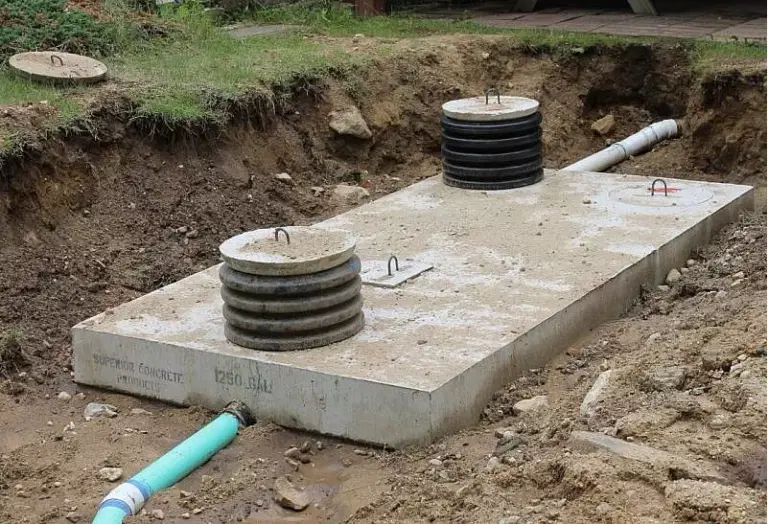
Septic problems rarely announce themselves clearly. They hint, pause, and then worsen when ignored. Most systems show early signals that feel unrelated at first, which is why repairs are often delayed longer than they should be. Recognizing those signals early changes the outcome completely.
This guide focuses on what appears before failure, not after it.
The House Starts Acting Differently All at Once
A septic issue often reveals itself through small changes happening together. Water drains slightly slower in more than one room. Toilets behave differently than they did last month. These changes feel subtle, but patterns matter.
When multiple fixtures stop behaving normally within a short time, the system below is usually struggling to keep up. This stage is critical because damage is still limited and repair options are wider.
Sounds That Were Never There Before
Gurgling is not normal, even if it fades quickly. Strange sounds inside pipes suggest air is being pushed where water should flow freely. That imbalance points to resistance somewhere in the system.
These noises often appear before any visible backup. Treating them as early warnings prevents pressure from building further inside the tank and lines.
Odors That Come and Go Without Explanation
Septic smells do not always linger. Sometimes they appear briefly and disappear, which causes people to dismiss them. That inconsistency is exactly what makes them dangerous.
Intermittent odors usually mean gases are escaping through weak points that open and close depending on pressure. This stage indicates internal components may already be compromised.
Ground Conditions That Feel Slightly Off
The yard above a septic system tells stories quietly. Soil that stays damp longer than surrounding areas suggests liquid is escaping where it should not. Grass that grows faster in a narrow path often follows underground flow lines.
These signs rarely appear overnight. They develop gradually, which makes them easy to ignore until saturation becomes obvious.
Water Levels That Do Not Match Usage
A system under stress often reacts poorly to normal water use. One shower feels fine. Two in a row create problems. Laundry suddenly affects toilet performance.
This mismatch between usage and response signals that the tank or drain field is no longer processing waste efficiently. Repairs at this stage usually involve correction rather than replacement.
Seasonal Changes That Trigger Problems
Some septic systems only struggle during specific seasons. Heavy rain, freezing temperatures, or dry spells can push a weakened system past its limit. When issues repeat every year, the cause is structural, not temporary.
Repair services evaluate how weather interacts with soil, tank condition, and drainage. Addressing these stress points prevents recurring seasonal failures.
Interior Backups That Resolve Themselves
Temporary backups are often ignored because they disappear. Water rises briefly, then drains. Toilets hesitate, then flush normally again. These moments feel random, but they are warnings.
Self-resolving backups mean pressure is building and releasing unpredictably. That instability accelerates wear inside the system and shortens the time before full failure.
Cracks That Stay Hidden Underground
Most tank damage is invisible from the surface. Small fractures leak slowly, allowing liquid to escape while solids remain behind. Over time, this imbalance disrupts bacterial activity and capacity.
Professionals identify these issues using internal inspections rather than guesswork. Sealing damage early prevents contamination and structural collapse.
When Pumping Stops Solving the Problem
Routine pumping should restore balance temporarily. When it does not, something deeper is wrong. If problems return quickly after pumping, internal flow or containment has already been compromised.
At this stage, services such as Septic Tank Repair Service in Calgary, AB focus on isolating damaged components rather than repeating maintenance that no longer works.
The Cost of Waiting Past the Warning Stage
Delaying repairs allows small issues to interact and multiply. Escaping liquid weakens soil. Misaligned pipes stress tank walls. Clogged outlets overload drain fields.
Repairs done early are targeted and controlled. Repairs done late are disruptive and expensive. Timing matters more than most people realize.
Repairs That Restore Balance Instead of Replacing Systems
Not every warning sign leads to replacement. Most point to specific failures that can be corrected. Replacing a baffle, sealing a crack, or correcting flow restores function without rebuilding the system.
This precision is why professional repair matters. Accurate diagnosis prevents unnecessary work and preserves usable components.
Why Ignoring Early Signs Shortens System Life
Every septic system has a lifespan, but neglect shortens it dramatically. Systems fail faster when early warnings are dismissed as minor inconveniences.
Responding early extends system life, protects surrounding land, and prevents emergency scenarios that disrupt daily living.
When Normal Returns, the System Disappears Again
A properly repaired septic system does not draw attention. Drains behave normally. Odors vanish. The yard dries evenly. Nothing feels unusual anymore.
That absence of problems is the true sign of a successful repair. Recognizing warnings early is what allows repairs to remain simple and effective.