

Top Mistakes to Avoid During Underground Plumbing Projects
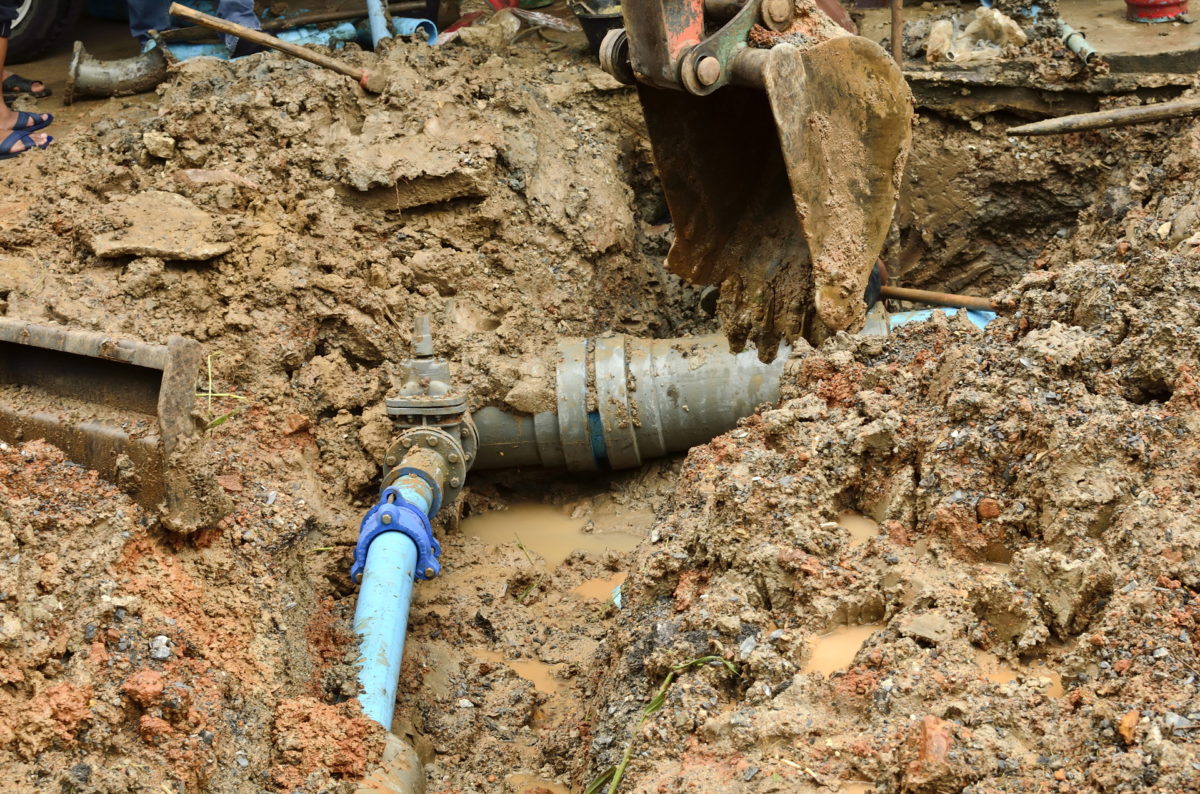
Underground plumbing systems play a crucial role in any building’s foundation, ensuring proper water supply, drainage, and waste management. However, because these systems are hidden below ground, even small errors during installation or excavation can lead to major long-term issues. From leaks and flooding to structural damage, these mistakes often result in expensive repairs and project delays.
In this guide, we’ll explore some of the most common mistakes made during underground plumbing projects and how to avoid them. Understanding these pitfalls will help property owners, contractors, and builders complete projects safely, efficiently, and within budget.
Ignoring Proper Site Assessment
Before any digging begins, conducting a thorough site assessment is critical. One of the biggest mistakes in underground plumbing is skipping soil evaluation and utility checks. Without understanding what lies beneath the surface, workers risk damaging existing cables, pipes, or gas lines which can be dangerous and costly to fix.
Professional site analysis also determines the best layout for water and sewer lines, ensuring stability and efficient water flow. This is where Drainage Excavation comes into play. Proper excavation helps create a safe and accessible trench system that supports long-term performance and prevents future flooding or pipe failure. By investing in careful planning and assessment early, you can save significant time and money later in the project.
Using Low-Quality or Incorrect Materials
Choosing the wrong type of pipe or fittings can be disastrous. Not all materials are suited for underground use, especially in areas with high soil moisture or pressure variations. For example, cheap PVC pipes may crack under heavy loads, while poor-quality joints can leak over time.
Always consult a qualified plumber or contractor to determine the right materials whether it’s copper, PVC, or HDPE. Using durable, weather-resistant materials ensures your system can handle long-term wear and tear without frequent repairs. In addition, ensure all products comply with local plumbing standards to avoid future regulatory issues.
Skipping Professional Excavation Services
Some property owners attempt DIY excavation to cut costs, but this often backfires. Without the right equipment and expertise, improper digging can damage underground infrastructure or lead to uneven trenches that compromise pipe alignment.
Professional contractors specialize in precision and safety. They use modern machinery and trained operators to dig accurately and efficiently. Expert teams specializing in Drainage Excavation understand how soil conditions, slope, and depth affect drainage systems. Their experience ensures that each trench is properly graded and that pipes are laid securely to prevent future blockages or collapses. Investing in professionals reduces risks, ensures compliance, and improves the longevity of your plumbing system.
Poor Drainage Planning
An often-overlooked issue in underground plumbing is improper drainage planning. Without correct slope and flow design, water can stagnate or flow back toward the foundation, leading to erosion, leaks, or basement flooding.
Engineers calculate the slope based on the size and distance of the drainage system, ensuring water moves freely through pipes. Poor planning at this stage can lead to extensive rework and expensive drainage corrections later. Always confirm that the design accounts for rainwater management, natural ground levels, and future expansion.
Neglecting Safety Regulations and Permits
Every excavation and plumbing project must comply with local safety laws and construction codes. Ignoring permit requirements or safety measures can lead to legal penalties, project shutdowns, and hazardous work conditions.
Professional contractors are trained to follow these regulations. They obtain the necessary approvals, mark utility zones, and ensure that the excavation process adheres to occupational safety standards. Proper documentation also helps avoid liability in case of on-site accidents or disputes.
Failing to Test the System Before Backfilling
Testing the plumbing system before backfilling is an essential step that should never be skipped. Pressure and leak testing ensure the system functions correctly under operational conditions. If problems are found after the trenches are filled, the cost and effort of repairs increase dramatically.
Professionals specializing in Drainage Excavation always perform thorough system tests before sealing the trenches. They check for pressure drops, leakage, and connection integrity. This final inspection provides confidence that the plumbing network will perform efficiently once operational.
Best Practices to Ensure Project Success
Avoiding these common mistakes begins with preparation and expertise. Here are a few best practices:
- Plan ahead: Conduct site surveys, soil tests, and system design reviews.
- Hire experts: Work with certified plumbers and licensed excavators for guaranteed quality.
- Use premium materials: Select pipes and fittings that meet local standards and environmental conditions.
- Follow safety rules: Always secure the site with fencing, signage, and personal protective equipment.
- Test everything: Conduct flow and pressure tests before closing the trenches.
These steps not only reduce risk but also extend the lifespan of your plumbing infrastructure.
Conclusion
Underground plumbing projects demand precision, compliance, and professional handling. Small oversights during the excavation or installation stages can create major issues in the future. By understanding and avoiding these common mistakes such as poor planning, using substandard materials, or skipping safety protocols you ensure a smoother, safer, and more cost-effective project.
Working with experienced contractors and maintaining quality at every stage guarantees long-term results and peace of mind. The success of your underground plumbing system ultimately depends on the care and expertise applied during its installation.
