Time Tracking Software for Creative Teams: Balancing Flexibility & Structure
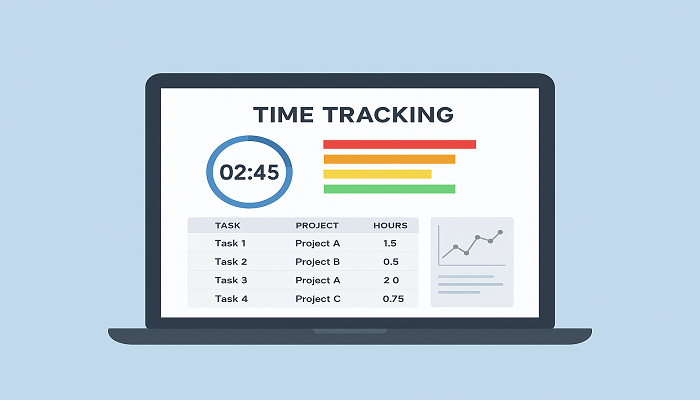
Creative teams thrive on imagination, fluid collaboration, and bursts of inspiration that don’t always follow predictable schedules. Yet, in a fast-paced environment with multiple projects, tight deadlines, and clients expecting detailed estimates, tracking time becomes essential. The challenge for creative professionals is finding the right balance—maintaining structure without stifling creativity. That’s where modern time tracking software comes in.
Time tracking isn’t about monitoring every second or restricting creative flow. Instead, it provides clarity: What tasks take the longest? When is your team most productive? Are client budgets being used wisely? With the right tool, time tracking supports creativity instead of limiting it.
Why Creative Teams Need Time Tracking
Creative projects often shift in scope, evolve based on feedback, or require spontaneous brainstorming and revisions. Without visibility, planning and resource allocation become guesswork. Time tracking helps ensure that projects stay on track financially and that workloads are distributed fairly.
For agencies juggling multiple clients, accurate time logs support billing transparency. For in-house creative teams, time data helps justify budgets and demonstrate value to stakeholders. And for freelancers, it ensures every minute of effort gets the compensation it deserves.
Flexibility: Letting Creativity Flow
Rigid time-tracking tools can frustrate creatives. The best software supports an adaptable workflow. Features like one-click timers, mobile apps, and offline logging match how creative work actually happens. Inspiration doesn’t always strike between 9 and 5, and great ideas can spark mid-commute or during coffee breaks.
Many creative teams also benefit from task-based tracking. Instead of forcing creatives to follow strict hourly schedules, flexible tools allow them to log time based on goals: drafting, designing, researching, editing, or brainstorming. This keeps the process intuitive rather than intrusive.
Structure: Bringing Clarity and Accountability
Structure doesn’t have to feel restrictive. When applied strategically, structure helps creative teams perform at their best.
Time tracking software provides measurable insights into productivity and project health. Managers can see real-time progress, identify bottlenecks, and plan deadlines with more accuracy. Teams can assess how much energy specific tasks require and adjust workloads to avoid burnout.
Structured time tracking also supports long-term planning. If designing a brand identity takes 45 hours instead of 20, future proposals become more accurate. It prevents undercharging clients and protects teams from rushed timelines.
Collaboration Built Into the Process
Creative projects rarely happen in isolation. Designers, writers, marketers, and editors must sync their work. Many time tracking solutions include shared dashboards, comments, and reports, keeping communication transparent. Everyone understands where the project stands and what comes next.
Finding the Right Balance
The key is choosing software designed with creatives in mind—tools that make logging time easy, insightful, and adaptable. The best systems blend structure with freedom: enough flexibility to accommodate varying workflows, and enough structure to deliver reliable data.
Time tracking isn’t about policing productivity. It’s about empowering creative teams to do their best work—supported, informed, and confident in every hour they invest.