The Ultimate Guide to Strong and Healthy Liver Function
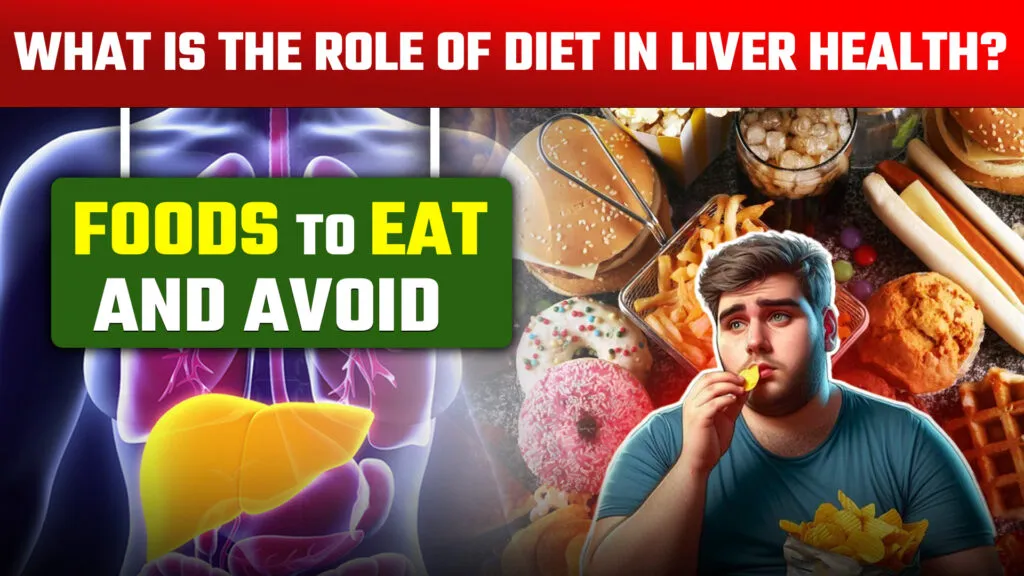
The liver is one of the body’s most powerful and hardworking organs. Often referred to as a natural filter, it plays a vital role in cleansing toxins, breaking down food, and supporting vital processes that keep us alive and thriving. Despite its importance, the liver doesn’t always get the attention it deserves until problems begin to show.
Caring for liver health is essential because this organ directly influences digestion, metabolism, immunity, and energy levels. By learning how the liver functions and what it needs to stay healthy, you can protect it and enjoy better overall wellness.
Why the Liver Is So Important
The liver is located in the upper right side of the abdomen, and it performs more than 500 different functions. Among the most essential roles are:
- Detoxification: The liver removes harmful toxins, alcohol, and chemicals from the blood.
- Nutrient Storage: It stores vitamins, minerals, and glycogen (a form of energy) for later use.
- Digestion Support: Produces bile, which helps break down fats and absorb nutrients.
- Regulating Metabolism: Helps process carbohydrates, fats, and proteins for energy and repair.
- Blood Health: Plays a role in blood clotting and hormone regulation.
Because it handles so much, even small issues with the liver can create big impacts on general health.
Warning Signs of Poor Liver Health
The liver is resilient, but when it is under stress, the body gives warning signals. Some symptoms that may suggest liver strain include:
- Constant tiredness or lack of energy
- Abdominal discomfort or swelling around the stomach
- Jaundice (yellowing of eyes or skin)
- Dark-colored urine or pale stools
- Nausea, loss of appetite, or digestive issues
- Itchy skin or sudden rashes
- Unexplained weight gain, especially around the belly
Recognizing these signs early can help prevent more serious issues from developing.
Causes of Liver Problems
Many factors can harm liver function, often related to modern lifestyles. Key causes include:
- Excessive Alcohol Use: Puts heavy strain on liver cells and leads to long-term damage.
- Poor Diet: Diets high in processed foods, sugar, and unhealthy fats overwork the liver.
- Sedentary Lifestyle: Lack of regular movement increases fat buildup around the liver.
- Obesity: Too much body fat contributes to fatty liver disease.
- Infections: Viruses like hepatitis can directly damage liver cells.
- Medication Overuse: Taking too many chemical-based medicines or exceeding doses can stress the liver.
Natural Ways to Support Liver Health
Fortunately, there are many simple habits that support and strengthen liver function:
- Eat Nutritious Foods: Focus on whole foods like fruits, vegetables, whole grains, lean proteins, and healthy fats. Fiber-rich foods especially support detoxification.
- Stay Hydrated: Drinking enough water helps the liver filter out toxins efficiently.
- Exercise Regularly: Movement prevents fat buildup and improves circulation, both of which benefit the liver.
- Limit Alcohol: Reducing or avoiding alcohol takes away unnecessary pressure on this organ.
- Cut Down on Sugar: Lowering sugar intake prevents fat buildup and supports metabolic processes.
- Be Mindful of Medicines: Always follow proper dosage guidelines and avoid unnecessary drug use.
- Protect Against Infections: Good hygiene and preventative care reduce risks of viral infections that target the liver.
Lifestyle Tips for Long-Term Liver Wellness
Beyond diet and exercise, simple daily habits also safeguard liver health:
- Get Adequate Sleep: The liver restores itself while the body rests, making quality sleep crucial.
- Manage Stress: Stress can affect hormone levels, adding pressure to liver function. Practices like deep breathing, meditation, and yoga are beneficial.
- Maintain Healthy Weight: Protects against fatty liver disease and related conditions.
- Improve Air Quality Indoors: Reducing chemical fumes or pollutants lessens exposure to toxins.
- Choose Safe Food Sources: Washing fruits and vegetables and avoiding heavily processed food reduces chemical intake.
Long-Term Benefits of Liver Care
Keeping the liver healthy results in wide-ranging benefits:
- Steady energy levels throughout the day
- Improved digestion and nutrient absorption
- Better immunity and resistance to illness
- Fewer toxins in the body, leading to clear skin and overall vitality
- Reduced long-term risk of chronic liver conditions
- Stronger metabolism and better weight control
A healthy liver supports virtually every system in the body, reinforcing the idea that caring for it is one of the best investments in long-term health.
Final Thoughts
The liver works constantly behind the scenes, filtering, cleaning, and protecting the body. While it can recover from damage, prevention is always better than cure. By improving diet, staying active, avoiding toxins, and building small daily habits, you can give your liver the care it deserves and secure better health for the future.
A natural approach like this can truly provide meaningful support in protecting and restoring liver function. Official Website