The Role of an Electronics Manufacturer in Today’s Technology-Driven World
In today’s digital age, electronics have become an essential part of everyday life. From smartphones and smart home devices to wearable technology and entertainment systems, consumer electronics shape how people communicate, work, and relax. Behind these products is the expertise of an electronics manufacturer that designs, develops, and produces innovative devices for global markets.
Electronics manufacturers play a critical role in transforming ideas into functional products. Through advanced engineering, precision manufacturing, and strict quality control, they ensure that modern electronic devices meet high standards of performance and reliability.
What Does an Electronics Manufacturer Do?
An electronics manufacturer is responsible for producing electronic devices and components used in a wide range of consumer and industrial products. Their work involves multiple stages, including product design, component sourcing, assembly, testing, and quality assurance.
The manufacturing process typically includes:
- Product design and development
- Circuit board manufacturing and assembly
- Component sourcing and supply chain management
- Device assembly and integration
- Product testing and quality control
Each step requires specialized equipment, technical knowledge, and careful attention to detail.
Product Design and Development
The first stage in electronics manufacturing is product design and development. Engineers and designers collaborate to create innovative devices that meet consumer needs and market trends.
During this phase, teams work on:
- Hardware architecture
- Software or firmware integration
- Circuit board design
- Prototype development
Prototypes are created to test functionality, durability, and performance before moving into full-scale production. This step ensures that any issues are identified and resolved early in the development process.
Printed Circuit Board Assembly
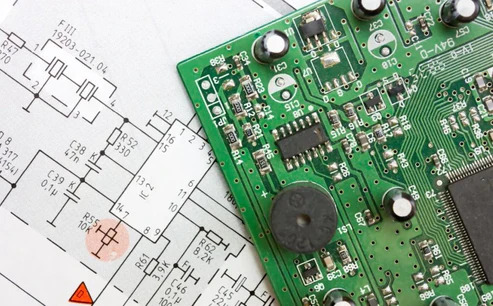
The printed circuit board (PCB) is the core component of most electronic devices. It acts as the platform that connects electronic components and allows signals to flow through the system.
PCB assembly involves attaching various components such as resistors, capacitors, microchips, and connectors onto the board. Modern electronics manufacturers use advanced technologies like surface-mount technology (SMT) to ensure precise placement and efficient production.
Automated assembly machines help maintain consistency and speed while minimizing human error during the manufacturing process.
Component Sourcing and Supply Chain Management
Electronic devices require numerous components sourced from specialized suppliers around the world. Managing this complex supply chain is a key responsibility for electronics manufacturers.
Manufacturers must ensure that all components meet strict quality standards and are delivered on time to maintain efficient production schedules.
Reliable supply chain management helps manufacturers avoid delays and ensures that final products perform according to design specifications.
Assembly and Integration
Once the circuit boards and components are prepared, the next step is assembling the complete electronic device. This stage involves integrating all parts into a finished product.
Assembly may include:
- Installing circuit boards into protective housings
- Connecting wiring and connectors
- Integrating displays or sensors
- Installing batteries and power systems
Precision during assembly is crucial because even small errors can affect product performance.
Manufacturers often use automated production lines combined with skilled technicians to ensure high accuracy and efficiency.
Quality Control and Product Testing
Quality assurance is one of the most important aspects of electronics manufacturing. Every device must undergo testing to ensure that it functions correctly and meets safety standards.
Testing procedures may include:
- Functional performance tests
- Electrical safety checks
- Environmental stress testing
- Durability assessments
These tests help identify potential defects before products reach the market. By maintaining strict quality control, manufacturers ensure that consumers receive reliable and safe electronic devices.
Innovation in Consumer Electronics
The electronics industry evolves rapidly as new technologies continue to emerge. Electronics manufacturers must constantly innovate to stay competitive and meet changing consumer demands.
Current trends in consumer electronics include:
- Smart home technology
- Wearable devices
- Internet of Things (IoT) integration
- Artificial intelligence-powered electronics
Manufacturers that invest in research and development can create products that offer improved performance, energy efficiency, and user experience.
Applications of Consumer Electronics
Consumer electronics are used in many aspects of daily life. Some common applications include:
- Smartphones and tablets
- Wireless audio devices
- Smart home systems
- Gaming consoles
- Personal health and fitness devices
These technologies enhance convenience, entertainment, and productivity for millions of people worldwide.
The Importance of Reliable Manufacturing Partners
For companies that want to develop new electronic products, working with a reliable manufacturing partner is essential. A trusted manufacturer provides technical expertise, efficient production capabilities, and strong quality assurance processes.
Experienced manufacturers help companies bring innovative ideas to market while ensuring that products meet global standards.
Strong partnerships between designers, engineers, and manufacturers contribute to successful product launches and long-term growth in the electronics industry.
The Future of Electronics Manufacturing
The future of electronics manufacturing is closely tied to advancements in automation, artificial intelligence, and smart factory technologies. Modern manufacturing facilities are increasingly adopting automated systems that improve efficiency and reduce production errors.
Sustainability is also becoming a key focus in electronics production. Many manufacturers are exploring environmentally friendly materials and energy-efficient processes to reduce environmental impact.
As technology continues to evolve, electronics manufacturers will remain at the center of innovation, producing the devices that shape modern lifestyles.
Conclusion
Electronics manufacturers play a vital role in bringing modern technology to life. Through careful design, advanced production methods, and rigorous quality control, they create the devices that power everyday life.
From smart home devices to personal electronics, these manufacturers ensure that products are reliable, innovative, and ready to meet the needs of global consumers. As technology continues to advance, the role of electronics manufacturers will remain essential in shaping the future of digital innovation.