

The Impact of Ramadan Umrah on Local Culture and Economy in Makkah and Madinah
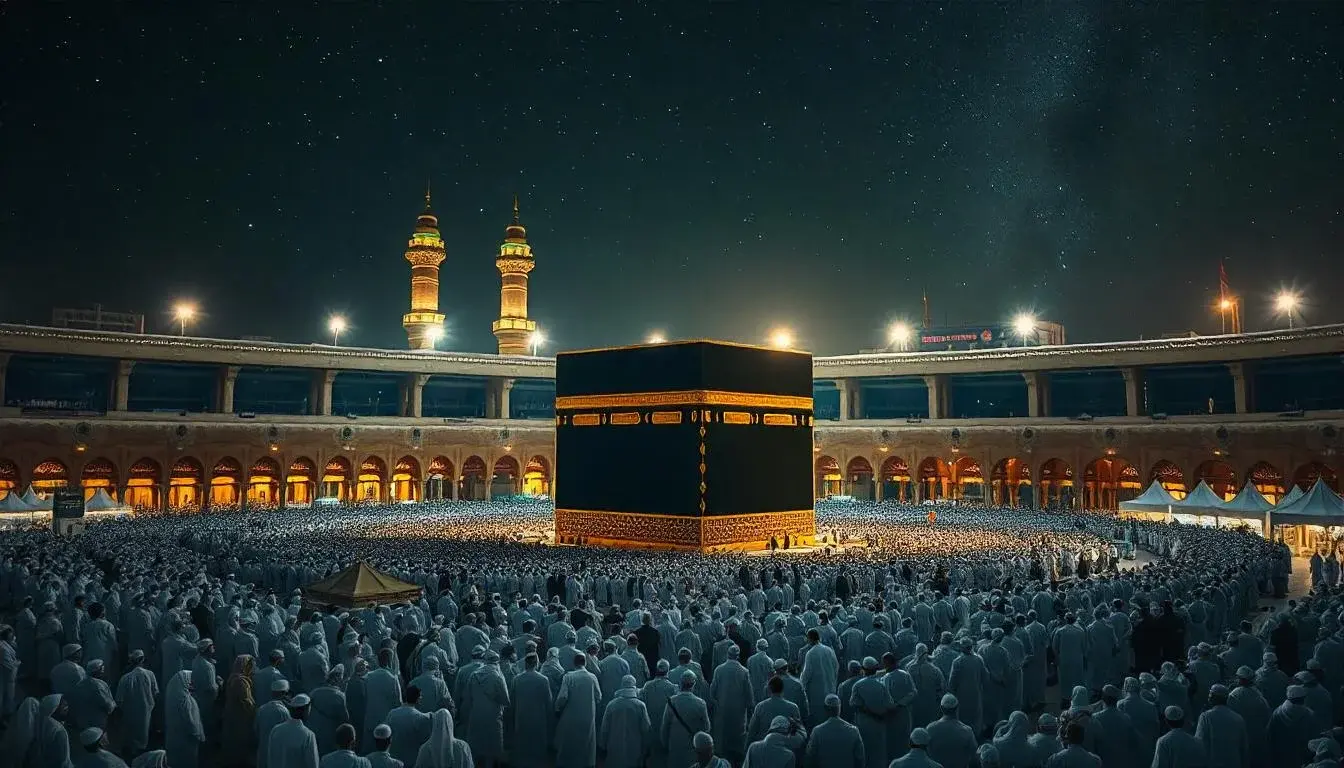
Every year, millions of Muslims travel to the holy cities of Makkah and Madinah to perform Umrah during Ramadan, creating a unique blend of spiritual devotion, cultural exchange, and economic activity. While the pilgrimage is primarily a religious experience, its ripple effects on the local economy, infrastructure, and cultural practices are profound. Understanding these impacts helps both pilgrims and local stakeholders appreciate the intricate relationship between faith, culture, and commerce during the holy month.
Ramadan Umrah: A Spiritual and Cultural Phenomenon
Ramadan Umrah is distinct from other times of the year due to the convergence of fasting, nightly prayers, and the performance of Umrah rituals. Pilgrims from across the globe visit Makkah and Madinah, creating a vibrant and diverse cultural milieu. This congregation fosters intercultural communication, shared religious experiences, and reinforcement of Islamic traditions.
Key cultural impacts include:
- Preservation of Religious Practices: Pilgrims actively engage in rituals such as Tawaf, Sa’i, and Taraweeh, reinforcing centuries-old practices.
- Intergenerational Learning: Families travel together, passing on knowledge and etiquette to younger generations.
- Cultural Exchange: The influx of pilgrims from diverse backgrounds fosters a rich cultural dialogue, influencing local customs and services.
By merging spiritual devotion with cultural interaction, Ramadan Umrah strengthens both religious adherence and communal identity.
Economic Impact on Makkah and Madinah
The economic effects of Ramadan Umrah on Makkah and Madinah are substantial, influencing multiple sectors.
1. Hospitality and Accommodation
- Hotels and Lodging: The surge in visitors during Ramadan drives high occupancy rates in hotels, guesthouses, and apartments. Premium and mid-range accommodations experience significant revenue growth.
- Local Rentals: Short-term rental apartments and homestays cater to families and groups, creating alternative income streams for residents.
2. Food and Catering Industry
- Iftar and Suhoor Services: Restaurants, cafes, and catering services witness high demand for Ramadan meals. Many establishments offer specialised Iftar buffets and Suhoor packages for pilgrims.
- Street Vendors and Local Markets: Traditional food stalls thrive during Ramadan, providing affordable meals while preserving local culinary heritage.
3. Transportation Services
- Public and Private Transport: Taxis, shuttle services, and ride-hailing apps see increased activity as pilgrims move between Makkah, Madinah, and religious sites.
- Group Travel Agencies: Companies offering organised Umrah packages benefit from bookings that include buses, guided tours, and airport transfers.
4. Retail and Souvenirs
- Religious Goods: Sales of prayer mats, Qurans, tasbih beads, and Islamic literature surge during Ramadan.
- Local Souvenirs: Traditional crafts, clothing, and gifts provide additional revenue for artisans and shopkeepers.
5. Employment Opportunities
- Temporary Jobs: The high demand for services during Ramadan creates seasonal employment in hotels, restaurants, transportation, and retail.
- Skill Development: Workers gain experience in hospitality, logistics, and customer service, enhancing long-term employment prospects.
Microeconomic Effects on Local Communities
Beyond large-scale economic impacts, Ramadan Umrah influences microeconomic aspects of everyday life in Makkah and Madinah:
- Small Business Growth: Local vendors, home-based entrepreneurs, and family-owned shops experience a surge in revenue.
- Price Fluctuations: Increased demand can cause temporary price hikes for accommodation, food, and transport, affecting residents and pilgrims alike.
- Community Services: Religious and charitable organizations expand their operations to accommodate pilgrims, boosting local community engagement.
By stimulating local commerce, Ramadan Umrah helps sustain livelihoods and support community development.
Cultural Enrichment and Social Dynamics
Ramadan Umrah also has significant cultural and social implications:
- Reinforcement of Islamic Values: Pilgrims’ adherence to prayer, fasting, and charity influences local behaviour and strengthens communal piety.
- Intergenerational Interaction: Families travelling together reinforce traditions, etiquette, and spiritual education.
- Tourism-Driven Cultural Awareness: The influx of diverse pilgrims exposes locals to global Islamic practices, fostering tolerance and understanding.
- Community Engagement: Religious lectures, Iftar gatherings, and volunteer activities enhance social cohesion among residents and visitors.
Through these cultural interactions, Ramadan Umrah becomes a platform for preserving Islamic traditions while promoting mutual respect and understanding.
Challenges for Local Infrastructure
The massive influx of pilgrims during Ramadan poses logistical and infrastructural challenges that impact both locals and visitors:
- Crowd Management: Overcrowding at Masjid al-Haram and Masjid an-Nabawi requires advanced planning and security measures.
- Transportation Congestion: Increased traffic demands efficient public transit and road management strategies.
- Resource Allocation: High demand for water, electricity, and healthcare necessitates careful planning to avoid shortages.
Local authorities and service providers often implement innovative solutions such as temporary accommodation expansions, shuttle systems, and crowd control strategies to address these challenges effectively.
Sustainability and Long-Term Economic Impact
The economic benefits of Ramadan Umrah extend beyond the immediate period of pilgrimage:
- Tourism Infrastructure Development: Continuous investment in hotels, transport, and services enhances long-term tourism potential.
- Cultural Preservation: Revenue generated during Ramadan supports the maintenance of historical and religious sites.
- Skill Development and Employment: Temporary jobs and training programs contribute to workforce development, improving local human capital.
- Global Reputation: Successful management of pilgrimage seasons reinforces Makkah and Madinah as safe, welcoming, and spiritually enriching destinations.
By balancing immediate economic gains with sustainable planning, Ramadan Umrah strengthens the resilience and growth of local economies.
Strategies for Pilgrims to Support Local Economy and Culture
Pilgrims can actively contribute to the local culture and economy by making mindful choices:
- Support Local Vendors: Purchase food, souvenirs, and essentials from local businesses instead of international chains.
- Respect Cultural Practices: Observe prayer timings, local customs, and gender-segregated areas.
- Participate in Charitable Activities: Donate to local charities, mosques, and community programs.
- Use Official Services: Choose licensed transportation and guided tours to ensure safety and compliance.
- Practice Sustainability: Reduce waste, avoid littering, and respect the sacred environment.
These actions enhance pilgrims’ spiritual experience while positively impacting the communities they visit.
Conclusion
Ramadan Umrah is more than a spiritual journey; it is a catalyst for cultural enrichment and economic development in Makkah and Madinah. Pilgrims contribute to local economies through accommodation, food, transportation, retail, and charitable donations while simultaneously engaging with rich cultural and religious traditions. The influx of visitors fosters intergenerational learning, strengthens communal bonds, and enhances the spiritual atmosphere of the holy cities.
At the same time, local authorities and businesses adapt to meet the demands of millions of pilgrims, ensuring smooth operations, cultural preservation, and economic sustainability. By understanding and appreciating the cultural and economic impact of Ramadan Umrah, both pilgrims and locals can participate in a mutually beneficial experience, promoting spiritual fulfillment, cultural heritage, and economic resilience.
In essence, Ramadan Umrah exemplifies how devotion and culture intertwine, creating a positive ripple effect on the economy, social cohesion, and the preservation of Islamic traditions for generations to come.