


The Future of 3D Product Visualization: How AR and VR Are Revolutionizing Online Shopping
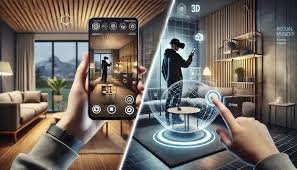
The way people shop online has changed dramatically over the last decade. Shoppers no longer rely solely on product descriptions or static images—they want interactive, lifelike experiences that help them understand exactly what they are buying. This is where Augmented Reality (AR) and Virtual Reality (VR) come into play. By combining these technologies with 3D modeling services and photorealistic rendering, brands can offer customers immersive product experiences that were once only possible in physical stores.
From furniture to electronics, fashion to automotive, AR and VR are redefining the online shopping journey. Businesses now rely on 3D interactive product demos and AR product visualization to reduce purchase hesitation, increase engagement, and enhance customer satisfaction.
Why AR and VR Matter in Online Shopping
Traditional product images and videos have limitations—they are flat and often fail to convey scale, texture, or depth accurately. Even high-quality 3D rendering only gives a visual representation on a screen. AR and VR take this a step further by allowing customers to interact with products in real space.
- AR (Augmented Reality) overlays 3D models of products onto the real world using smartphones or tablets. Customers can see how a sofa fits in their living room or how a watch looks on their wrist.
- VR (Virtual Reality) immerses users in a fully digital environment, such as a virtual store or showroom, where they can explore products, view details, and interact as if they were physically present.
This new level of interactivity helps buyers feel more confident in their decisions, reducing doubts that typically lead to abandoned carts.
1. Enhanced Customer Engagement Through Immersive 3D Experiences
AR and VR transform passive browsing into active engagement. Unlike static images, 3D interactive product demos let customers:
- Rotate and zoom the product
- Change colors or finishes in real time
- Test functionality in a virtual environment
This engagement creates an emotional connection. For example, seeing how a chair matches their room through AR can make the difference between a tentative consideration and a confident purchase. This is why many businesses invest in the best 3D modeling services in USA to ensure accuracy and realism in their models.
2. Reduced Returns and Higher Satisfaction
One of the biggest challenges in e-commerce is product returns caused by unmet expectations. With AR and VR, customers can visualize the product in its intended environment or interact with it virtually before buying.
Benefits include:
- Accurate representation of scale, size, and color
- Realistic preview of functionality
- Informed decisions that match expectations
The result is higher customer satisfaction, fewer returns, and more loyal customers. Partnering with trusted 3D modeling services ensures that these virtual experiences are as realistic as possible.
3. Applications Across Industries
Furniture and Home Décor
AR apps allow users to place 3D models of furniture in their own homes. Shoppers can see if the sofa fits their living room or whether the color matches existing décor.
Fashion and Accessories
AR mirrors and apps let customers try on glasses, watches, shoes, or clothing digitally. This enhances confidence in the fit, style, and appearance of a product before purchase.
Electronics
From smartphones to laptops, VR can create virtual unboxing experiences, showing customers every feature and interactive demo without needing a physical device.
Automotive
Car manufacturers use VR showrooms where customers can explore interiors, test customizations, and even take virtual test drives, all from their homes.
4. How AR and VR Integrate With 3D Modeling Services
AR and VR experiences rely heavily on high-quality 3D modeling services. The process typically involves:
- Creating a detailed product model using 3D modeling product services
- Applying photorealistic rendering for realistic textures, lighting, and shadows
- Integrating the model into AR or VR platforms for interactive use
By combining rendering with AR/VR, businesses can deliver immersive 3D product visualization techniques that enhance the customer journey and bridge the gap between digital and physical shopping.
5. The Role of Realism and Interactivity
The success of AR and VR in e-commerce depends on how realistic and interactive the experience is. High-quality textures, accurate scale, and responsive interactions make the difference between a simple demo and a truly immersive experience.
Interactive features such as:
- Material swaps
- Color changes
- Functional animations (e.g., opening drawers, folding seats)
…give customers control over how they explore a product. This empowers buyers and replicates the experience of inspecting a product in person.
6. Benefits for Businesses
Investing in AR and VR technologies provides multiple business advantages:
- Increased conversion rates: Interactive previews reduce hesitation
- Better engagement: Customers spend more time exploring products
- Reduced returns: Clear visualization reduces mismatched expectations
- Cost-effective marketing: Digital models can replace expensive photoshoots or physical prototypes
- Brand differentiation: Offering immersive experiences helps brands stand out in competitive markets
Companies using the best 3D modeling services in USA often see higher customer loyalty and stronger word-of-mouth promotion because shoppers enjoy unique and realistic product experiences.
7. Future Trends in 3D Product Visualization
The future of online shopping is leaning heavily toward immersive, interactive, and AI-driven experiences:
- AI-powered personalization: Suggesting products in AR based on room dimensions or customer preferences
- Virtual showrooms and social shopping: Customers shopping together in VR spaces
- Integration with live video: Real-time AR demos during live streaming sales events
- Enhanced mobile experiences: Lightweight AR models that work seamlessly on smartphones and tablets
These trends will further merge 3D modeling services, rendering, and immersive technology, making online shopping nearly indistinguishable from the physical experience.
Conclusion
AR and VR are no longer futuristic concepts—they are transforming how customers interact with products online. By combining 3D modeling services, photorealistic rendering, and immersive technology, businesses can create interactive shopping experiences that build trust, improve engagement, and reduce returns.
From furniture to electronics, fashion to automotive, AR and VR give customers a sense of presence, control, and confidence in their purchase decisions. For brands looking to stay competitive, embracing 3D product visualization techniques with AR and VR is no longer optional — it’s essential.