The Essential Guide to Zodiac Pool Cleaner Repairs
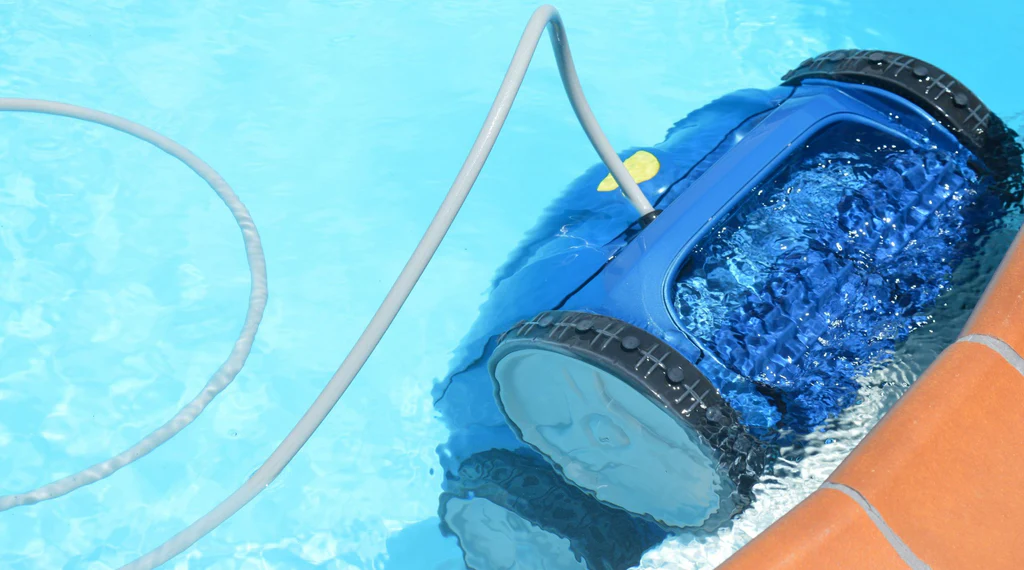
There is a unique sense of pride that comes with owning a swimming pool. It is the centerpiece of summer BBQs, the site of morning laps, and a private sanctuary for relaxation. However, that tranquility can quickly evaporate when you notice a layer of silt on the floor because your trusted Zodiac cleaner has decided to take an unscheduled day off.
Whether you are using a classic suction-side “creepy crawly,” a geared mechanical cleaner like the MX8, or a high-tech robotic unit, understanding zodiac pool cleaner repairs is the key to maintaining a healthy pool without breaking the bank on service calls. While these machines are built to withstand the harsh environment of chlorine and UV rays, they are mechanical devices that eventually require a tune-up.
Troubleshooting Suction-Side Zodiac Cleaners
The suction-side cleaners, like the iconic G3 or the MX6 and MX8 series, are the workhorses of the Zodiac family. Because they rely on the vacuum provided by your pool pump, the first step in any repair is actually checking your filtration system.
The Diaphragm: The Heart of the Machine
For many Zodiac suction models, a single rubber component called the diaphragm is responsible for creating the “pulsing” motion that drives the cleaner.
- The Symptom: Your cleaner stops moving, or it pulses weakly.
- The Fix: Pull the cleaner to the surface and unscrew the outer extension pipe to access the inner cassette. If you see even a microscopic tear in the rubber diaphragm, the vacuum seal is lost. Replacing this part is a five-minute DIY repair that restores the “click” and the movement instantly.
MX8 and MX6 Gearbox Issues
The MX series uses a sophisticated system of drive tracks and gearboxes (Direction Control Devices).
- The Symptom: The cleaner moves in circles or stalls on the deep end floor.
- The Fix: Flip the cleaner over and manually turn the tracks. If one side feels “crunchy” or locked, a pebble or sand has likely entered the gearbox. Often, a high-pressure rinse with a garden hose can dislodge the debris, but if the internal plastic gears have worn down, you can easily swap out the “A” or “B” drive side with a single screwdriver.
Navigating Robotic Zodiac Repairs
Robotic cleaners represent a significant jump in technology. They contain internal motors, a logic board, and their own filtration canisters. When these sophisticated machines falter, the repair process is more about electronics and preventative maintenance.
Decoding Error Lights
Most Zodiac robotic units communicate through a series of flashing lights on the control box.
- 1 Flash: Usually indicates a connection error. Check the floating cable connection to the control box and ensure the pins are dry and clean.
- 2 Flashes: This points to the wheels or drive tracks. Check for a jammed pebble or a tangled wad of hair around the axles.
- 3 Flashes: This typically signals an issue with the impeller or pump axis. Small twigs can sometimes bypass the filter and jam the fan at the top of the unit.
The “Slipping” Problem
If your robot moves but fails to climb the walls, the culprit is often the drive tracks or the brushes. Over 12–18 months of exposure to pool chemicals, the rubber tracks can stretch. If the tracks are loose or the brushes have become “smooth,” the robot won’t have the traction to scale vertical surfaces. Replacing these “wear items” is essential for maintaining full pool coverage.
When to Call the Professionals
While a torn diaphragm or a jammed track is a simple home fix, some zodiac pool cleaner repairs involve the motor block or the power cable. If you notice water inside the “sealed” motor compartment or if the power cable has a visible internal break, it is time to seek specialized help.
For those who have invested in high-end robotic technology and want to ensure their machine is handled with expert precision, Fix My Dolphin offers the technical expertise and genuine spare parts required to bring high-performance pool robots back to life. While they are specialists in the Dolphin range, their deep knowledge of robotic pool mechanics makes them an invaluable resource for anyone looking to extend the life of their automated cleaning equipment.
Preventative Maintenance: Stop Repairs Before They Start
The best way to handle repairs is to avoid them entirely through a few simple habits:
- Chemical Balance: Never leave your cleaner in the pool during “shock” chlorination. High chemical levels can perish rubber components and make plastic housings brittle in a matter of weeks.
- Rinse After Use: When you pull your robot out of the water, give it a 30-second rinse with fresh water. This removes the salt or chlorine residue that can eat away at the motor seals.
- Straighten the Cable: If you use a robotic cleaner, lay the cable straight in the sun for an hour once a month. This “relaxes” the cable and prevents the internal wires from twisting and snapping—a common and expensive failure.
- Empty the Canister: A full filter canister puts extra strain on the pump motor. Emptying it after every cycle ensures the motor runs cool and efficient.
Why Repairing is Better Than Replacing
In a world where many products are designed to be disposable, Zodiac cleaners are notably modular. Almost every component—from the tracks and gears to the motor block itself—is designed to be replaced.
By choosing to repair your cleaner rather than throwing it away, you are saving hundreds of dollars and keeping complex plastics and electronics out of the landfill. A Zodiac MX8 that has “stalled” often only needs a $50 part to return to 100% performance. Similarly, a robotic unit that has stopped climbing may just need a fresh set of $30 tracks.
Final Thoughts
A swimming pool should be a place where memories are made, not a source of frustration. By mastering the basics of zodiac pool cleaner repairs, you take the power back into your own hands. You ensure that your water remains crystal clear, your equipment lasts for years, and your summer remains focused on what matters most: enjoying the water.
Next time your cleaner takes an unscheduled break, don’t reach for your credit card to buy a new one. Flip it over, check the tracks, inspect the diaphragm, and remember that with a little bit of TLC, your Zodiac will be back to work in no time. Happy swimming!