


The Emerging Trend of Polynucleotide Treatments in Dermatology
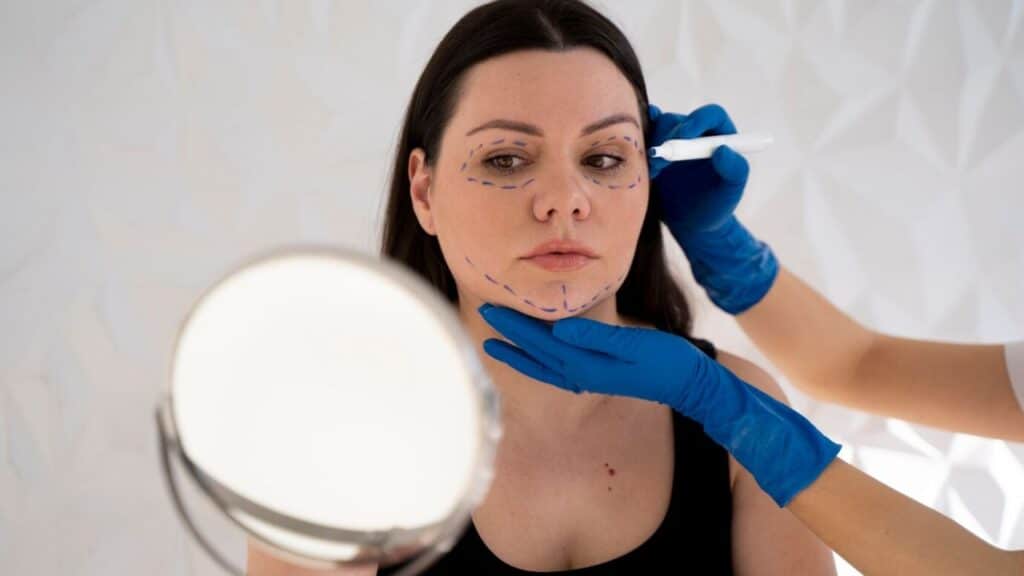
The field of dermatology has witnessed an exciting shift toward regenerative and biostimulatory therapies designed to do more than simply mask signs of aging or skin damage.
Among these cutting-edge innovations, polynucleotide treatments have garnered growing attention from clinicians, researchers, and patients alike. With their promising ability to promote tissue repair, enhance skin quality, and support cellular health, polynucleotides are emerging as a compelling addition to the cosmetic and therapeutic dermatology toolkit.
What Are Polynucleotides?
Polynucleotides are long chains of nucleotides, the fundamental building blocks of nucleic acids such as DNA and RNA. In therapeutic dermatology, polynucleotide preparations are typically derived from highly purified DNA fragments sourced from certain fish species (such as herring or trout), chosen for their low immunogenicity and high biocompatibility with human tissue. Once processed to remove proteins and other cellular components, these DNA fragments can be formulated into injectable solutions for medical and aesthetic use.
Unlike synthetic drugs or peptides that aim to interact with specific receptors, polynucleotides operate more holistically by providing a structural and biochemical substrate that supports cellular activities crucial for tissue regeneration.
How Polynucleotide Treatments Work
The appeal of polynucleotide therapy lies in its multifaceted mechanisms of action. When administered into the dermis or subcutaneous layer, polynucleotide solutions exert several key effects:
Cellular Nourishment and Repair: Polynucleotides supply bioavailable nucleic acid fragments that cells can use for DNA repair and replication. This may help support the regeneration of fibroblasts and other skin cells, especially in tissues that have been damaged by aging, UV exposure, or environmental stressors.
Stimulation of Extracellular Matrix Production: By activating fibroblasts—the cells responsible for producing collagen, elastin, and hyaluronic acid—polynucleotide treatments can enhance the structural integrity of the skin. Improved extracellular matrix synthesis contributes to increased firmness, elasticity, and hydration.
Anti-Inflammatory and Tissue Soothing Actions: Polynucleotide formulations have been shown to modulate inflammatory pathways, potentially reducing irritation and accelerating healing in compromised skin. This property makes them useful in post-procedural care and for treating inflammatory skin conditions.
Neovascularization: Some research suggests that polynucleotides can promote the formation of new microvessels, enhancing blood flow and nutrient delivery to treated areas. Better circulation supports overall skin health and may improve the appearance of dull or tired skin.
Applications in Dermatology
Polynucleotide treatments are versatile and have been studied across a broad range of dermatological indications:
1. Aesthetic Rejuvenation
One of the most popular uses of polynucleotide injections is for facial rejuvenation. Patients seeking subtle, natural improvements rather than dramatic, surgical results may benefit from this treatment. Polynucleotides can be injected superficially across the face to improve skin texture, tone, and luminosity. Many clinicians describe the outcome as a “skin quality boost,” with increased firmness and reduction in fine lines.
2. Under‑Eye and Periorbital Treatment
The delicate skin around the eyes is often one of the first areas to show signs of aging or fatigue. Polynucleotide therapy has become a favored option for under-eye rejuvenation, targeting hollows, fine lines, and skin laxity. Because of its soothing and regenerative properties, it can be particularly suitable for this sensitive region.
3. Hair Restoration
Beyond skin, polynucleotides have demonstrated potential benefits in promoting hair growth. When injected into the scalp, they may improve the health of hair follicles by enhancing local blood flow and supporting cellular repair. Early clinical experiences suggest that polynucleotide therapy can complement traditional hair loss treatments in cases of androgenetic alopecia or diffuse thinning.
4. Post‑Procedural Recovery
After ablative laser treatments, chemical peels, or microneedling, the skin undergoes controlled injury that requires a robust healing response. Polynucleotide injections or topical applications have been used to accelerate recovery, reduce downtime, and enhance outcomes by supporting tissue repair and calming inflammation.
5. Treatment of Scars and Stretch Marks
Scars and striae (stretch marks) result from disruption of the normal dermal architecture. By promoting fibroblast activity and extracellular matrix synthesis, polynucleotides may help improve the texture and appearance of scarred or stretched skin, especially when combined with other procedural interventions.
Advantages over Traditional Approaches
Compared with more established injectable treatments like hyaluronic acid fillers or botulinum toxin, polynucleotide therapies offer a different value proposition:
Biostimulation vs. Volumization: While fillers add volume to specific areas, polynucleotides aim to improve the underlying quality and health of the skin itself.
Natural‑Appearing Results: Patients often appreciate the subtle, gradual improvements that reflect healthier skin rather than dramatic structural changes.
Minimal Adverse Effects: Because polynucleotides are derived from biocompatible sources and lack active drug compounds, they tend to have a favorable safety profile with fewer allergic reactions.
Broad Therapeutic Potential: Their regenerative properties extend applications beyond aesthetics into wound healing and tissue repair.
Scientific Evidence and Clinical Research
Though polynucleotide therapy is increasingly used in practice, research is still evolving. Several clinical studies and case series have documented improvements in skin elasticity, hydration, and overall appearance following polynucleotide injections. Histological analyses from biopsy specimens have shown enhanced collagen and elastin deposition in treated skin.
However, it’s important to acknowledge that long-term, large-scale randomized controlled trials are still limited. The dermatology community has called for more rigorous research to establish standardized protocols, optimal dosing regimens, and comparative effectiveness against other regenerative treatments.
Patient Experience and Treatment Protocols
Polynucleotide injections are typically performed in an outpatient dermatology or aesthetic clinic setting. A topical anesthetic may be applied to enhance comfort, especially in sensitive areas like the under-eye region. The treatment session can take anywhere from 20 to 45 minutes, depending on the extent of the area being treated.
Most practitioners recommend a series of sessions spaced several weeks apart to achieve optimal results. Maintenance treatments may be scheduled periodically to sustain improvements, much like other regenerative or aesthetic therapies.
Patients often report mild redness, swelling, or tenderness at injection sites, but these side effects are usually transient and resolve within a few days.
Considerations and Limitations
Despite its promise, polynucleotide therapy may not be appropriate for everyone. Patients with certain autoimmune conditions, active infections, or specific allergies should be evaluated carefully before undergoing treatment. As with all injectable procedures, there is a risk—albeit small—of bruising, infection, or nodules.
Cost may be another consideration, as regenerative treatments like polynucleotide injections can be more expensive than traditional cosmetic procedures due to the complexity of formulation and repeat sessions required.
The Future of Polynucleotides in Dermatology
The growing interest in polynucleotide treatments reflects a broader trend in dermatology toward therapies that harness the body’s innate regenerative capabilities. As research deepens our understanding of how these nucleic acid chains interact with skin cells and tissues, novel applications are likely to emerge.
Innovations may include combination protocols—pairing polynucleotides with microneedling, lasers, or other biologics—to maximize regenerative outcomes. Additionally, advancements in formulation technology may lead to topical or sustained‑release versions that further expand clinical utility.
Conclusion
Polynucleotide treatments represent a fascinating and rapidly evolving frontier in dermatology. With their potential to improve skin quality, accelerate healing, and support cellular health, they offer an appealing alternative or complement to traditional aesthetic and therapeutic interventions.
While further research is needed to fully characterize their mechanisms and optimize clinical use, early experiences suggest that polynucleotides have a meaningful role to play in the future of skin and hair rejuvenation.