
Subscription Box Ready: Designing Cake Boxes for the Direct-to-Consumer Shipping War
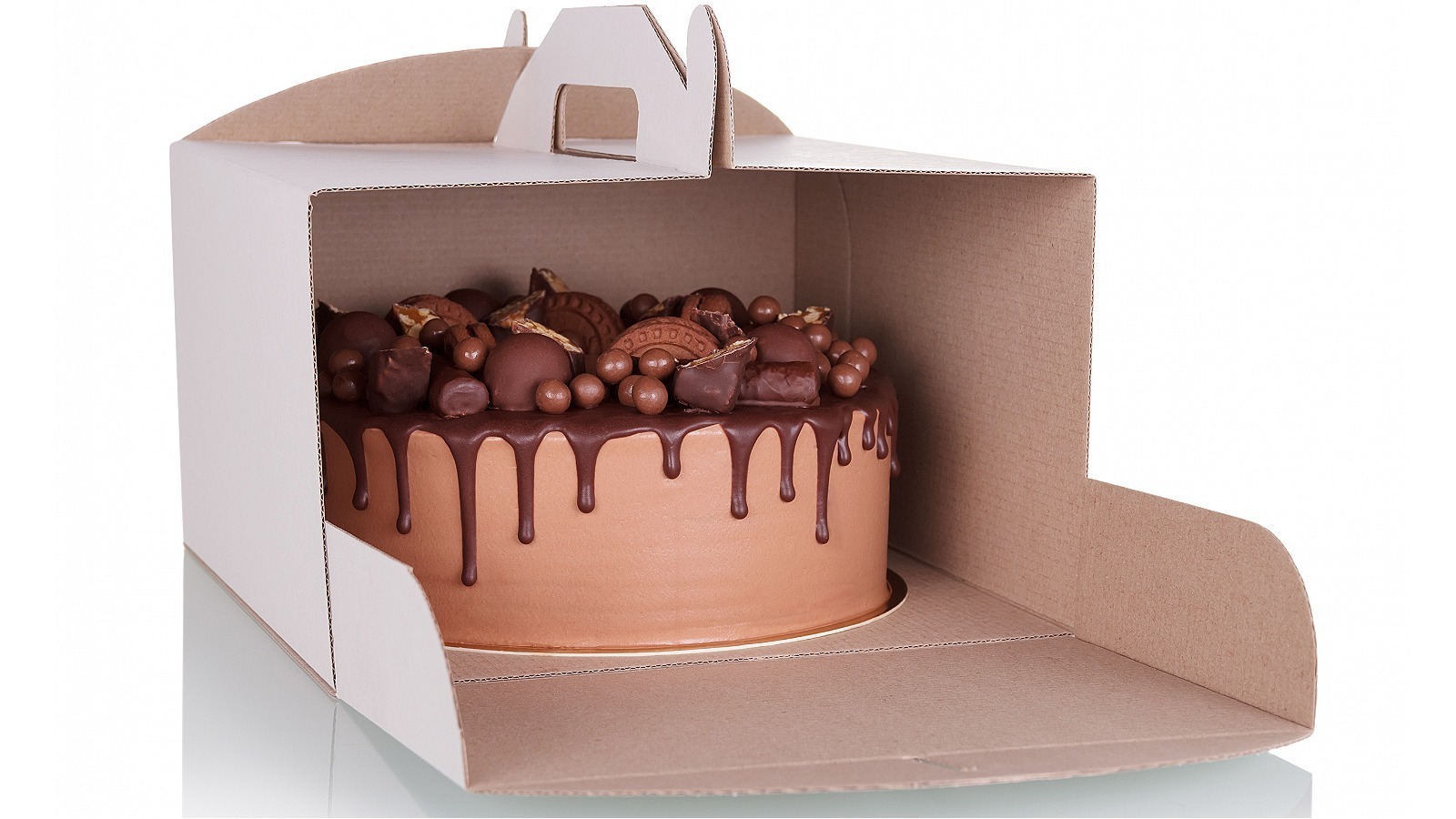
The direct-to-consumer market is growing rapidly, and food businesses face a unique challenge: delivering delicate products safely. Cakes are particularly fragile, and creating packaging that protects them while offering a memorable experience is essential. Smart box design can improve customer satisfaction and set brands apart in a competitive market.
Why Packaging Shapes Customer Expectations
Packaging is more than a container—it communicates quality, trust, and care. Customers judge a brand by how their items arrive. If a cake packaging comes damaged, it can ruin the entire experience. On the other hand, a well-crafted package creates anticipation and excitement.
Direct-to-consumer shipping adds pressure because cakes are prone to breaking, melting, or becoming stale. A sturdy package prevents crushing, and protective inserts stop cakes from shifting during delivery. Packaging can also serve as a marketing tool. A visually appealing box reinforces brand identity and encourages repeat purchases. Small touches like a printed message or ribbon can turn an ordinary delivery into a memorable moment.
Subscription services rely on the “unboxing experience” as much as the product itself. Boxes must be practical for shipping yet offer an enjoyable opening ritual. Eco-conscious customers also look for brands that care about sustainability. Using recyclable or biodegradable materials improves brand reputation while keeping the product safe.
In short, packaging shapes perception. Investing in thoughtful, functional, and branded boxes strengthens customer loyalty and supports business growth.
Choosing the Right Materials for Fragile Items
The material used for packaging determines how well a cake survives transit. Corrugated cardboard is ideal due to its strength and shock absorption. It protects against bumps, drops, and stacking pressure. Thicker cardboard is best for larger cakes or multi-layered desserts.
Inserts, dividers, and padding help stabilize delicate cakes. Foam or molded cardboard prevents layers from sliding. Some brands even use biodegradable packing peanuts or eco-friendly bubble wraps. Lightweight materials reduce shipping costs while maintaining durability.
Moisture resistance is another consideration. Coated or laminated surfaces prevent damage from condensation, especially for chilled cakes. Choosing materials that combine strength, environmental responsibility, and affordability creates a packaging solution that works for both the business and the customer. Testing prototypes ensures the design will survive the shipping journey and deliver satisfaction.
Personalization as a Brand Experience
Customization in packaging adds a personal touch that delights customers. Color schemes, logos, and seasonal graphics turn a simple box into a branded experience. Small details, like including a thank-you card or recipe insert, make the package feel curated.
Printed patterns or limited edition designs create excitement for recurring subscribers. Digital printing allows businesses to change designs easily without large minimum orders. Personalized touches also improve social media appeal, encouraging customers to share photos online.
Beyond aesthetics, customization improves usability. Boxes with easy-open tabs, handles, or resealable features enhance convenience while keeping the cake safe. Packaging that merges function with branding elevates the customer journey.
Strategies for Keeping Cakes Intact
Delivering cakes intact requires smart engineering. Boxes should include dividers or inserts to prevent sliding. Reinforced corners and rigid bases protect the structure. For temperature-sensitive cakes, insulated layers or gel packs help maintain freshness.
Shipping tests reveal weak points before products reach customers. Trial deliveries simulate real-world conditions, including handling stress and temperature changes. Clear labeling such as “Fragile” ensures careful handling by carriers.
The ideal design balances protection, brand presentation, and shipping efficiency. Using standard box sizes lowers shipping costs, and padding ensures the product arrives in pristine condition. A thoughtfully designed package reduces damage, improves satisfaction, and enhances repeat sales.
Eco-Friendly Packaging Options
Sustainable packaging is no longer optional; it is expected. Customers prefer boxes made from recycled or biodegradable materials. Using eco-friendly options demonstrates responsibility and resonates with environmentally conscious buyers.
Materials like corrugated cardboard, compostable inserts, and vegetable-based inks reduce environmental impact. Lightweight designs decrease shipping emissions while still providing protection. Businesses can even add messaging on the packaging to highlight sustainability efforts, reinforcing brand values.
Eco-friendly packaging does not compromise durability. Combining strong materials with recyclable options ensures cakes arrive safely while supporting environmental responsibility. This dual focus builds trust and strengthens the brand’s reputation.
Turning Unboxing into a Memorable Moment
Unboxing can be an experience that encourages repeat purchases. Simple touches such as branded tissue paper, custom inserts, or personalized notes create excitement. Customers often share memorable unboxing experiences online, generating free marketing.
Easy-to-open packaging prevents frustration and protects the cake. Providing storage or serving tips in a card demonstrates thoughtfulness. Seasonal or limited edition designs can create exclusivity and drive engagement. Each detail enhances customer satisfaction and loyalty, turning a delivery into a moment worth remembering.
Practical Features for Everyday Use
Practical packaging benefits both businesses and customers. Features like handles, foldable designs, or secure closures improve handling and convenience. Reinforced corners and cushioned interiors prevent damage during transport.
Reusable or repurposable boxes extend the lifecycle of the packaging. Customers may use them for storage or as keepsakes, which adds value and reinforces the brand’s thoughtfulness. Convenience features make the subscription experience seamless, increasing customer satisfaction and retention.
Testing and Continuous Improvement
Successful packaging requires testing and iteration. Trial shipments identify weak points and reveal how products withstand shipping conditions. Stress tests simulate drops, stacking, and temperature changes to ensure durability.
Customer feedback is vital in refining design. Understanding how products arrive and how users interact with the packaging informs improvements. Continuous iteration ensures boxes evolve alongside customer expectations and market trends, keeping brands competitive.
Balancing Cost and Quality
Cost-effective packaging is essential for long-term business success. Standardized box sizes reduce production and shipping costs. Bulk purchasing of materials ensures consistent quality while lowering expenses. Lightweight designs minimize shipping fees without compromising protection.
- Modular packaging works for multiple cake sizes, reducing waste.
- Smart material choices keep the box strong yet affordable.
- Efficient designs optimize storage and shipping space.
- Sustainable materials appeal to environmentally conscious buyers without extra cost.
Quality packaging doesn’t need to be expensive. Strategic design and smart material use allow brands to protect their products, delight customers, and manage costs effectively.
Conclusion
Designing subscription-ready packaging for cakes is both an art and a science. It requires balancing durability, sustainability, branding, and customer experience. Thoughtful material selection, protective inserts, and customization ensure products arrive intact and create memorable unboxing moments. Testing, iteration, and smart cost management strengthen the business model. Ultimately, well-designed packaging improves customer satisfaction, builds loyalty, and positions a brand for success in the competitive direct-to-consumer market.