
Transform Your Small Animal’s Life: The Best Habitat Setup Ideas for Every Species
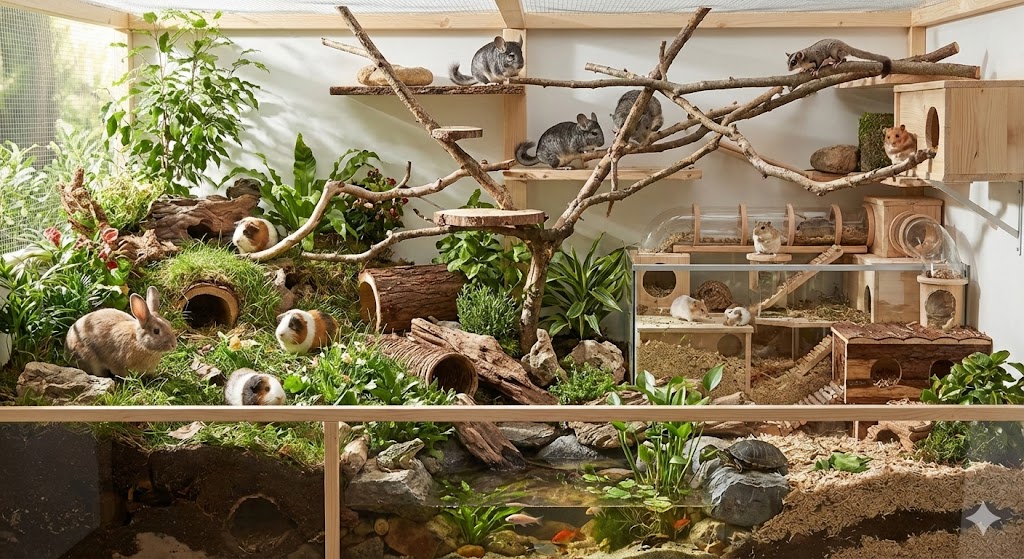
Creating the right habitat for your small animal is crucial to their well-being, happiness, and overall health. Whether you’re a proud hamster owner or you have a curious guinea pig, providing an appropriate living environment can make all the difference in the world. A well-designed habitat helps mimic your pet’s natural surroundings, offering them the space and stimulation they need to thrive.
An ideal habitat promotes not just comfort, but longevity, keeping your small animal active, engaged, and stress-free. With the growing trend toward personalized and specialized small animal habitats, today’s pet supplies market is seeing a shift towards customizable, modular solutions that allow pet parents to design spaces that cater to their pet’s unique behavior and health requirements.
Understanding Your Small Animal’s Needs
Small Animal Habitat Requirements
Different species of small animals have unique habitat requirements. For instance, a hamster’s habitat will differ significantly from a rabbit’s or a guinea pig’s, as each species has specific requirements for space, ventilation, and comfort.
Key elements every Kwik Pets small animal habitat should have include:
- Size: Ensure that the habitat is large enough for your pet to move around freely. A cramped living space can lead to stress, behavioral issues, and health problems.
- Ventilation: Proper airflow is essential to maintain a clean, healthy environment. Poor ventilation can lead to respiratory problems for your pet.
- Security: The habitat should be secure to prevent escapes, especially for curious creatures like hamsters or mice.
- Comfort: Bedding, shelters, and accessories that make the pet feel safe and comfortable are key components of their habitat.
Upcoming Trend: Customizable, Modular Habitats
The trend towards customizable habitats has taken the pet industry by storm. Pet owners now have the option to build modular habitats that are tailored to their pet’s unique needs. From stacking cages to adjustable platforms, modular setups give pets the freedom to explore their space while providing them with a personalized environment for sleeping, eating, and playing.
Pet Supplies for Small Animals
Choosing the right pet supplies for small animals is just as important as setting up the habitat itself. The bedding, food containers, and toys you select should cater to your pet’s specific needs and promote natural behaviors.
- Bedding: Look for materials that are safe and comfortable, such as paper-based bedding, hay, or aspen shavings. Avoid pine and cedar shavings, as these can be harmful to small animals.
- Food Containers and Water Bottles: Ensure that your pet has easy access to clean food and water. Automatic water dispensers and food bowls are great options for reducing mess and making feeding more efficient.
- Toys and Enrichment: Small animals require stimulation to prevent boredom and anxiety. Look for chew toys, tunnels, and interactive accessories that encourage exploration and natural behaviors.
Trending: Eco-Friendly Pet Supplies
As environmental consciousness continues to rise, many pet owners are turning to eco-friendly pet supplies. From biodegradable bedding to sustainably sourced toys, these products are designed with the planet and your pet’s health in mind. Many pet stores now offer a variety of green options that promote sustainability without compromising on quality.
Essential Elements of a Small Animal Habitat
Space and Structure
Small animals need room to move, explore, and exercise. An ideal habitat should offer a variety of spaces for different activities, such as resting, playing, and foraging.
- Ramps, Tunnels, and Exercise Wheels: These elements are not just fun, they’re essential for your pet’s physical and mental well-being. Exercise wheels encourage movement and help prevent obesity, while ramps and tunnels provide opportunities for climbing and exploration.
Upcoming Trend: Multi-Level Habitats and Interactive Structures
The trend for multi-level habitats is becoming increasingly popular. These habitats feature several levels connected by ramps or ladders, providing your pet with more vertical space to move. Interactive structures, such as puzzle feeders and climbing toys, stimulate your pet’s natural curiosity and provide mental enrichment.
Comfort and Safety
Your pet’s comfort is paramount. The right bedding, safe hiding spots, and chewable materials are crucial for a happy and healthy pet.
- Bedding Types: Aspen shavings, paper bedding, and hay are popular choices because they’re soft, absorbent, and non-toxic. These materials also offer natural smells and textures that mimic the wild.
- Hiding Spots: Small animals are prey animals by nature, so they often seek out cozy hiding spots. Ensure your pet has a quiet, safe space to retreat to whenever they need rest or protection.
- Chew Materials: Providing safe chew toys or chewing materials (like untreated wood or hay) helps keep your pet’s teeth healthy.
Upcoming Trend: Non-Toxic, Sustainable Bedding
In addition to ensuring comfort, many pet owners are now opting for non-toxic, sustainable bedding. Materials such as organic cotton, hemp, or recycled paper are becoming more common, offering a safe, eco-friendly alternative to traditional bedding products.
Climate Control
Small animals are sensitive to changes in temperature and humidity, so their habitat must provide a stable environment.
- Temperature Considerations: Ensure the habitat is kept in a cool, dry place, away from direct sunlight or drafts. Species like rabbits and guinea pigs require a temperature range of 60-70°F (15-21°C).
- Humidity: Some small animals, such as reptiles, need higher humidity levels, while others, like hamsters, thrive in drier conditions.
Trending: Habitat Accessories with Climate Control Features
New products like temperature-regulating mats, humidity-monitoring devices, and climate-controlled habitats are gaining popularity. These accessories help pet owners maintain an optimal environment for their pets, even in less-than-ideal conditions.
Specialty Habitats for Different Small Animals
Guinea Pigs and Rabbits
- Cage Size and Materials: Guinea pigs and rabbits require larger spaces than most other small animals. A minimum of 7.5 square feet is recommended for one guinea pig, and larger enclosures are preferred for rabbits.
- Accessories: Hay racks, water bottles, and chew toys are essential to keep these pets entertained and well-fed.
Upcoming Trend: Free-Range Habitats
Free-range habitats that allow small animals to roam freely in a safe, enclosed area are becoming more popular. These setups often feature large pens or pens combined with open spaces in the home where pets can move around freely under supervision.
Hamsters and Gerbils
- Cage Setup: Hamsters and gerbils require small, well-ventilated cages. They love tunnels and tubes, which simulate burrows in the wild.
- Accessories: Include nesting material and chewing toys to encourage natural behaviors.
Trending: Habitats with Nesting Spaces
Nesting spaces that encourage natural burrowing behaviors are gaining popularity. These types of habitats allow your pet to create a cozy, private space to sleep and hide.
Mice and Rats
- Vertical Space: Mice and rats are climbers, so their habitats should include vertical space for climbing and exploration.
- Accessories: Include mental stimulation toys like puzzle feeders and climbing structures.
Trending: Enrichment-Focused Habitats
Habitat designs that incorporate enrichment-focused features are on the rise. These habitats encourage your pet to problem-solve, climb, and interact with their environment, promoting mental stimulation and reducing boredom.
Best Pet Supplies for Small Animal Habitats
Online Pet Supplies
When shopping for pet supplies, many pet owners turn to online retailers for convenience and variety. Trusted online pet stores offer a wide range of supplies for small animals, including cages, bedding, and accessories.
Popular Online Pet Stores:
- Kwik Pets
- Amazon
- Walmart
Trending: Curated Habitat Kits
Online retailers are now offering curated habitat kits designed for small animals. These kits make it easy for pet owners to set up a suitable living space with all the necessary supplies, from bedding to food containers.
Smart and Innovative Supplies
With the rise of technology, many pet owners are turning to smart supplies to monitor their pet’s environment and health.
- Temperature/Humidity Monitors: Digital monitors that allow pet owners to track and maintain optimal living conditions.
- Automated Feeders and Lighting: Convenient systems that ensure your pet’s needs are met, even when you’re not around.
Upcoming Trend: Smart Pet Supplies
Smart pet supplies, including automated systems for feeding, lighting, and climate control, are becoming increasingly popular. These devices can be controlled via smartphone apps, giving pet owners more control over their pet’s environment.
How to Set Up a Comfortable Habitat for Your Small Pet
Step-by-Step Guide to Setting Up a Habitat
- Choose the Right Enclosure: Select a cage or pen that suits your pet’s size and species.
- Set Up Bedding: Lay down a comfortable, absorbent bedding layer.
- Add Food and Water Containers: Place these in an accessible but safe area.
- Include Toys and Enrichment: Ensure that your pet has plenty of activities to stay active and engaged.
- Position the Habitat: Choose a quiet, stable location for the habitat, ensuring it’s free from drafts and extreme temperatures.
Trending: Minimalist Habitat Designs
Minimalist habitat designs are gaining traction. These designs focus on maximizing space while ensuring comfort, making them perfect for smaller homes or apartments.
Maintenance and Upkeep for a Long-Lasting Habitat
- Cleaning Regularly: Regular cleaning prevents bacteria buildup and keeps the habitat fresh.
- Replacing Pet Supplies: Check and replace bedding, food containers, and toys regularly.
Trending: Subscription Services for Pet Supplies
Subscription services for pet supplies are becoming increasingly popular. These services ensure that pet owners never run out of essential products like food, bedding, and accessories.
Conclusion
Creating the perfect habitat for your small pet is an ongoing process that requires attention, care, and the right supplies. By understanding your pet’s unique needs and staying up to date with the latest trends in habitat setup and pet supplies, you can ensure your small animal leads a happy, healthy, and enriched life.
Read More:- Cozy Kingdoms: Designing the Perfect Small Animal Habitat for Happy Hamsters, Guinea Pigs, and More