

Scaling Apartment Pool Service Across Multi-Property Portfolios
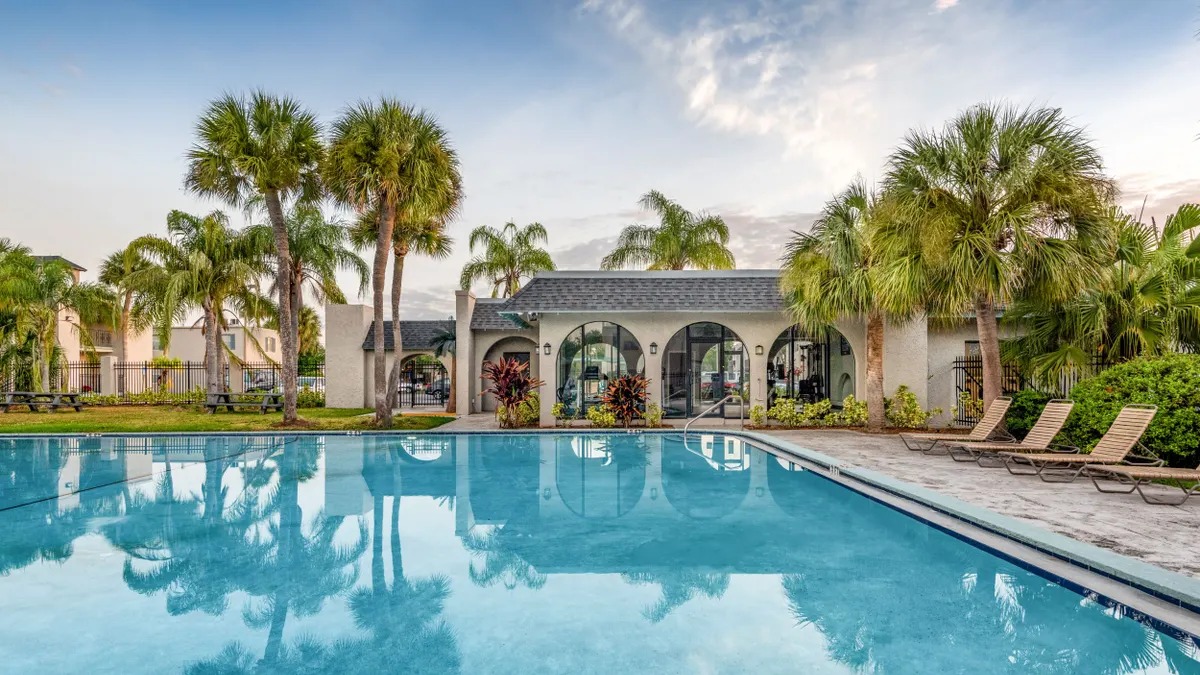
Managing swimming pools across multiple apartment communities can become challenging as portfolios grow. What works for one property may not work for another. Differences in pool size, resident volume, usage schedules, and local regulations all affect daily operations. As portfolios expand, scaling apartment pool service requires consistency, planning, and clear safety standards.
Without a structured approach, pool operations can become fragmented. Small issues, such as delayed cleaning, missed inspections, or unclear responsibilities, can lead to repeated closures, resident complaints, or compliance concerns. Scaling successfully means moving beyond isolated maintenance and focusing on systems that support every property equally.
Understanding the Risks of Inconsistent Pool Operations
Inconsistent pool operations increase safety and liability risks. Many people think drowning is the only danger associated with pools, but other hazards are common. Slips and falls on wet decks, malfunctioning drains, broken ladders, and poor water quality can all lead to injuries.
When apartment pool service is handled differently across properties, these risks are harder to control. One location may follow strict routines, while another may rely on reactive fixes. Over time, these gaps create patterns that expose owners to inspections, complaints, or unexpected shutdowns. Consistency across all locations helps reduce these risks and creates safer pool environments for residents.
Establishing Consistent Safety and Maintenance Standards
Basic pool safety principles apply to every property. Water must remain clear, chemical levels must stay balanced, and equipment must function properly. Deck areas should remain clean and free of hazards. When these standards vary across locations, oversight becomes more difficult.
Scaling apartment pool service works best when safety checks follow the same process across all locations. Routine testing schedules, visual inspections, and documented maintenance logs help create accountability. Standard procedures also make it easier to train staff and identify issues before they escalate into larger problems.
Managing Pool Equipment Across Multiple Communities
Pool equipment plays a major role in daily operations. Pumps, filters, drains, covers, cleaning tools, and safety signage must be used and maintained correctly and regularly. Improper use or delayed maintenance can lead to equipment failure and unsafe conditions.
In multi-property portfolios, equipment problems often go unnoticed until they affect pool availability. A scalable approach to pool management services includes consistent equipment handling guidelines and routine checks. When equipment use follows the same standards across all locations, problems are easier to spot and resolve early.
Emergency Readiness and Staff Awareness
As portfolios grow, emergency preparedness becomes more important. Staff experience levels often vary between properties, especially during peak seasons. Without clear response procedures, delays and confusion can occur during incidents.
Effective pool management services focus on readiness. This includes clear steps for handling injuries, water rescues, chemical issues, and unexpected closures. When staff across all locations follow the same response protocols, incidents are managed more efficiently and safely.
Navigating Pool Regulations Across Locations
Pool regulations vary by state, county, and city. Managing compliance across multiple locations can become complex without proper tracking. Missed inspections, outdated signage, or incomplete records can result in violations even when pools appear well-maintained.
Scaling pool management services requires organized systems for tracking inspections, permits, and safety requirements. Centralized documentation helps property owners and managers stay informed and prepared while reducing the administrative burden of managing multiple jurisdictions.
The Importance of Supervision and Clear Expectations
Supervision remains a key part of pool safety, especially in residential settings with children and families. Clear rules, posted guidelines, and visible oversight help reduce risky behavior and reinforce safe pool use.
When supervision practices differ from one property to another, residents notice. Consistent supervision expectations support safety and reinforce trust across the portfolio. This uniform approach also helps protect shared amenities and maintain a predictable resident experience.
Conclusion
Scaling apartment pool service across multi-property portfolios requires more than routine cleaning. It depends on consistency, safety awareness, and clear operational standards. By standardizing maintenance practices, managing equipment carefully, preparing for emergencies, and staying aligned with regulations, property owners can reduce risk and improve oversight.
Strong pool management services provide consistent standards across all locations, making pools safer, more reliable, and easier to manage. When every property follows the same systems and expectations, portfolios operate more smoothly, and residents benefit from safer, well-maintained pool environments year after year.