


Planning Safe Electrical Installations for Florida Properties
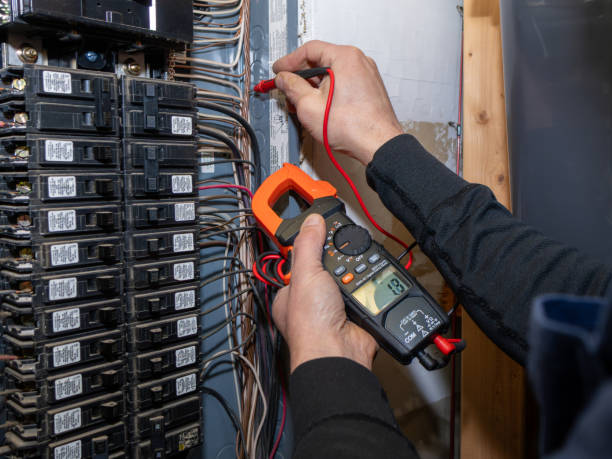
Electrical safety plays a major role in protecting Florida properties from fire hazards, system failures, and unexpected outages. Because homes and buildings in Florida face high humidity, seasonal storms, and heavy power demands, electrical installations must be planned with extra care. Proper planning ensures systems remain reliable, code-compliant, and safe for long-term use.
Why Careful Electrical Planning Matters
Electrical installations are not just about powering lights and outlets. They form the backbone of daily living, supporting appliances, cooling systems, and modern technology. Poor planning can lead to overloaded circuits, frequent breaker trips, or serious safety risks.
In Florida properties, electrical planning must also consider environmental stress. Heat, moisture, and storm exposure all increase the importance of thoughtful design and correct installation methods.
Reviewing Property-Specific Electrical Needs
Every property has unique electrical requirements. A single-family home, rental unit, or commercial space will each demand different load capacities and layouts. Before installation begins, planners assess how electricity will be used throughout the property.
This review includes evaluating appliance usage, air conditioning demands, lighting zones, and future expansion needs. Planning for growth helps avoid costly upgrades later.
Addressing Florida Climate Conditions
Florida’s climate affects electrical systems more than many homeowners realize. High humidity can cause corrosion, while storms increase the risk of power surges and outages. Electrical installations must be designed to reduce these risks.
Protective enclosures, moisture-resistant materials, and proper grounding techniques are essential. These measures help systems perform consistently even during harsh weather conditions.
Panel Capacity and Circuit Design
The electrical panel controls how power flows throughout a property. Planning safe installations requires selecting a panel that can handle both current and future demands. Florida homes often require higher capacity due to cooling systems, pool equipment, and outdoor features.
Circuit design also matters. Separating high-load appliances from general circuits reduces strain and improves overall system stability.
Wiring Routes and Placement Decisions
Safe electrical planning includes deciding how and where wiring will be routed. Wiring must be placed away from moisture-prone areas and secured properly to prevent wear over time.
Well-planned wiring routes also improve accessibility for future maintenance. This reduces disruption and cost if repairs or upgrades become necessary.
Safety Devices and Protective Features
Electrical safety relies on more than wiring alone. Planning includes incorporating devices that protect people and property. Ground fault protection, surge control, and proper grounding systems are critical in Florida properties.
These features reduce the risk of electric shock, appliance damage, and fire hazards. Planning for them early ensures they are integrated seamlessly into the system.
Code Compliance and Inspection Preparation
Florida electrical codes are designed to address local risks and safety standards. Planning installations with these codes in mind prevents delays, failed inspections, and future legal issues.
Permits and inspections are part of the process. Preparing for them from the start helps projects move forward smoothly and ensures installations meet required standards.
Coordinating Installation Work Carefully
Electrical installations often take place alongside construction or renovation work. Coordinating timing and layout with other systems prevents conflicts and errors.
Clear planning ensures outlets, switches, and fixtures are placed correctly before walls and finishes are completed. This avoids costly rework and ensures the finished space functions as intended.
Mid-Project Expertise and Execution
During complex projects, precise execution becomes just as important as planning. Many property owners rely on Electric installation Services in Jacksonville Beach, FL at this stage to ensure wiring, panels, and safety components are installed exactly as planned.
Careful execution reduces the risk of future failures and helps maintain system reliability across the entire property.
Testing Systems Before Use
Once installation is complete, testing confirms that every component operates correctly. Voltage levels, circuit balance, and protective devices are checked to ensure safe operation.
Testing identifies potential issues early, before the system is placed under full load. This step is essential for long-term safety and performance.
Planning for Future Electrical Demands
Safe electrical planning also looks ahead. Electric vehicles, smart home systems, and additional appliances may increase power needs over time. Including extra capacity during installation makes future upgrades easier and more affordable.
Forward planning protects the investment and allows properties to adapt to changing technology without major disruption.
Long-Term Safety and Reliability
Electrical installations that are planned carefully tend to last longer and require fewer repairs. Quality materials, correct layout, and proper safety features work together to create a dependable system.
For Florida properties, this level of planning provides peace of mind during storms, high-demand seasons, and everyday use.
Final Thoughts on Safe Electrical Planning
Planning safe electrical installations for Florida properties requires attention to detail, climate awareness, and a long-term mindset. Every decision, from panel size to wiring routes, impacts safety and performance.
When electrical planning is done correctly, property owners gain a system that supports comfort, efficiency, and protection for years to come. Careful preparation today prevents costly problems tomorrow and ensures electrical systems remain a strength rather than a risk.