

Pearlescent Film: Applications, Benefits, and Selection Guide
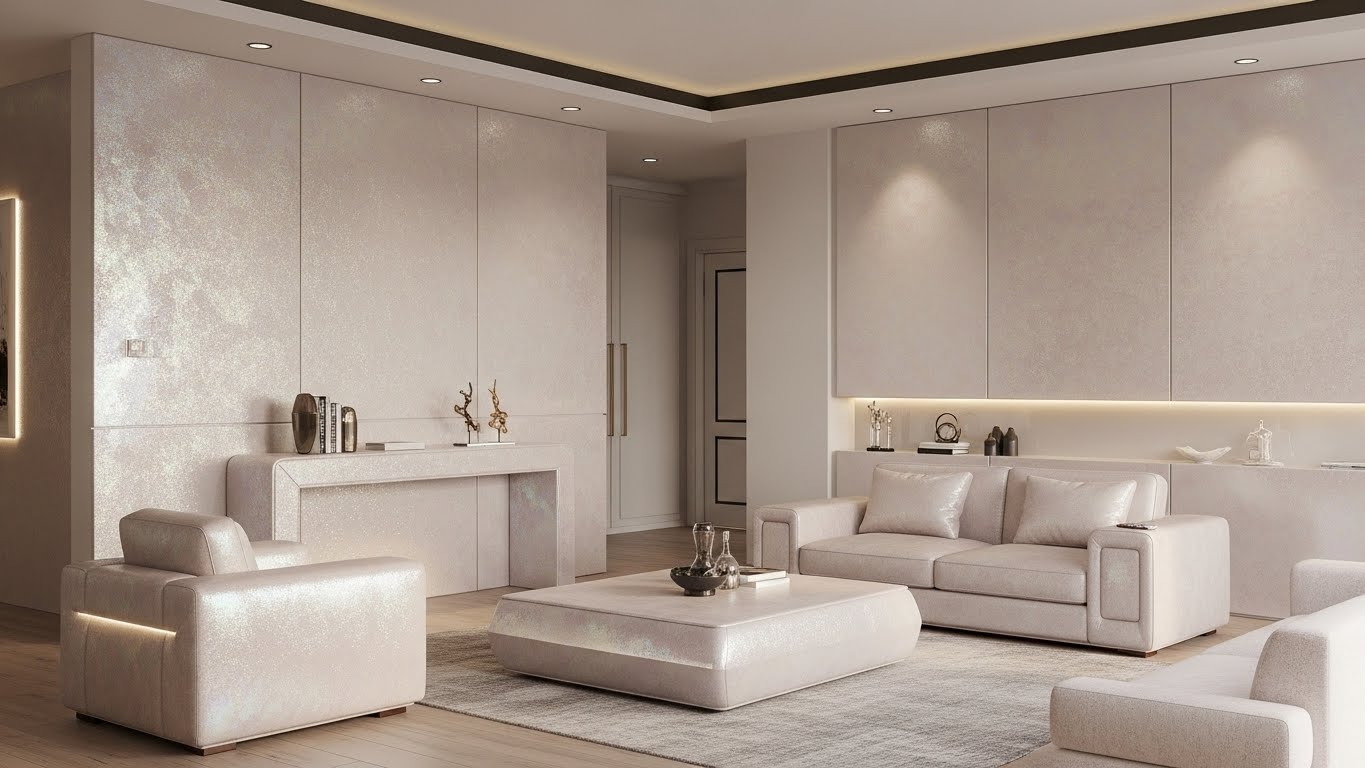
Pearlescent film is a specialty material designed to create a luminous, color-shifting effect that changes subtly under different lighting conditions. Unlike metallic films that provide a consistent reflective shine, pearlescent films produce a soft, multi-dimensional glow reminiscent of natural pearls. This unique visual quality is achieved through carefully engineered layers of pigments, often incorporating mica or titanium dioxide, which refract light at various angles.
In addition to aesthetic appeal, pearlescent films are valued for their versatility. They are available in adhesive-backed vinyl, laminates, and coatings, making them suitable for applications ranging from automotive customization to luxury packaging. Compared to iridescent or holographic films, pearlescent finishes are more subtle, offering sophistication without overwhelming the viewer.
How Pearlescent Film Works
The magic behind pearlescent film lies in optical interference. As light interacts with the microscopic layers of pigment embedded in the film, certain wavelengths are reflected while others are absorbed or refracted. This phenomenon creates the characteristic shimmer and color shift that defines pearlescent materials.
Mica, a naturally occurring mineral, is one of the most common pigments used in these films. Its layered crystal structure enhances light refraction, giving the film its depth and pearly glow. Titanium dioxide and other specialty pigments may be added to amplify brightness or shift the color spectrum. By adjusting the thickness and composition of these layers, manufacturers can produce a wide range of visual effects, from soft pastel glows to bold, eye-catching finishes.
This technology allows pearlescent films to be applied on diverse surfaces without losing their optical quality, making them a preferred choice for designers and manufacturers who want both aesthetics and functionality.
Applications of Pearlescent Film
Automotive Industry
Pearlescent films are particularly popular in the automotive sector for vehicle wraps and custom finishes. They allow car owners and manufacturers to achieve a premium, showroom-quality appearance without the permanent commitment of custom paint. Brands like 3M and Avery Dennison offer a range of pearlescent vinyl films specifically designed for automotive applications, combining durability with scratch and UV resistance.
Luxury vehicles often use pearlescent coatings to create color-shifting effects that change as the car moves in the light. This not only enhances visual appeal but also adds an element of exclusivity, making vehicles stand out on the road.
Packaging and Branding
Beyond vehicles, pearlescent films have gained popularity in packaging and branding. Cosmetics, high-end beverages, and luxury products use pearlescent laminates to create packaging that catches the eye and conveys sophistication. The light-reflective quality enhances brand perception, drawing consumer attention in competitive retail environments.
For instance, a cosmetic brand might use pearlescent wraps for limited-edition product lines, giving packaging a soft, luminous effect that distinguishes it from standard designs.
Interior Design and Decorative Uses
In interior design, pearlescent films are applied to furniture, wall panels, and decorative accents. They add depth and subtle shimmer to living spaces without being overwhelming. Designers often use pearlescent laminates for kitchen backsplashes, accent walls, or cabinet finishes, creating environments that feel both modern and elegant.
Pearlescent films are also versatile enough for temporary installations in exhibitions, art galleries, or trade shows, where visual impact is critical.
Benefits of Using Pearlescent Film
Pearlescent films offer several advantages across industries:
- Durability and UV Protection: High-quality films resist fading and damage from sunlight, ensuring long-lasting color integrity.
- Aesthetic Appeal: The subtle shimmer and color-shifting properties create visual interest and premium looks.
- Versatility: Suitable for vehicles, packaging, and interior applications, pearlescent films can adhere to various surfaces, including metal, glass, and wood.
- Ease of Application: Adhesive-backed films allow for DIY or professional installations without specialized equipment.
- Customizability: Manufacturers can produce films in multiple hues, finishes, and thicknesses to meet specific design needs.
Choosing the Right Pearlescent Film
Selecting the optimal pearlescent film requires attention to several factors:
- Film Thickness: Thicker films often provide better durability but may be harder to apply on curved surfaces.
- Adhesive Type: Permanent vs. removable adhesives affect installation flexibility and surface compatibility.
- Manufacturer Reputation: Trusted brands like 3M, Avery Dennison, and ORAFOL offer certified quality, warranties, and extensive product lines.
- Cost vs. Quality: Premium films may cost more upfront but deliver longer-lasting, more visually striking results.
- Application Environment: Consider whether the film will be exposed to sunlight, moisture, or frequent handling, which can impact longevity.
Installation and Maintenance Tips
Proper installation ensures optimal results and longevity:
- Surface Preparation: Clean, smooth surfaces prevent bubbles and peeling. Remove dust, grease, and any contaminants before application.
- Application Technique: Use a squeegee or roller for even adhesion. For curved surfaces, gently heat the film to increase flexibility.
- Maintenance: Clean with mild soap and water; avoid abrasive tools or harsh chemicals that could damage the surface.
- Inspection: Regularly check for peeling edges or scratches and repair promptly to maintain visual quality.
Future Trends in Pearlescent Films
The pearlescent film industry is evolving with technology and sustainability trends:
- Advanced Pigments: Researchers are developing pigments that provide more intense shimmer and broader color ranges while reducing material usage.
- Eco-Friendly Materials: Biodegradable and recyclable pearlescent films are entering the market, catering to environmentally conscious brands.
- Smart Coatings: Integration with smart materials, such as films that respond to temperature or light, is expanding design possibilities for both interiors and automotive finishes.
FAQs
1. What is the difference between pearlescent and iridescent films?
Pearlescent films offer subtle color shifts with a soft glow, while iridescent films produce vibrant, rainbow-like effects that change dramatically with viewing angle.
2. Can pearlescent films be applied to any surface?
They work best on smooth, clean surfaces like metal, glass, and certain plastics. Textured or porous surfaces may require additional preparation.
3. How long does a pearlescent film last?
High-quality films can last 5–10 years, depending on exposure to sunlight, moisture, and wear.
4. Are pearlescent films removable?
Some films are designed to be removable, while others provide permanent adhesion. Check the manufacturer’s specifications.
5. Can pearlescent films be used outdoors?
Yes, many automotive and exterior-grade films are UV-resistant and weatherproof.
6. Which brands are recommended for automotive pearlescent films?
3M, Avery Dennison, and ORAFOL are trusted brands offering durable and visually appealing products.
7. Are pearlescent films environmentally friendly?
Traditional films are vinyl-based, but newer eco-friendly options are biodegradable or recyclable, supporting sustainable practices.