
Natural and Medical Sciatica Treatment: What Works Best?
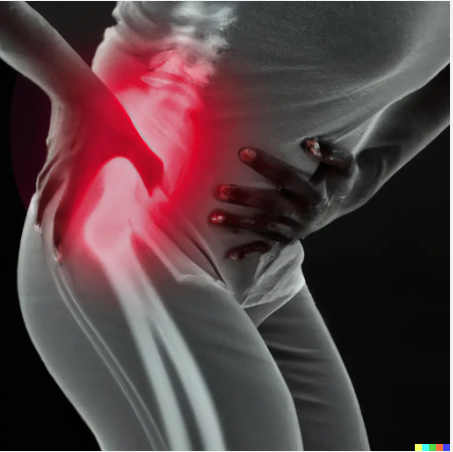
Sciatica, characterized by sharp, radiating pain that travels from the lower back through the hip and down the sciatic nerve into the leg, is more of a symptom than a standalone condition. It is typically triggered by an underlying issue—such as a herniated disc, spinal stenosis, or piriformis syndrome—that compresses or irritates the sciatic nerve. Because the origins of the pain vary, there is no “one-size-fits-all” remedy. For those suffering from this often debilitating condition, the quest for relief involves balancing natural, conservative management with targeted medical interventions to determine what works best for their specific pathology.
The Role of Natural and Conservative Management
For the vast majority of patients, sciatica is self-limiting and responds well to conservative, non-invasive treatments. The primary goal in the acute phase is inflammation reduction and symptom management.
Physical therapy is often considered the gold standard of natural treatment. A skilled physical therapist can guide patients through McKenzie exercises, which focus on repetitive movements to “centralize” pain—moving it away from the leg and back toward the spine, where it is generally more manageable. Strengthening the core musculature is equally vital; by stabilizing the lumbar spine, patients can reduce the mechanical stress placed on the discs that may be compressing the nerve.
Lifestyle modifications also play a significant role. Gentle movement, such as walking, is often preferred over prolonged bed rest, which can actually stiffen the joints and weaken the muscles, exacerbating the pain. Ergonomic adjustments—like using a standing desk or improving sleep posture with a pillow between the knees—can alleviate the daily pressure on the lower back. Additionally, many find relief through anti-inflammatory dietary choices or topical applications like menthol-based creams and heat/ice therapy, which help modulate pain signals without the systemic side effects of medication.
The Medical Path: When Interventions Become Necessary
While natural methods are effective for many, they are not always sufficient, especially in cases where the nerve compression is severe or chronic. Medical treatment serves to bridge the gap between temporary relief and long-term functional recovery.
Over-the-counter nonsteroidal anti-inflammatory drugs (NSAIDs) are usually the first line of pharmacological defense. When those fail, physicians may prescribe muscle relaxants or neuropathic pain relievers, such as gabapentin, to dampen the hyper-excitability of the damaged nerve. However, these medications mask symptoms rather than addressing the mechanical impingement.
For persistent cases, an epidural steroid injection is a common middle-ground medical intervention. By delivering a potent corticosteroid directly to the area surrounding the sciatic nerve, clinicians can rapidly reduce localized inflammation. This often provides a “window of opportunity” for patients to engage in physical therapy, which they were previously unable to perform due to excessive pain.
In the most severe instances—specifically when the patient exhibits progressive neurological deficits, such as muscle weakness, foot drop, or loss of bowel or bladder control—surgical intervention becomes necessary. Procedures like a microdiscectomy (the removal of a portion of a herniated disc) aim to physically decompress the nerve. While surgery carries risks, it is highly effective for patients whose quality of life has been severely compromised by permanent or intractable nerve pressure.
Determining “What Works Best”
The reality of sciatica treatment NJ is that the “best” approach is almost always a multimodal, phased strategy. Patients rarely find success by choosing only medical intervention or only natural remedies. Instead, the most successful trajectory follows a logical hierarchy:
- The Acute Phase: Prioritize inflammation management using conservative methods (ice/heat, gentle movement, NSAIDs) to stabilize the situation.
- The Rehabilitation Phase: Engage in structured physical therapy to address the mechanical root cause of the impingement, such as poor posture or weak core stabilizers.
- The Intervention Phase: If plateauing occurs, introduce medical procedures like targeted injections to facilitate further recovery.
- The Maintenance Phase: Adopt permanent lifestyle changes—weight management, consistent exercise, and ergonomic awareness—to prevent recurrence.
“What works best” is ultimately a conversation between the patient and their healthcare provider. It requires an accurate diagnosis, often facilitated by MRI or EMG testing, to ensure that the treatment is targeting the correct structural failure. While the pain can feel overwhelming, understanding that sciatica is a treatable condition—and that most people recover without the need for surgery—provides a hopeful outlook. By combining the immediate relief of medical science with the long-term structural benefits of conservative management, most patients can successfully return to their normal lives pain-free.