

Mold Removal in Tennessee: Steps Pros Take to Keep Homes Safe
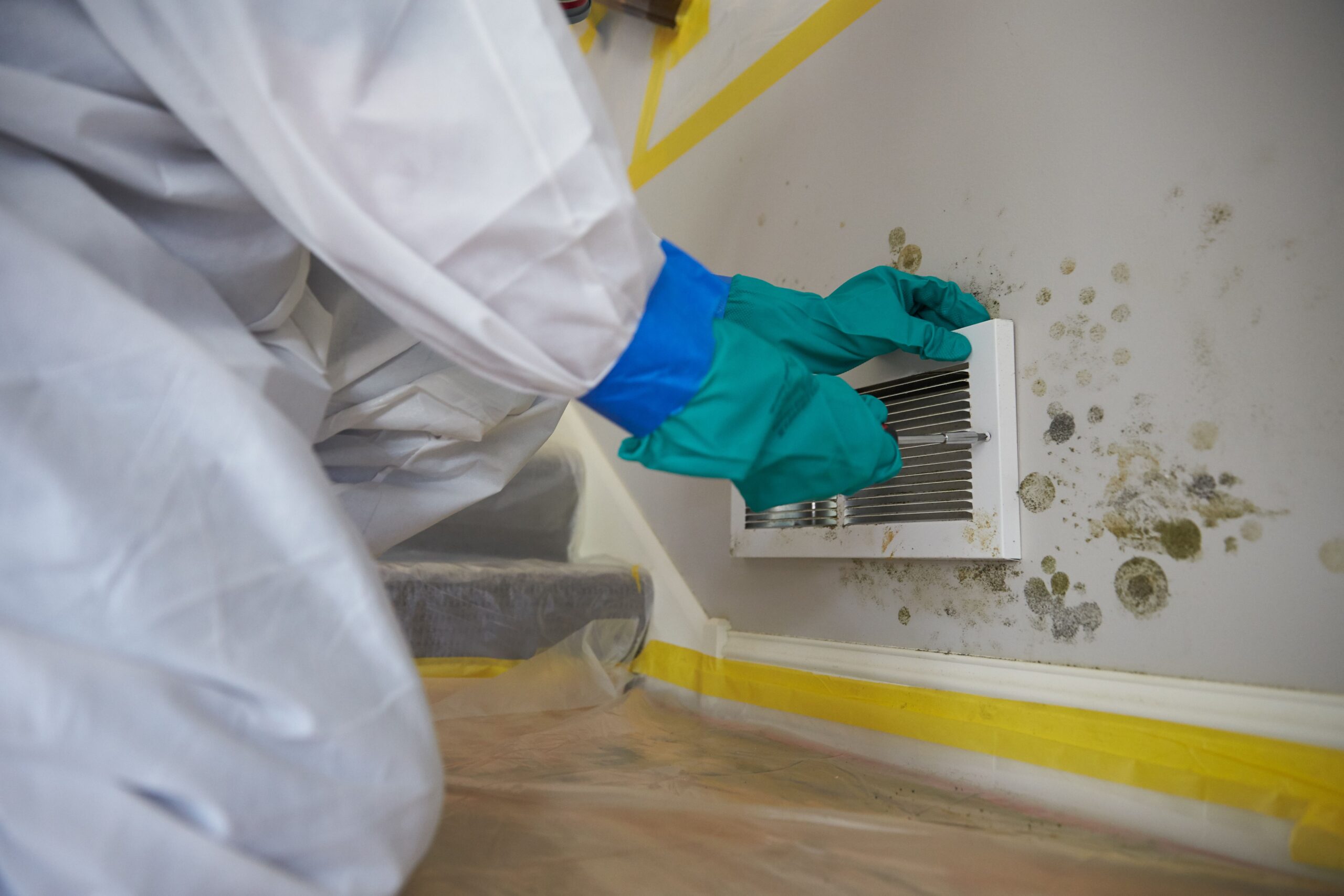
Mold can grow quietly inside any Tennessee home, especially when humidity rises after long stretches of rain. Many homeowners only notice the problem when musty smells spread through rooms or dark patches begin appearing on walls. By the time mold becomes visible, it may already be affecting indoor air quality and weakening building materials. Because mold spreads fast, knowing how professionals manage cleanup helps homeowners understand what real protection looks like and why trained technicians are so effective at preventing recurring issues.
Homes across Tennessee face different risks depending on age, ventilation, and moisture exposure. Some properties deal with lingering dampness after plumbing leaks, while others accumulate moisture in attics and crawl spaces. Each situation requires careful attention, and the best mold specialists use detailed assessments before removing a single patch. Their approach keeps families safe and ensures the problem does not return.
How Experts Begin a Careful Assessment of Mold Problems
Professionals always start with a full evaluation of the affected area. Instead of only checking visible mold, they look for hidden growth behind drywall, flooring, insulation, or cabinets. They also examine the home’s moisture pathways. Mold cannot grow without water, so discovering the source of dampness is just as important as removing the mold itself.
The first stage of an inspection focuses on small signs that might seem unimportant. Slight discoloration on ceilings, peeling paint, or softened drywall can indicate a deeper issue. Specialists lightly probe surfaces to feel for trapped moisture and use small meters to measure humidity levels around the home. They also check for warping or swelling in wooden structures, which often reveals slow leaks or prolonged exposure to moisture.
Once this detailed assessment is complete, professionals determine how far the contamination extends. This early preparation shapes the rest of the cleanup plan, making sure every affected area is treated properly instead of only addressing what is easy to see.
Why Professionals Control Airflow Before Cleanup Begins
One important step homeowners often overlook is how easily mold spreads during removal. Disturbing mold releases tiny particles into the air, which can travel across rooms and settle in new areas. To prevent this, technicians isolate the contaminated space before any cleaning starts. They use plastic barriers and negative air machines to keep mold spores from moving to clean sections of the home.
This stage protects both the residents and the cleanup team. Mold fragments can irritate the eyes, throat, and skin, so professionals wear protective gear from head to toe. Controlling airflow also helps reduce cross-contamination. Without this protection, mold can spread into vents, closets, or behind furniture in nearby rooms.
Midway through the process, technicians often explain to homeowners why containment matters. This is where your one-time keyword fits naturally: Many residents only learn about methods like controlled airflow when they contact Mold Removal Services in Murfreesboro, TN, because the procedure is rarely discussed until a serious mold issue appears.
How Experts Remove Contaminated Materials Safely
Once the area is sealed and secure, specialists begin removing damaged materials. Mold growth sometimes stays on the surface, but in many Tennessee homes it penetrates deeper. Drywall, carpeting, insulation, or sections of flooring may need to be cut out and discarded. This step sounds intense, but it prevents mold from regrowing in hidden areas.
Professionals handle these materials carefully to avoid spreading debris. Each piece is bagged and sealed before leaving the home. They also bag items close to the affected zone that have absorbed moisture or mold, such as baseboards or trim. Removing these items gives the team clear access to the underlying structure, allowing them to locate deeper roots of the problem.
Once contaminated materials are taken out, the team cleans and dries the area thoroughly. Using specialized tools, they scrub every surface where mold might cling. They also use equipment that reduces airborne particles during the cleaning stage, keeping the surrounding air as safe as possible. This slow, steady approach helps ensure no hidden pockets remain.
Drying and Dehumidifying: The Essential Step That Prevents Future Mold
Even when everything looks clean, mold can regrow if moisture returns. This is why drying the area is such a critical part of the professional process. Technicians use strong dehumidifiers and fans to remove moisture from the air as well as from building materials.
Drying may take several hours or a few days depending on the size of the contaminated area. Older homes tend to absorb water more easily and may require extra time. During this stage, specialists track humidity levels around the home. They adjust their equipment as needed to maintain low moisture. This ensures that when repairs begin, the surfaces are fully dry and ready for new materials.
Many mold problems in Tennessee return because dampness remains inside walls or flooring after a leak. Professionals avoid this risk through detailed drying methods. By removing moisture thoroughly, they break the cycle that keeps mold coming back.
Restoring the Home With Clean Materials and Better Protection
After drying is complete, the restoration stage begins. This is where technicians rebuild the areas that were opened during cleanup. They install new drywall, insulation, flooring, or trim as needed. These new materials give the home a clean start.
Professionals may also recommend improvements that help prevent mold in the future. Suggestions often include better ventilation, updated bathroom fans, or adjustments in crawl spaces to reduce moisture. These additions not only help avoid mold but also improve overall indoor air quality.
Restoration marks the final step, but it also represents a fresh beginning for homeowners. With cleaner air, improved protection, and updated materials, residents regain a sense of comfort and safety.
Why Professional Mold Removal Matters for Tennessee Homes
Handling mold without training can create bigger problems. Disturbing mold releases particles that can move quickly throughout the home. Without proper barriers, air control, and cleanup tools, homeowners may only remove the surface layer while deeper mold continues to grow.
Professionals bring experience, equipment, and a methodical process that addresses every stage of the issue. Their approach keeps families safe, restores damaged areas effectively, and protects the home from future growth. Tennessee homes benefit greatly from this careful and complete strategy.
When mold appears suddenly or keeps returning, trusting specialists ensures a cleaner, healthier environment. Their work provides long-term confidence that the home is protected from deeper damage and hidden moisture.