
Modern Industrial Filtration: The Rising Importance of Filter Press Systems
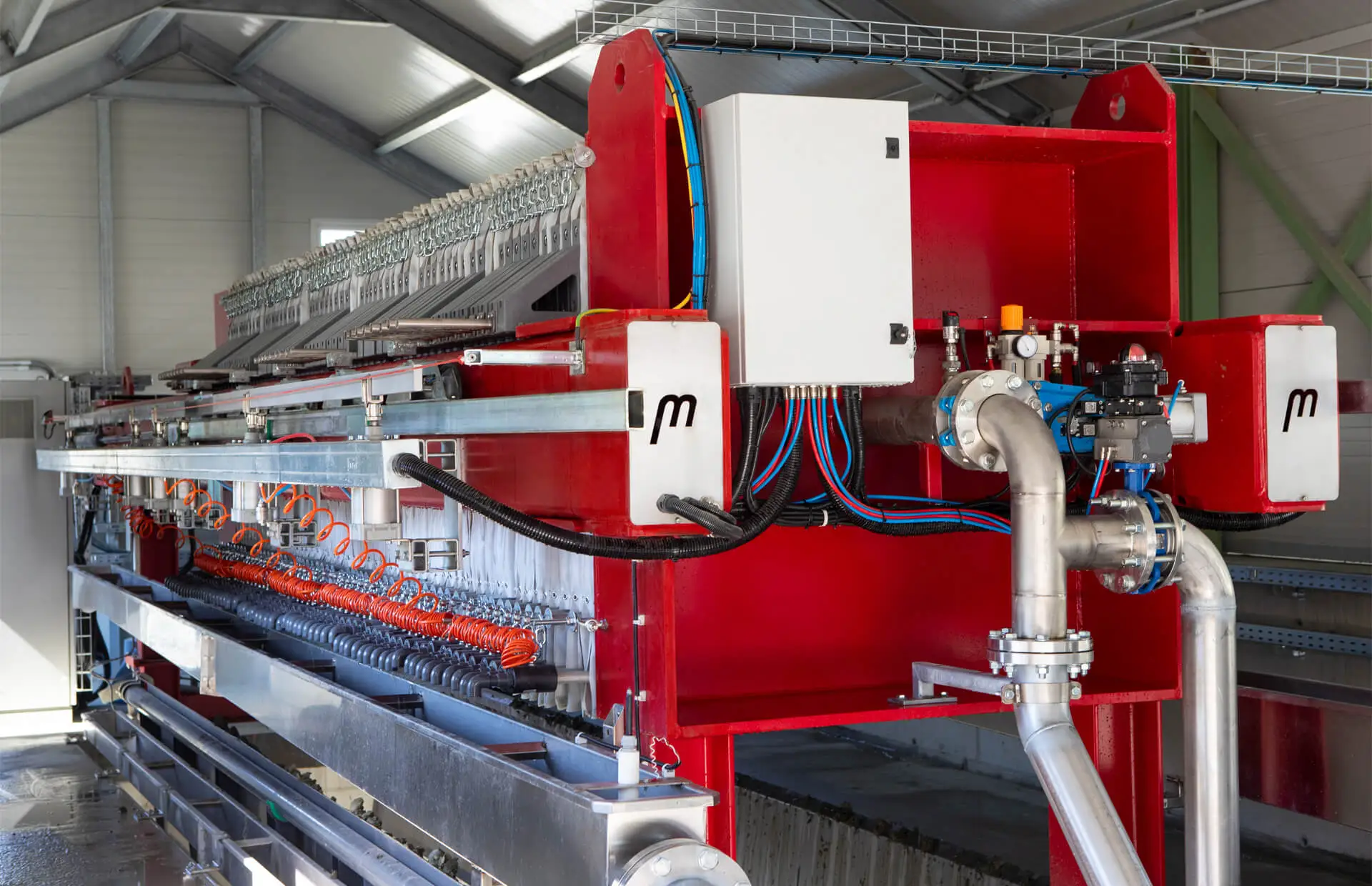
In today’s rapidly evolving industrial environment, maintaining efficiency, sustainability, and product quality has become more important than ever. One of the most essential processes that supports these goals is industrial filtration. Many industries rely on advanced filtration technologies to separate solids from liquids during manufacturing and processing operations. Among the most trusted solutions used across industries is the Filter Press Machine, which is designed to deliver precise and reliable solid-liquid separation while supporting consistent production performance.
Filter press technology has become an integral part of modern industrial infrastructure. From wastewater treatment facilities to chemical plants, industries rely on this equipment to ensure that filtration processes remain efficient and dependable. As production demands grow, the role of advanced filtration systems continues to expand across multiple sectors.
The Importance of Filtration in Industrial Processes
Filtration plays a critical role in ensuring that industrial processes remain efficient and productive. Many manufacturing operations involve liquids mixed with suspended solids. These materials must be separated to maintain product quality and prevent contamination.
Effective filtration allows industries to:
- Improve product purity
- Enhance process efficiency
- Support environmental sustainability
- Maintain consistent operational performance
Without reliable filtration systems, many industries would struggle to achieve the high standards required in modern manufacturing environments.
Understanding How a Filter Press Works
A filter press is a mechanical device used to separate solids from liquids using pressure filtration. The system consists of multiple filter plates arranged in a sequence to create chambers where filtration occurs.
The filtration process typically follows these steps:
- Slurry is pumped into the filter press chambers.
- Pressure forces the liquid portion of the slurry through filter cloths.
- Solid particles are retained within the chambers, forming filter cake.
- The filtered liquid, known as filtrate, exits the system.
Once the filtration cycle is completed, the plates are opened and the filter cake is removed. The system is then ready for the next filtration cycle.
This process provides highly efficient separation results and is widely used in industrial applications.
Major Components of a Filter Press System
A filter press system is composed of several key components that work together to ensure effective filtration.
Filter Plates
Filter plates are the core structural elements of the machine. They create chambers where the filtration process takes place and are designed to withstand high pressure during operation.
Filter Cloths
Filter cloths serve as the filtration medium. They trap solid particles while allowing liquid to pass through.
Hydraulic Compression System
The hydraulic system presses the filter plates together tightly to create sealed chambers. This pressure ensures efficient filtration and prevents leakage.
Slurry Feeding System
The feeding system pumps slurry into the filter press chambers. Proper distribution of slurry helps improve filtration performance.
Industries That Use Filter Press Technology
Filter press systems are used in a wide variety of industries due to their ability to handle complex filtration requirements.
Wastewater Treatment
Wastewater treatment plants use filter presses to separate sludge from water, improving the efficiency of the treatment process and helping facilities manage waste effectively.
Chemical Processing
Chemical manufacturers rely on filtration systems to remove impurities from chemical mixtures. Filter presses ensure that chemical products meet strict quality standards.
Mining and Mineral Processing
Mining operations produce slurry that contains valuable minerals along with waste materials. Filter presses help separate these materials efficiently, allowing industries to recover useful resources.
Food and Beverage Production
Filtration plays a crucial role in maintaining hygiene and quality in food production. Filter press systems assist in removing impurities from liquids used in processing.
Pharmaceutical Manufacturing
Pharmaceutical companies require precise filtration systems to maintain purity and consistency in their production processes.
Benefits of Using Filter Press Systems
Modern filter press technology offers numerous benefits that make it a preferred filtration solution for many industries.
High Filtration Efficiency
Filter presses provide excellent separation of solids and liquids, ensuring consistent and reliable filtration results.
Strong and Durable Design
Industrial filter press machines are built to operate in demanding environments while maintaining stable performance.
Adaptability for Different Applications
Filter press systems can be customized to suit the needs of various industries and production processes.
Improved Operational Productivity
Reliable filtration systems help industries streamline production and maintain smooth operational workflows.
Innovations in Filter Press Technology
The design and functionality of filter press systems have improved significantly over the years. Manufacturers continue to introduce new features that enhance performance and efficiency.
Automation and Smart Control
Many modern filter press systems include automated functions such as plate shifting, slurry feeding, and cake discharge. These features help reduce manual effort and improve efficiency.
Advanced Construction Materials
The use of high-performance materials in filter plates and frames enhances durability and ensures longer equipment lifespan.
Monitoring and Process Optimization
Digital monitoring systems allow operators to track filtration cycles, pressure levels, and equipment performance in real time.
These advancements allow industries to achieve greater efficiency and control over their filtration processes.
Choosing the Right Filter Press System
Selecting the right filtration equipment is essential for achieving reliable and efficient industrial operations. Companies typically consider several factors when evaluating filtration systems.
Key considerations include:
- Production capacity requirements
- Type of slurry or material being processed
- Pressure and filtration cycle requirements
- Equipment durability and performance
- Compatibility with existing systems
Choosing the appropriate filter press system ensures that industrial processes remain efficient and productive.
The Expanding Global Market for Filtration Equipment
Industrial filtration equipment continues to experience strong demand as industries expand and modernize their operations. Businesses are investing in advanced filtration technologies that improve efficiency while supporting sustainable production practices.
Filtration equipment helps industries manage waste, reduce environmental impact, and maintain high-quality production standards. These factors have contributed to the growing importance of filter press systems worldwide.
India has emerged as a major hub for the manufacturing and supply of industrial filtration equipment. The country’s strong engineering capabilities and expanding industrial sector have enabled manufacturers to develop advanced filtration solutions for global markets.
Supporting Industries with Reliable Filtration Equipment
Industrial operations require dependable filtration systems to maintain consistent production results. Experienced Filter Press Suppliers in India play an important role in delivering high-performance filtration equipment that supports the needs of modern industries.
These suppliers provide filtration systems designed to meet the requirements of various sectors while ensuring durability, efficiency, and reliable performance.
The Future of Industrial Filtration
The future of industrial filtration technology looks promising as manufacturers continue to innovate and develop more advanced filtration solutions. As industries adopt digital manufacturing systems and automation, filtration equipment is also evolving to meet new production demands.
Some key trends expected in the future include:
Smart Filtration Systems
Filter press machines may become increasingly integrated with smart manufacturing systems that allow real-time monitoring and process optimization.
Energy-Efficient Equipment
New filtration technologies are being developed to reduce energy consumption while maintaining high productivity.
Customized Industrial Filtration Solutions
Industries are increasingly seeking specialized filtration systems designed to meet specific operational requirements.
These advancements will help industries achieve higher efficiency while supporting sustainable manufacturing practices.
Conclusion
Filter press systems have become an essential part of modern industrial operations. Their ability to provide efficient and reliable solid-liquid separation makes them valuable across numerous sectors, including wastewater treatment, chemical processing, mining, food production, and pharmaceuticals.
With continuous technological advancements and increasing demand for efficient filtration solutions, filter press machines will continue to play a vital role in supporting industrial productivity and innovation. Businesses that invest in modern filtration technology can enhance operational efficiency, maintain product quality, and achieve sustainable long-term growth.