LNG Project Management: Driving Efficiency, Safety, and Global Energy Growth
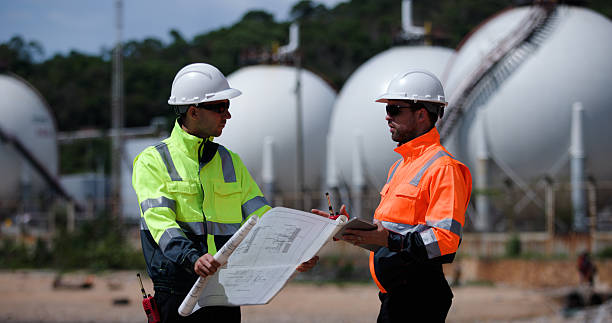
Liquefied Natural Gas (LNG) has become a cornerstone of the global energy transition, offering a cleaner-burning alternative to traditional fossil fuels. As demand for LNG continues to rise worldwide, the need for structured, efficient, and strategic LNG project management has never been more critical. From initial feasibility studies to final commissioning, every stage requires precision, coordination, and expert oversight to ensure success.
Understanding LNG Projects
LNG projects are among the most complex infrastructure developments in the energy sector. They involve multiple phases including exploration, liquefaction, transportation, storage, and regasification. Each phase presents unique technical, financial, and regulatory challenges.
Effective LNG project management ensures that all these components are seamlessly integrated. It helps organizations manage risks, control costs, maintain timelines, and meet strict environmental and safety standards.
Key Phases of LNG Project Management
1. Feasibility and Planning
The success of any LNG project begins with a comprehensive feasibility study. This includes market analysis, technical assessments, environmental impact studies, and financial modeling. Proper planning lays the foundation for informed decision-making and risk mitigation.
2. Engineering and Design
During this phase, detailed engineering designs are developed. This includes selecting appropriate technologies, designing liquefaction facilities, and ensuring compliance with international standards. Collaboration among multidisciplinary teams is crucial at this stage.
3. Procurement and Construction
Procurement involves sourcing materials, equipment, and services required for the project. Construction is one of the most resource-intensive phases, requiring strict coordination between contractors, suppliers, and project managers.
4. Commissioning and Start-Up
Once construction is complete, the facility undergoes rigorous testing and commissioning. This phase ensures that all systems function as intended and meet safety and performance benchmarks.
5. Operations and Maintenance
After the project becomes operational, ongoing monitoring and maintenance are essential to ensure efficiency and longevity. Continuous optimization helps in maximizing output while minimizing operational risks.
Challenges in LNG Project Management
Managing LNG projects comes with a unique set of challenges:
- High Capital Investment: LNG projects require significant upfront investment, making cost control critical.
- Regulatory Compliance: Projects must adhere to strict environmental and safety regulations across different regions.
- Supply Chain Complexity: Coordinating global suppliers and logistics can be challenging.
- Technological Integration: Advanced technologies must be seamlessly integrated into the project.
- Risk Management: From geopolitical risks to operational hazards, effective risk management strategies are essential.
Importance of Strategic Project Management
Strategic LNG project management is not just about completing a project on time—it’s about delivering long-term value. It ensures that projects are aligned with business goals, sustainability targets, and market demands.
A well-managed LNG project can:
- Improve operational efficiency
- Reduce environmental impact
- Enhance safety standards
- Optimize resource utilization
- Increase return on investment
Role of Technology in LNG Projects
Technology plays a vital role in modern LNG project management. Digital tools such as advanced analytics, automation, and real-time monitoring systems help improve decision-making and operational efficiency.
Some key technological advancements include:
- Digital Twin Technology: Enables real-time simulation and optimization
- AI and Data Analytics: Enhances predictive maintenance and risk assessment
- Automation Systems: Improve safety and reduce human error
- Cloud-Based Platforms: Facilitate collaboration and data sharing
Sustainability and Environmental Considerations
As the world moves toward cleaner energy solutions, sustainability has become a core focus in LNG project management. Companies are increasingly adopting practices that reduce carbon emissions, improve energy efficiency, and minimize environmental impact.
This includes:
- Implementing carbon capture and storage (CCS) technologies
- Reducing methane emissions
- Optimizing energy consumption
- Adopting renewable energy sources where possible
Why Expertise Matters
Given the complexity of LNG projects, having the right expertise is crucial. Experienced project management teams bring industry knowledge, technical skills, and strategic insights that are essential for success.
VZFOX Canada Ltd has established itself as a trusted partner in delivering comprehensive energy solutions. With a strong focus on innovation, safety, and sustainability, VZFOX Canada Ltd supports organizations in navigating the complexities of LNG projects with confidence and precision.

Future Outlook of LNG Projects
The future of LNG looks promising, driven by increasing global demand and the shift toward cleaner energy sources. Emerging markets, technological advancements, and supportive government policies are expected to further accelerate LNG project development.
However, success in this evolving landscape will depend on effective LNG project management, strong partnerships, and a commitment to sustainability.
Conclusion
LNG projects play a vital role in shaping the future of global energy. Their complexity requires a structured and strategic approach to ensure successful execution. From planning and design to construction and operation, every phase must be carefully managed to achieve optimal results.
By leveraging advanced technologies, adopting sustainable practices, and partnering with experienced organizations like VZFOX Canada Ltd, businesses can unlock the full potential of LNG projects and contribute to a cleaner, more efficient energy future.
Frequently Asked Questions (FAQs)
1. What is LNG project management?
LNG project management involves planning, executing, and overseeing LNG infrastructure projects from start to finish, ensuring they meet technical, financial, and regulatory requirements.
2. Why is LNG important in the energy sector?
LNG is a cleaner-burning fuel compared to coal and oil, making it an important part of the global transition toward sustainable energy.
3. What are the main challenges in LNG projects?
Key challenges include high costs, regulatory compliance, supply chain complexity, and risk management.
4. How does technology improve LNG projects?
Technology enhances efficiency, safety, and decision-making through tools like AI, automation, and real-time monitoring systems.
5. How can companies ensure successful LNG project execution?
By adopting effective project management strategies, leveraging technology, and working with experienced partners like VZFOX Canada Ltd.