Kimonos: A Complete Guide to This Timeless Fashion Piece
Kimonos are one of the most iconic garments in the world, known for their elegant silhouette, flowing sleeves, and cultural significance. Originally from Japan, the kimono has evolved from a traditional outfit into a globally recognized fashion piece worn in both traditional and modern styles. Today, kimonos are admired not only for their beauty but also for their versatility in fashion.
From cultural ceremonies to modern streetwear and beachwear, kimonos continue to influence fashion trends around the world. Understanding the different types of kimonos and how they are worn can help appreciate their rich heritage and their place in contemporary fashion.
What is a Kimono?
A kimono is a traditional Japanese garment characterized by its T-shaped structure, long sleeves, and wrap-style front. It is typically secured with a wide belt known as an obi. Historically, kimonos were worn by men, women, and children in Japan as everyday clothing.
Traditional kimonos are usually made from materials such as silk, cotton, or linen and often feature beautiful patterns inspired by nature, seasons, and cultural symbols. Over time, the kimono has become a symbol of Japanese heritage and craftsmanship.
In modern fashion, the kimono has also inspired lightweight robes, open-front jackets, and stylish cover-ups that maintain the traditional shape while adapting to contemporary trends.
Traditional Kimonos
Traditional kimonos are deeply rooted in Japanese culture and are often worn during special occasions, festivals, weddings, and formal ceremonies. These garments are usually crafted with detailed patterns and high-quality fabrics.
Different styles of traditional kimonos represent different occasions and social statuses. For example, certain kimonos are worn by unmarried women, while others are designed for married women or formal events.
Traditional kimonos require careful dressing techniques and are often paired with accessories such as obi belts, decorative cords, and traditional footwear.
Casual Kimonos
Casual kimonos are simpler versions designed for everyday comfort. They are usually made from cotton or lightweight fabrics and feature minimal designs compared to formal kimonos.
One popular example is the yukata, which is a lightweight cotton kimono often worn during summer festivals in Japan. Yukatas are easy to wear and are commonly paired with simple sandals.
Casual kimonos have also become popular in global fashion as relaxed outerwear that can be worn with jeans, dresses, or shorts.
Modern Fashion Kimonos
Modern fashion designers have adapted the kimono into contemporary clothing styles. Today, kimono-inspired garments are widely used in casual fashion, resort wear, and street style.
Modern kimonos often feature open fronts without belts, shorter sleeves, and lightweight fabrics such as chiffon, satin, or rayon. These designs are meant to be layered over other outfits rather than worn as traditional clothing.
Fashion kimonos are commonly worn as stylish layering pieces over tank tops, dresses, or swimsuits. Their relaxed and flowing design makes them comfortable and fashionable for everyday wear.
Kimono Jackets
Kimono jackets are shorter variations of the traditional kimono and are commonly used in modern fashion. These jackets maintain the kimono-inspired sleeves and shape but are designed as outerwear.
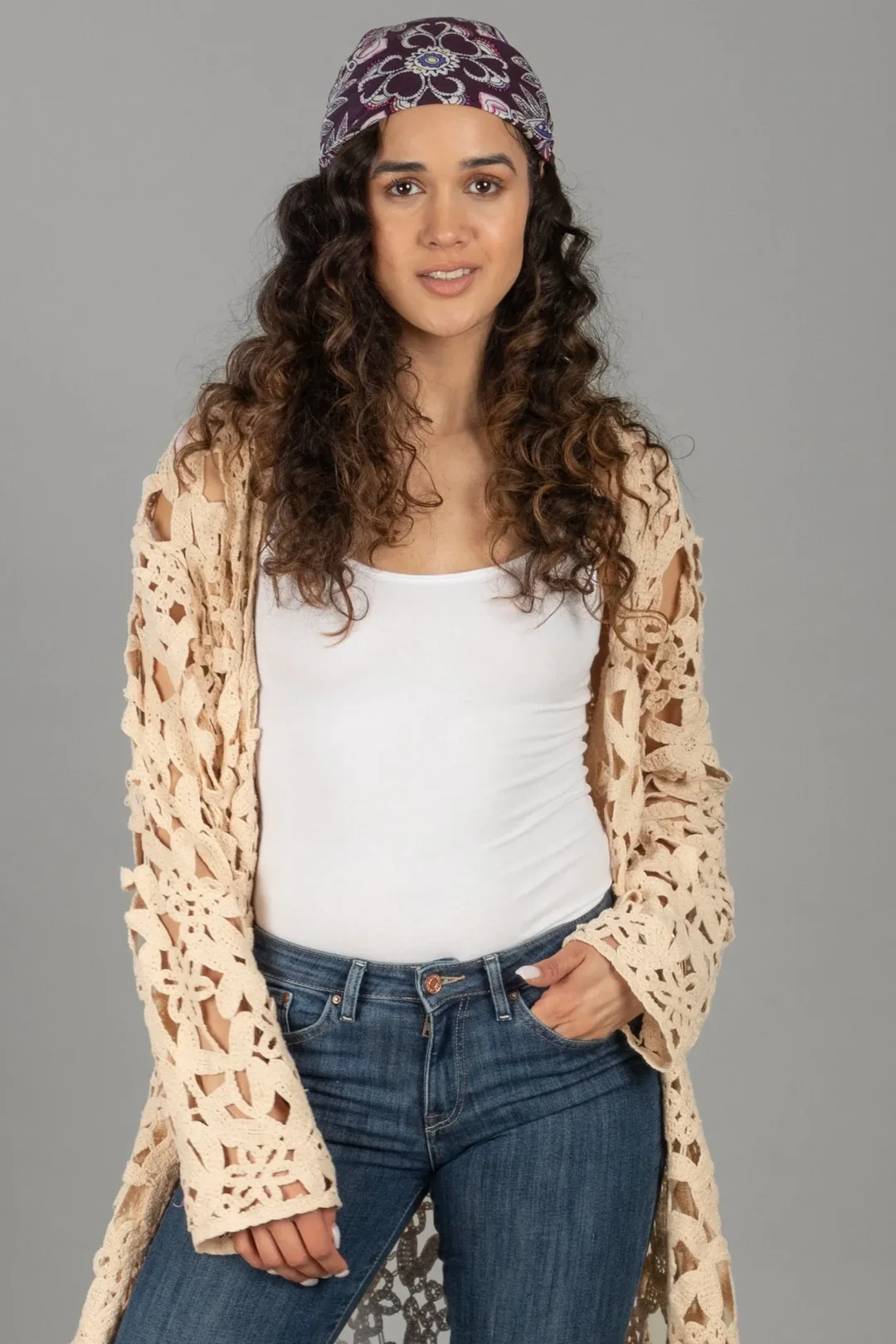
Kimono jackets can be paired with casual outfits such as jeans, skirts, or dresses. They are popular in bohemian and minimalist fashion styles because they add texture and elegance to simple outfits.
Many designers create kimono jackets with embroidered patterns, floral prints, or abstract designs to give them a unique and fashionable appearance.
Beach and Resort Kimonos
Another popular variation is the beach kimono or kimono cover-up. These are lightweight garments worn over swimwear at beaches, pools, or resorts.
Beach kimonos are usually made from breathable fabrics like chiffon, cotton, or lace. Their loose and airy structure makes them perfect for warm weather and relaxed environments.
These kimonos often feature vibrant prints, tropical patterns, and flowing silhouettes that complement summer fashion trends.
Materials Used in Kimonos
Kimonos are made from a variety of fabrics depending on their purpose and design. Traditional kimonos are often crafted from luxurious silk, while modern fashion kimonos may use lighter materials for comfort and affordability.
Common materials include:
- Silk for formal and ceremonial kimonos
- Cotton for casual and summer kimonos
- Linen for breathable warm-weather garments
- Chiffon and satin for modern fashion kimonos
- Rayon and polyester for affordable everyday styles
Each fabric contributes to the overall appearance, comfort, and functionality of the kimono.
How to Style a Kimono
One of the reasons kimonos are so popular in modern fashion is their versatility. They can easily be styled in different ways depending on the occasion.
For casual outfits, a lightweight kimono can be worn over a basic t-shirt and jeans. For beachwear, it can be layered over swimwear for a relaxed yet stylish look. In formal settings, a silk kimono-inspired jacket can add elegance to a dress or evening outfit.
The key to styling a kimono is to balance the flowing silhouette with simple clothing underneath.
Conclusion
Kimonos are timeless garments that beautifully combine tradition, culture, and modern fashion. Originating from Japan, they have evolved from traditional ceremonial clothing into versatile fashion pieces worn worldwide.
Whether it is a traditional silk kimono, a casual cotton yukata, or a modern kimono jacket, each style reflects elegance and cultural heritage. Their flowing design, artistic patterns, and adaptability make them a favorite choice for both traditional occasions and contemporary fashion.
As global fashion continues to evolve, the kimono remains a symbol of graceful design and cultural inspiration that continues to influence modern clothing trends.