Is the Cost of Living in Bulgaria Affordable for Students?
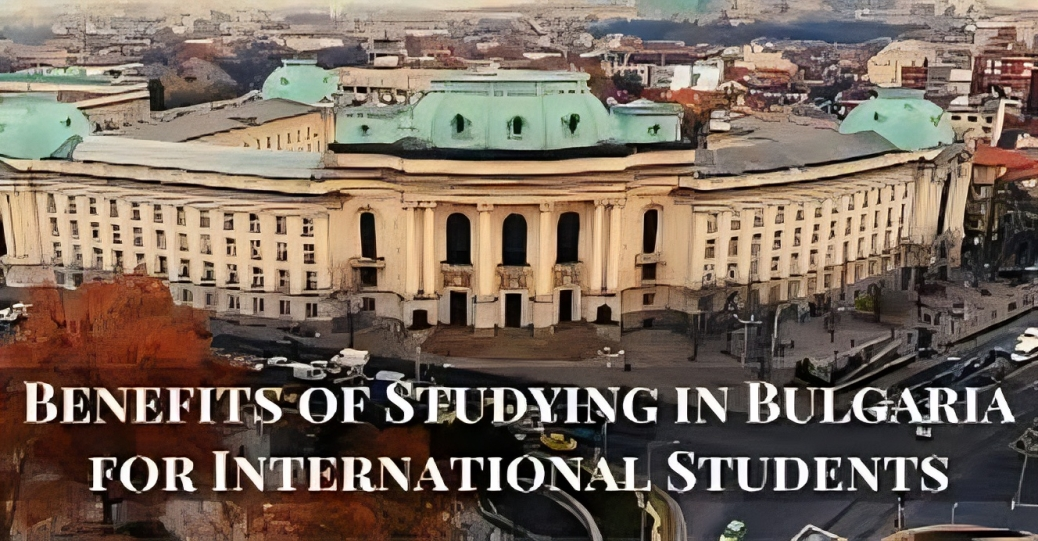
Studying abroad is an exciting opportunity, but the financial aspect is one of the most important factors students consider before making the move. Bulgaria has emerged as a popular destination for international students due to its quality education, affordable tuition fees, and rich cultural heritage. However, understanding the cost of living in Bulgaria is essential to determine whether it fits within your budget and lifestyle expectations.
The affordability of Bulgaria depends on various factors including accommodation, food, transportation, personal expenses, and optional activities. By carefully planning and understanding the lifestyle costs, students can enjoy a comfortable and fulfilling experience while studying in Bulgaria.
Work Opportunities and Financial Support
Many international students consider working part-time to support their studies. For those who plan to Work in Bulgaria, understanding local regulations and realistic income potential is crucial. Part-time jobs, internships, and on-campus work opportunities can help students cover their daily expenses and manage their budget more effectively.
Bulgaria allows students to work under certain conditions, which makes it easier to balance work and study. Universities often provide resources and guidance for students seeking employment, ensuring that their academic commitments are not compromised. Combining part-time work with careful budgeting can significantly ease financial pressure.
Tuition Fees and Academic Expenses
Tuition fees are a major component of the cost of studying in Bulgaria. Public universities in Bulgaria offer affordable fees compared to Western European countries, making it an attractive choice for international students. Depending on the university and program, annual tuition fees can vary widely, but many programs remain within a reasonable range for students with moderate budgets.
Apart from tuition, students may need to pay for academic materials, books, laboratory fees, and other study-related expenses. Planning for these costs in advance helps avoid surprises during the semester. Scholarships, grants, and university financial aid programs are also available to help offset tuition costs.
Housing and Accommodation Costs
Housing is often the largest monthly expense for students. Bulgaria offers a range of accommodation options, including university dormitories, private apartments, and shared rentals. Dormitories are usually the most affordable, providing basic facilities at a lower cost. Living in private apartments may offer more comfort and privacy but can be more expensive depending on the city and location.
Students should consider proximity to campus, access to public transportation, and neighborhood safety when choosing accommodation. Sharing an apartment with other students is a common practice and can reduce monthly expenses while also providing social opportunities.
Food and Daily Living Expenses
Food costs in Bulgaria are generally affordable, especially when compared to Western Europe. Students who cook their meals at home can manage their expenses efficiently. Supermarkets, local markets, and discount stores offer a wide variety of affordable ingredients. Eating out occasionally is possible without spending too much, particularly at local cafes and student-friendly restaurants.
Daily living expenses also include toiletries, household items, internet, and mobile services. Budgeting for these items ensures that students can maintain a comfortable lifestyle without overspending.
Transportation Costs and Accessibility
Transportation in Bulgaria is convenient and cost-effective, especially in major cities such as Sofia, Plovdiv, and Varna. Public transportation options include buses, trams, trolleys, and metro services in certain areas. Students can purchase monthly or semester-long travel passes, which offer significant savings compared to paying per ride.
Cycling and walking are also practical options for students living near their university, further reducing transportation costs. Understanding local transport networks helps students plan daily commutes efficiently and economically.
Healthcare and Insurance Considerations
Healthcare is an important factor in the cost of living for students. International students in Bulgaria are required to have health insurance, which can be obtained either through a Bulgarian provider or an international plan. Health insurance ensures access to medical care in case of illness or emergencies and prevents unexpected financial burdens.
Routine medical expenses, including doctor visits and basic medications, are generally affordable. Universities often provide guidance on obtaining health insurance and accessing healthcare services.
Entertainment and Lifestyle Expenses
While living affordably is important, students should also budget for social activities and cultural experiences. Bulgaria offers a rich history, scenic landscapes, and vibrant city life. Museums, theaters, cinemas, and music festivals provide opportunities for recreation at reasonable prices.
Traveling within Bulgaria, including visiting mountains, beaches, and historical towns, can be done on a budget. Planning leisure activities wisely ensures a balanced student life without overspending.
Part-Time Work Opportunities for Students
Many students wonder, are students allowed to work in bulgaria? The answer is yes, but there are certain regulations. International students can work part-time during the semester and full-time during official university breaks. Employment opportunities include internships, on-campus work, freelance projects, and jobs in hospitality, retail, and service industries.
Balancing part-time work with studies helps students manage expenses such as accommodation, food, transportation, and personal items. Universities and student networks often provide guidance and support to help students find suitable jobs that do not interfere with academic performance.
Managing Monthly Budgets Effectively
A key aspect of affordability is effective budget management. Students should track monthly income and expenses, prioritize essential costs, and avoid unnecessary spending. Creating a budget plan allows students to live comfortably while saving for emergencies, leisure, and travel.
Combining careful budgeting with part-time work ensures that students can focus on academics while maintaining financial stability. Understanding the average costs of living in different cities also helps students choose accommodations and lifestyle options that align with their budgets.
Cities in Bulgaria and Cost Variations
The cost of living varies depending on the city. Sofia, the capital, is generally more expensive than smaller cities like Plovdiv, Varna, or Veliko Tarnovo. Housing, transportation, and food costs are higher in larger cities, but so are employment opportunities and cultural experiences.
Smaller cities offer a more affordable lifestyle, with lower rent and living expenses. Students can choose cities that balance cost, accessibility, and academic opportunities according to their preferences and financial situation.
Scholarships and Financial Support Programs
Bulgaria offers various scholarships and financial aid programs for international students. Merit-based scholarships, government grants, and university-specific funding help reduce tuition fees and living costs. Some scholarships also provide stipends for accommodation and other daily expenses, further improving affordability.
Applying for financial aid early and exploring available options ensures that students maximize support and reduce financial stress during their studies.
Long-Term Affordability and Career Planning
Affordability is not only about immediate living costs but also long-term financial planning. Students who budget effectively, seek part-time work opportunities, and manage expenses carefully can maintain financial stability throughout their studies.
Planning for future career opportunities, internships, and professional networking also contributes to financial security. Living within a budget while studying in Bulgaria prepares students for independent living and responsible financial management after graduation.
Final Thoughts
The cost of living in Bulgaria is generally affordable for students, particularly when compared to Western European countries. With careful planning, part-time work, and effective budgeting, students can enjoy a comfortable lifestyle while focusing on their education.Understanding the expenses related to tuition, accommodation, food, transportation, and healthcare ensures that students can live within their means. For those who wish to Work in Bulgaria, part-time opportunities provide additional financial support, and knowing are students allowed to work in bulgaria helps them navigate local regulations legally.Overall, Bulgaria offers a balance of quality education, cultural experiences, and financial feasibility, making it an excellent choice for international students seeking an affordable yet fulfilling study abroad experience.