Is Shortness of Breath After Eating Normal? Find Out Why It Happens
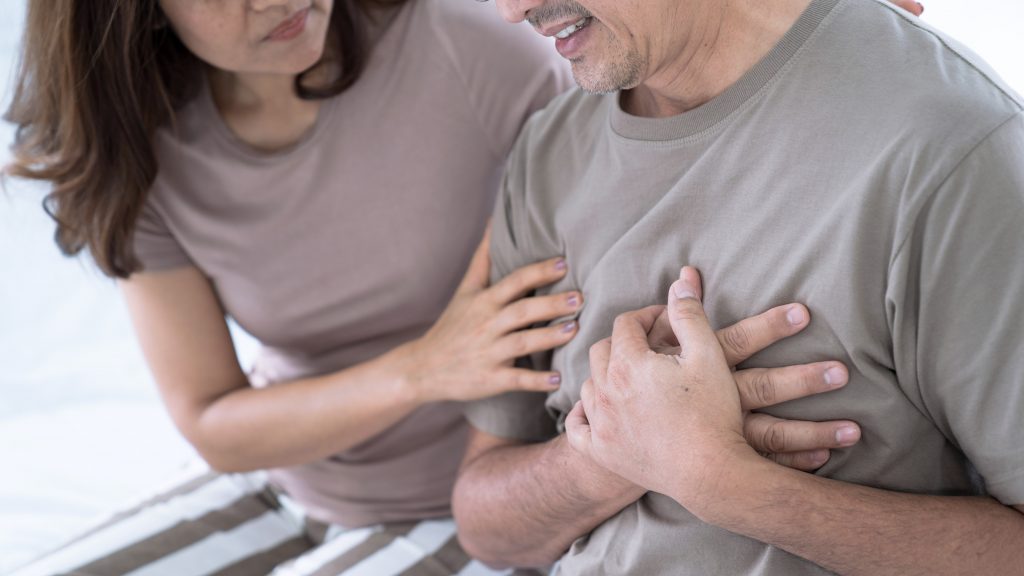
Shortness of breath after food is a common concern for many individuals. It is a sensation where the person feels like they are unable to catch their breath after eating a meal. While it might seem alarming, it is often a symptom that can be traced back to a variety of reasons, some of which are benign, while others could point to underlying health conditions. In this article, we will explore why this happens, whether it is normal, and when it is necessary to seek medical attention.
Understanding Shortness of Breath After Eating
Experiencing shortness of breath after eating can be unsettling. It may feel as though the chest is tight, or that breathing becomes more difficult than usual. This condition can occur for several reasons, and it is essential to identify the root cause to determine whether medical intervention is needed.
The Digestive Process and Breathing
The digestive process requires the body to divert a significant amount of blood flow to the stomach and intestines. As food is broken down, the stomach expands, which can put pressure on the diaphragm, the muscle that helps control breathing. This pressure can cause a feeling of breathlessness. Additionally, large meals can exacerbate this sensation, as they require more energy to digest.
While this feeling of breathlessness can be distressing, it is often temporary and may be alleviated with gentle movements, such as standing up and walking around. However, when this sensation persists or is accompanied by other symptoms, it may indicate a more significant health issue.
Common Causes of Shortness of Breath After Eating
There are several factors that could contribute to shortness of breath after meals. Some are relatively harmless, while others require attention. Here are some of the most common causes:
1. Overeating
Overeating is one of the most common causes of shortness of breath after eating. Consuming large portions of food puts an excessive amount of pressure on the stomach and diaphragm. This can lead to discomfort and difficulty breathing. Eating too quickly can also contribute to this, as it doesn’t give the body enough time to properly signal fullness.
2. Gastroesophageal Reflux Disease (GERD)
Gastroesophageal reflux disease (GERD) is another condition that can cause shortness of breath after eating. GERD occurs when stomach acid backs up into the esophagus, leading to a variety of symptoms such as heartburn, chest pain, and shortness of breath. The acid can irritate the airways, causing a sensation of tightness or shortness of breath. GERD is more likely to occur after large meals, spicy foods, or lying down immediately after eating.
3. Food Allergies
In some cases, shortness of breath after eating can be a sign of a food allergy. Common food allergens such as nuts, shellfish, dairy, and wheat can trigger allergic reactions in some individuals. These reactions can range from mild symptoms like swelling and itching to more severe symptoms, including difficulty breathing. If you suspect a food allergy is causing the shortness of breath, it is essential to consult with an allergist to determine the specific trigger.
4. Obesity
Obesity can contribute to shortness of breath after eating because excess weight can restrict the movement of the diaphragm and lungs. This restriction makes it more difficult for the body to take deep breaths, especially after a meal. The body has to work harder to process food, leading to a feeling of breathlessness. Individuals with obesity may also experience other related issues such as sleep apnea, which can worsen the sensation of shortness of breath.
5. Heart Conditions
Although less common, heart conditions can cause shortness of breath after eating. When the heart is unable to pump blood effectively, fluid may build up in the lungs, making it harder to breathe. This condition is known as congestive heart failure, and it can worsen after meals due to increased blood flow to the digestive system. If you experience shortness of breath, chest pain, or fatigue after eating, it is important to seek medical attention immediately.
How to Prevent Shortness of Breath After Eating
If shortness of breath after eating is a recurring issue, there are several preventive measures you can take to reduce its occurrence. These strategies can help alleviate discomfort and improve your overall health and wellness.
1. Eat Smaller, More Frequent Meals
One of the simplest ways to reduce the likelihood of shortness of breath after eating is to eat smaller meals throughout the day instead of large, heavy meals. Eating smaller portions allows the body to digest food more efficiently and reduces pressure on the diaphragm. It can also help prevent indigestion and acid reflux, both of which can contribute to shortness of breath.
2. Avoid Lying Down Immediately After Eating
Lying down right after eating can increase the risk of acid reflux and shortness of breath. After eating, try to stay upright for at least 30 minutes to allow the digestive process to take place without putting pressure on your diaphragm. If you need to rest after a meal, consider sitting or propping yourself up with pillows.
3. Manage Your Weight
Maintaining a healthy weight can have a significant impact on your overall health and wellness. Being overweight or obese puts extra strain on the body, particularly the diaphragm and lungs. Regular physical activity, such as walking, swimming, or cycling, can help maintain a healthy weight and improve lung function, making it easier to breathe after meals.
4. Address Underlying Conditions
If you have a chronic condition such as GERD, food allergies, or heart disease, it is crucial to manage these conditions effectively. Take prescribed medications as directed by your healthcare provider, and follow any lifestyle recommendations to reduce symptoms. Treating the underlying condition can significantly reduce the frequency of shortness of breath after eating.
5. Avoid Trigger Foods
If you suspect that certain foods are causing your shortness of breath, consider eliminating them from your diet. Foods like spicy dishes, fatty meals, or allergens like dairy and nuts may be contributing to your symptoms. Keeping a food diary can help you track what you eat and identify any triggers.
When to Seek Medical Attention
While shortness of breath after eating is often a temporary issue, there are times when it may require medical attention. If you experience any of the following symptoms, it is important to consult with a healthcare professional:
- Shortness of breath that does not improve after a few minutes.
- Chest pain or tightness.
- Dizziness or lightheadedness.
- Swelling of the face, lips, or throat.
- Wheezing or coughing.
These symptoms may indicate a more serious condition, such as a heart problem, severe allergic reaction, or respiratory issue, and require immediate evaluation by a doctor.
Conclusion
Shortness of breath after food can be caused by various factors, including overeating, GERD, food allergies, obesity, and heart conditions. While it is often a temporary and manageable issue, it is important to recognize when the symptoms may indicate a more serious problem. By maintaining a healthy lifestyle, eating smaller meals, and addressing underlying health conditions, you can significantly reduce the likelihood of experiencing breathlessness after meals. If the sensation persists or worsens, be sure to consult with your healthcare provider for a thorough evaluation.