
Is Labubu a Rabbit? Unmasking the Creature Behind the Cuteness
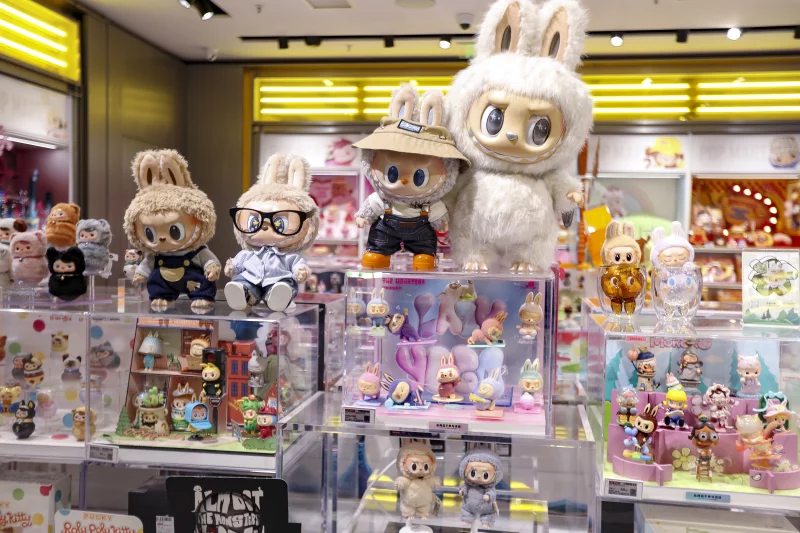
In the ever-evolving world of designer toys and collectible art figures, few characters have captured hearts quite like Labubu. With wide, sparkling eyes, mischievous expressions, and long pointed ears, Labubu has sparked a surprisingly common debate among fans and curious newcomers alike: Is Labubu a rabbit? At first glance, the question seems simple. Long ears? Check. Cute and cuddly vibe? Check. But as we take a deeper look into the character’s origins, artistic inspiration, and design details, the answer becomes more layered—and far more interesting—than a simple yes or no.
This article explores the identity of Labubu, its artistic roots, and why the “rabbit” label both fits and doesn’t fit at the same time.
Who Is Labubu? Understanding the Character’s Origins
Labubu is a beloved character created by Hong Kong–based artist Kasing Lung. Known for his whimsical yet slightly dark storytelling style, Kasing Lung introduced Labubu as part of his imaginative universe filled with curious creatures and storybook-inspired personalities. Labubu is not just a toy; she is a character embedded in a broader fantasy narrative that blends innocence with mystery.
The character gained massive popularity through collaborations with the designer toy company Pop Mart, which helped transform Labubu from a niche illustrated figure into a globally recognized collectible icon. Through limited-edition drops, themed series, and blind box collections, Labubu has appeared in countless outfits and concepts—from fairy tale costumes to seasonal themes—each adding new layers to her personality.
But nowhere in her official backstory is Labubu explicitly defined as a rabbit.
The Physical Features: Why People Think Labubu Is a Rabbit
The rabbit theory is not random. It stems from visual cues that are hard to ignore.
Long, Upright Ears
The most obvious rabbit-like trait Labubu possesses is her long, pointed ears. Rabbits are widely recognized for their elongated ears, and in visual storytelling, this feature is almost universally associated with bunny characters. When a character has tall ears extending above the head, our brains instinctively categorize it as rabbit-like.
Labubu’s ears are prominent and expressive. In many designs, they tilt slightly, adding to her playful and curious personality. This resemblance fuels the assumption that she must be a rabbit.
Petite Body and Soft Aesthetic
Labubu is typically depicted with a small body, round face, and large eyes—traits often used in cute rabbit characters in animation and illustration. Her soft color palettes in certain series (pastels, creams, and pinks) further reinforce this association.
However, physical similarity alone does not confirm species identity. Many fantasy creatures borrow traits from familiar animals without being defined as one.
The Artist’s Vision: A Fantasy Creature, Not a Specific Animal
To truly answer whether Labubu is a rabbit, we need to consider the creative intent of her creator. Kasing Lung’s artistic universe is known for blending fairy tale elements with surreal imagination. Labubu is part of a fictional world populated by whimsical beings that do not necessarily correspond to real-world animals.
Unlike classic rabbit characters such as Bugs Bunny or Peter Rabbit, Labubu does not behave like a rabbit, nor is she described as one in official narratives. She does not hop, munch on carrots, or live in burrows. Instead, she exists as a mischievous forest-dwelling creature with a personality that ranges from sweet to slightly devilish.
In interviews and promotional materials, Labubu is typically referred to as a “monster” or a fantasy character rather than a bunny. This distinction is important. In the designer toy world, “monster” often implies a cute, imaginative being that doesn’t conform to real animal classifications.
The Role of Ambiguity in Designer Toys
One reason the rabbit debate persists is because ambiguity is part of Labubu’s charm. Designer toy culture thrives on imagination and open interpretation. When a character is not rigidly defined, fans are free to project their own ideas onto it.
Pop Mart, the company responsible for distributing Labubu figures worldwide, is known for embracing this playful ambiguity. Rather than labeling Labubu strictly as a rabbit, they allow the character’s evolving themes and costumes to reshape how audiences perceive her.
In some series, Labubu may appear more animal-like. In others, she looks entirely fantastical—wearing elaborate costumes, fantasy wings, or even gothic attire. This flexibility reinforces the idea that Labubu is a character first and a species second.
Comparing Labubu to Traditional Rabbit Characters
To better understand the distinction, let’s briefly compare Labubu with iconic rabbit figures in popular culture.
Traditional rabbit characters usually share these features:
- Clear identification as rabbits
- Animal-based behavior (hopping, carrot-eating)
- Explicit backstories tied to rabbit traits
For example, Bugs Bunny is unmistakably a rabbit, both visually and narratively. Peter Rabbit is literally named after his species and behaves accordingly.
Labubu, by contrast:
- Is not officially described as a rabbit
- Does not display rabbit-specific behavior
- Exists within a fantasy narrative rather than a realistic animal framework
While she shares visual similarities—particularly the ears—the lack of species confirmation suggests she is better categorized as a fantasy creature inspired by rabbit aesthetics.
Why the Question Matters to Collectors
You might wonder why the rabbit question even matters. For collectors, identity plays a big role in how they connect with characters. Some fans are drawn to Labubu precisely because they see her as a bunny-like figure. Others appreciate her as a mysterious forest sprite or monster.
In the collectible toy market, character lore enhances emotional attachment. When buyers purchase limited-edition Labubu figures, they’re not just buying vinyl—they’re investing in a story and personality. Understanding whether Labubu is a rabbit can shape how fans interpret her personality traits.
Is she timid and gentle like a rabbit? Or mischievous and unpredictable like a magical creature? The answer varies depending on perspective.
The Influence of Japanese and Asian Pop Aesthetics
Labubu’s design also reflects broader trends in Asian pop culture, where hybrid creatures are common. Characters often blend human, animal, and fantasy elements seamlessly. The goal isn’t biological accuracy—it’s emotional impact.
Many successful characters in this space are intentionally species-ambiguous. They borrow recognizable features (like rabbit ears) to create instant familiarity while maintaining a unique identity. Labubu fits perfectly into this design philosophy.
Her slightly sharp teeth, mischievous grin, and expressive eyes add a layer of personality that goes beyond the gentle image typically associated with rabbits. These subtle details push her identity toward fantasy rather than zoology.
So, Is Labubu a Rabbit?
After examining the visual cues, artistic background, and cultural context, the most accurate answer is:
No, Labubu is not officially a rabbit.
However, she is undeniably inspired by rabbit-like features.
Labubu is best described as a fantasy creature or “monster” character with long ears that resemble those of a bunny. The resemblance is intentional, but it does not define her species. Instead, it contributes to her charm and recognizability.
This nuanced answer explains why confusion persists. Labubu lives in the gray area between animal and imagination—and that’s exactly where her magic lies.
The Beauty of Not Knowing
Part of Labubu’s enduring appeal is that she resists strict definition. In a world where characters are often neatly categorized, Labubu remains fluid and open-ended. She can be a rabbit in your imagination, a forest elf in someone else’s, or a tiny mischievous monster in another’s.
This flexibility invites creativity from fans and collectors. It allows Labubu to evolve with each new design series and storytelling chapter. Rather than limiting her identity, ambiguity expands it.
And perhaps that’s the real answer to the question.
Labubu doesn’t need to be a rabbit to feel familiar. She doesn’t need official classification to be lovable. Her long ears may echo the silhouette of a bunny, but her spirit belongs entirely to the imaginative universe crafted by Kasing Lung and brought to life through Pop Mart.