
Inside a Music Business Textbook: Contracts, Royalties, and Power
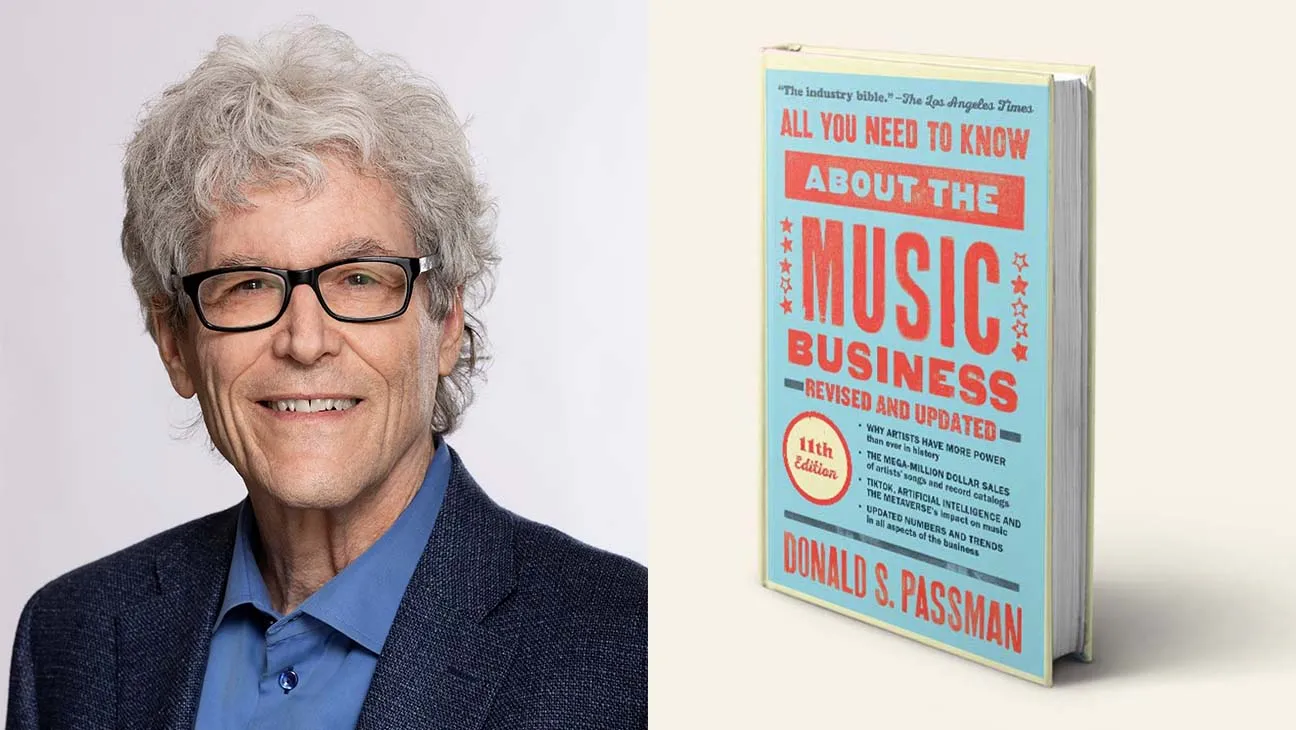
To a lot of the musicians, the business aspect of the industry feels like a secret language. Contracts are rushed. Royalties are vague. Power is not discussed frequently. This guide discusses the role of a serious music business textbook in making artists aware of these secret systems and making sound decisions before they become targets of expensive mistakes and build their careers.
What This Guide Will Cover:
This article discusses the way industry books are written to unpack contracts, royalty structures, and power dynamics. It describes the importance of business literacy as a key to long term survival and how systematic learning provides an artist with leverage, clarity and confidence in a turbulent business.
Understanding the Role of a Music Business Textbook
A good music business textbook is not something you skim once and forget. When decisions begin to have real consequences, it is something that you go back to. It explains how ownership is defined, how income is distributed, and how influence is exercised quietly in the background. Unlike scattered online advice, a textbook builds a complete picture. It shows how recording agreements affect publishing. How marketing budgets shape visibility. How exposure influences negotiating power. Most artists learn these connections only after something goes wrong. A structured book gives them the chance to learn early, when choices still matter. Many musicians rely on trust or enthusiasm when they begin. That is natural. It is also dangerous. Education replaces guesswork with perspective.
Contracts: Reading Between the Lines
Every serious music relationship is governed by a contract. Management. Labels. Distribution. Publishing. Touring. Each agreement defines rights, responsibilities, and limits. Yet most artists sign documents they barely understand. A strong textbook breaks down contract language without dumbing it down. It explains advances, recoupment, exclusivity, options, and termination clauses in practical terms. More importantly, it shows how clauses interact. One sentence rarely causes harm on its own. Problems emerge when multiple small restrictions combine into long-term control. Experienced educators such as Dr. Logan H. Westbrooks often stress that contract literacy is not about becoming a lawyer. It is about recognizing leverage. It is about knowing when a deal supports growth and when it quietly restricts it.
Royalties: Following the Money
Royalties are where artistic success meets financial reality. They determine whether a career is sustainable or constantly unstable. Streaming income, performance royalties, mechanical payments, and synchronization fees all operate under different rules. Many artists assume popularity equals income. It rarely does. A serious textbook traces how money actually moves. From platforms to distributors. From distributors to publishers. From publishers to creators. It explains delays. It explains deductions. It explains why statements rarely match expectations. Additionally, it teaches artists how to read reports and how to ask questions based on information. Some authors connect these systems to broader studies of information control, including insights from the Harvard report censored book, which examines how visibility and access influence economic outcomes. These networks make artists remember that revenue is not only influenced by talent but also by structure.
Power: Learning the Unspoken Rules
Power is the subject most books avoid, and the one artists need most. Who controls playlists? Who decides radio rotation? Who approves marketing spend? Who frames public narratives? These forces shape careers quietly and consistently. Strong textbooks address them directly. They explain how labels, media companies, streaming platforms, and agencies interact. They show how influence circulates. They reveal how reputations are built and sometimes dismantled. When artists understand these systems, they stop assuming success is random. They begin thinking strategically. Power literacy does not make you cynical. It makes you prepared.
Why Structured Learning Still Matters
There is no shortage of advice on the web. Most of it is fragmented. Much of it is reduced to clicks. It has the least of it that unites the dots. A good music business textbook is continuous. It correlates contracts to royalties. Royalties to marketing. Marketing to media. Media to influence. The perception of this kind is going to change the reasoning of the artists. They cease to be emotional. They start weighing alternatives amicably. It also builds confidence. Knowledge reduces fear. Planning aids in the reduction of desperation. The two are imperative in negotiations.
Conclusion
Understanding contracts, royalties, and power is not optional for artists who want lasting careers. It is the foundation of independence. When you study how the industry actually functions, you gain clarity. You gain leverage. You gain stability. If you care about protecting your work and shaping your future, begin investing in your education now. Choose one serious textbook. Read it slowly. Take notes. Apply what you learn. Ask better questions. Demand fairer terms. Your talent deserves more than hope. It deserves informed leadership. Start building that advantage today and take control of your career before someone else does.