

Importance of Buoys in Port and Offshore Operations
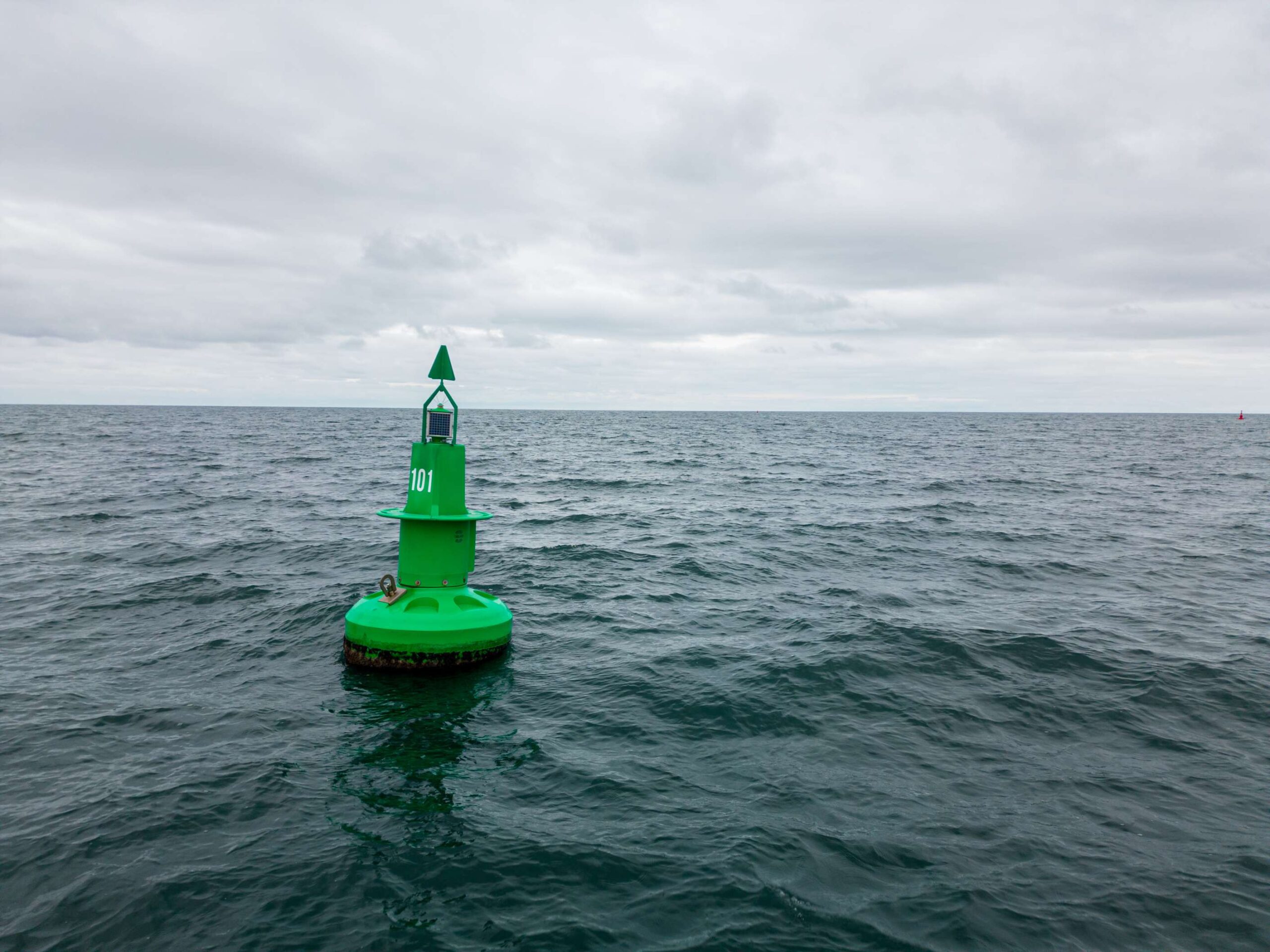
A modern seaport is a marvel of logistics. Giant container ships, tankers, and bulk carriers maneuver through narrow channels with only feet of clearance beneath their keels. Meanwhile, miles offshore, complex energy infrastructure—from oil platforms to wind farms—operates in the harsh open ocean. In both environments, safety and efficiency are paramount. The unsung heroes making these operations possible are buoys.
These floating aids are far more than simple traffic cones on the water. They are critical infrastructure assets. The purpose of buoys in these high-stakes environments is multifaceted: they guide massive vessels, mark deadly hazards, secure ships in place, and protect valuable subsea assets. Without them, the global supply chain would grind to a halt, and offshore operations would become prohibitively dangerous.
This article explores the vital role buoys play in port and offshore sectors, examining how specific types of buoy ensure that commerce flows smoothly and safely.
The Critical Role of Buoys in Ports
Ports are the gateways of global trade, but they are often naturally treacherous. They may be located in river mouths with shifting sandbars or rocky harbors with narrow entries. To handle the ever-increasing size of modern vessels, ports rely on dredged channels that must be marked with extreme precision.
Precision Navigation in Restricted Waters
The primary purpose of buoys in a port is to define the “road.” For a ship captain or harbor pilot, the margin for error is razor-thin. Navigational buoys outline the exact limits of the dredged channel. Straying outside these lines by even a few meters could result in a grounding, blocking the port and causing millions of dollars in economic loss.
Managing High-Density Traffic
Ports are congested intersections. Tugs, ferries, fishing boats, and cargo ships all vie for space. Buoy systems help organize this chaos. They establish traffic separation schemes within the harbor approaches, keeping inbound and outbound vessels in their respective lanes. This visual guidance complements radar and electronic charts, providing an essential “reality check” for mariners looking out the bridge window.
Supporting Offshore Operations
Move away from the coast, and the challenges change. The offshore sector—including oil and gas extraction and renewable energy—operates in deep, open waters. Here, buoys serve different but equally critical functions.
Establishing Exclusion Zones
Offshore platforms and wind turbines are vulnerable assets. A collision with a drifting or errant vessel could cause an environmental disaster. Special-purpose buoys are deployed to mark safety zones around these structures. They create a visual and radar perimeter, warning unauthorized vessels to keep a safe distance.
Facilitating Cargo Transfer
In the oil and gas industry, supertankers often cannot enter shallow ports. Instead, they load or discharge cargo miles offshore. Large mooring buoys, known as Single Point Moorings (SPMs), allow these massive ships to tie up in deep water. The buoy serves as both a mooring point and a conduit for fluids, connecting the ship to subsea pipelines.
Key Types of Buoy in Operational Environments
Different operational challenges require specific tools. The maritime industry utilizes various types of buoy, each designed to fulfill a distinct function within the IALA (International Association of Marine Aids to Navigation and Lighthouse Authorities) system.
Lateral Markers
These are the most ubiquitous buoys in port approaches. They define the port (left) and starboard (right) limits of a channel.
- Function: They tell the pilot exactly where the deep water is.
- Appearance: Red and green cans or cones (depending on the IALA region). Their precise placement allows ports to maximize the width of the usable channel, allowing larger ships to enter.
Mooring Buoys
Unlike navigational aids, these buoys are designed to hold a ship in place.
- Function: They provide a secure point for vessels to tie up without dropping anchor. This is crucial in ports where the seabed is cluttered with cables or pipelines, or in offshore loading zones.
- Appearance: typically substantial, robust structures, often white with a blue horizontal band.
Special-Purpose Buoys
These yellow buoys are the “catch-all” for information that doesn’t fit other categories. In operational contexts, they are incredibly versatile.
- Function: They mark spoil grounds (where dredged material is dumped), military exercise zones, underwater cables, or the perimeter of offshore wind farms.
- Significance: They alert mariners to specific local conditions that could pose a danger to their vessel or to infrastructure.
Safe Water Markers
Recognizable by their red and white vertical stripes, these buoys indicate that there is navigable water all around them.
- Function: They often mark the “landfall” point or the entrance to a shipping channel. For a ship arriving from the open sea, sighting the safe water buoy is the confirmation that they have lined up correctly for their approach to the port.
Efficiency and Asset Protection
The purpose of buoys extends beyond immediate safety; they are direct contributors to operational efficiency and asset protection.
Reducing Turnaround Times
Time is money in shipping. Efficient navigation means ships spend less time waiting and more time moving cargo. A well-marked channel allows operations to continue even in poor visibility or at night. By giving pilots the confidence to navigate safely in various conditions, buoys help maintain the tight schedules required by modern logistics.
Protecting Subsea Infrastructure
The seabed near ports and offshore fields is a spaghetti bowl of pipelines, power cables, and communication lines. Dropping an anchor on one of these can sever power to an entire region or cause an oil spill. Buoys mark these critical subsea assets, warning ships where not to anchor. This simple preventative measure saves billions in potential repair costs and environmental cleanup.
Enhancing Safety Culture
The presence of a well-maintained buoyage system signals a commitment to safety. It reduces the cognitive load on ship crews. When the visual cues from the buoys match the electronic data on the screens, decision-making is faster and more accurate. This redundancy is vital for preventing accidents caused by human error or equipment failure.
Conclusion
In the complex world of maritime operations, buoys are the constant. Whether guiding a container ship into a bustling terminal or securing a tanker at a remote offshore loading station, these floating structures are indispensable.
Understanding the different types of buoy highlights just how specialized maritime infrastructure has become. From lateral markers ensuring ships stay afloat to special-purpose buoys protecting wind farms, each has a specific role in the intricate dance of global trade. As ships get larger and offshore energy projects move into deeper waters, the purpose of buoys will only become more critical. They remain the silent sentinels, ensuring that the vital work of our ports and offshore industries continues safely and efficiently, day and night.